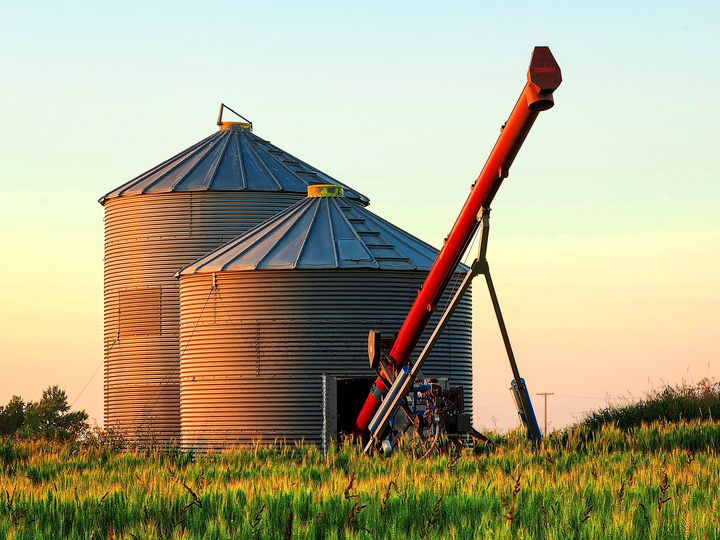
Managing High Fertilizer Costs: Use Soil Tests to Avoid Unnecessary Potassium Applications
Could you be spending money on potassium your corn doesn't need? Nebraska Extension recommendations show where soil-test results can help growers cut unnecessary fertilizer costs without sacrificing yield potential.
Previously Featured

Late Season Rainfall Raises Corn Grain Quality Concerns at Harvest
Published: October 14, 2026

Combine Adjustments for Lodged Corn
Published: October 9, 2026

Managing High Fertilizer Costs: Making Every Pound of Nitrogen Count
Published: October 1, 2026
Recent Articles
Impacts of Wet Weather on Corn Grain and Residue
October 23, 2026Tar Spot Expands Its Reach Across Southwest Nebraska in 2026
October 23, 2026Weather Update: Rain Chances Return
October 22, 2026Is the USDA's October Corn Forecast Wrong?
October 22, 2026Latest News & Events


Resources for Producers
Wildfire Resources
Resources for farmers and ranchers on wildfire recovery for cropland and pasture/rangeland.

Drought Resources
Extension recommendations on planting, nutrient management and crop damage during drought, assistance programs for drought recovery, and more.

Staying Connected During Tough Times
Programs available to Nebraska farmers, ranchers and their families when they need a helping hand.

Crop Reports
Nebraska Extension and USDA NASS crop production reports.

Market Journal
Timely stories for crop and livestock producers on markets, risk management, ag policies and more.
Nebraska Extension Almanac
Extension's long-running interview series featuring info and advice on the farm, ranch and home.
Herbicide Classification Chart
An easy-to-use guide for growers to reference when selecting herbicides based on their site of action.
Grain Storage
Check out our selection of extension articles in the Grain Storage section for help with estimating bushels/tonnage in a bin, grain drying and more.