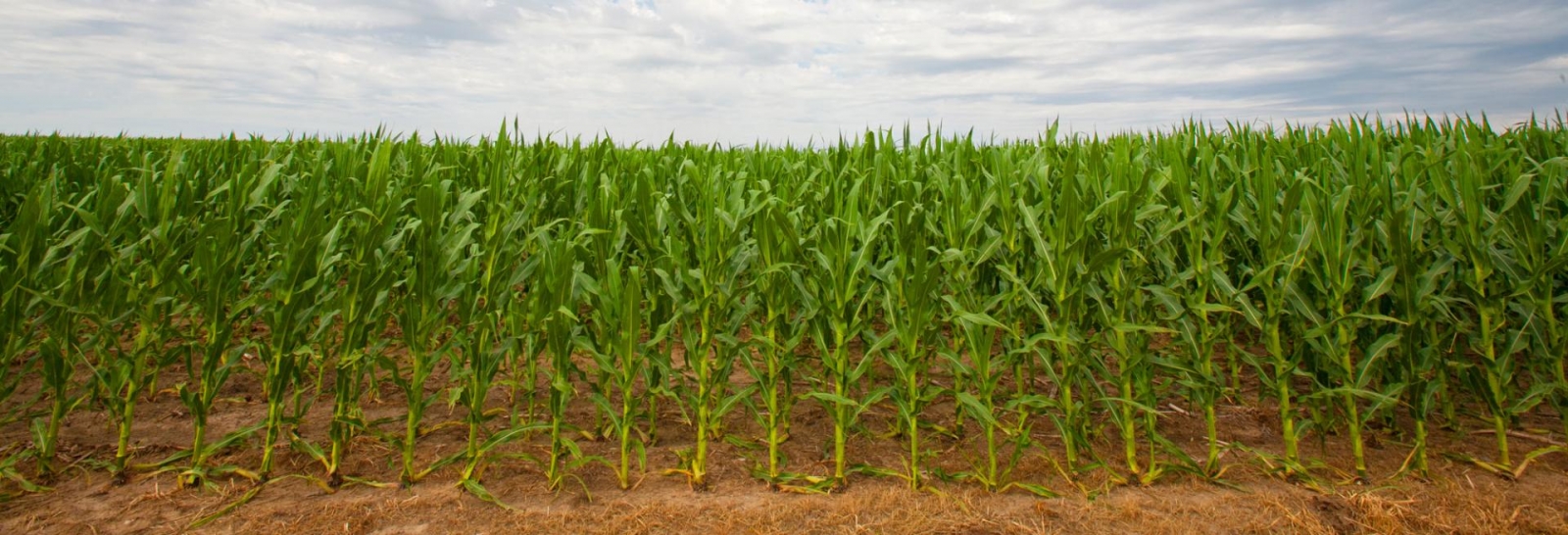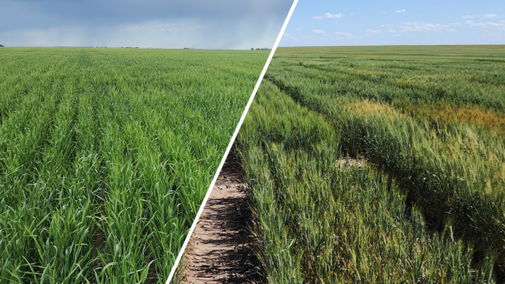
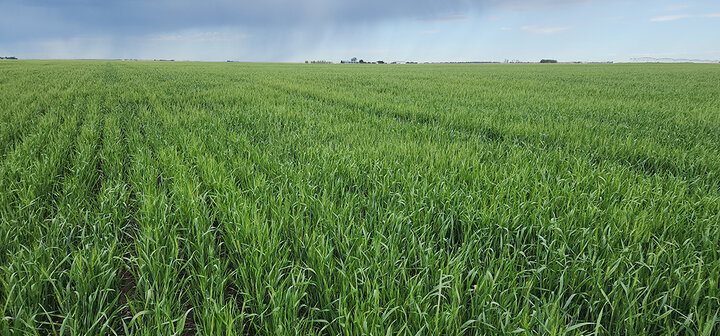
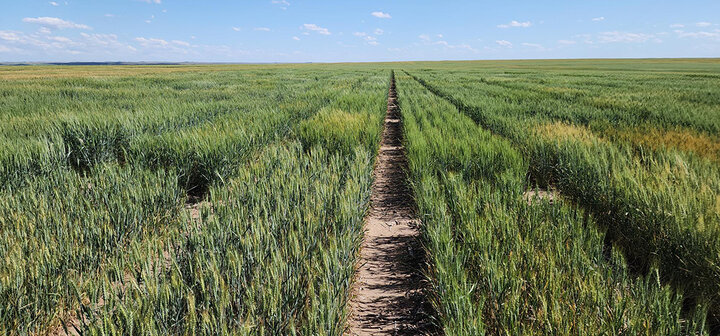
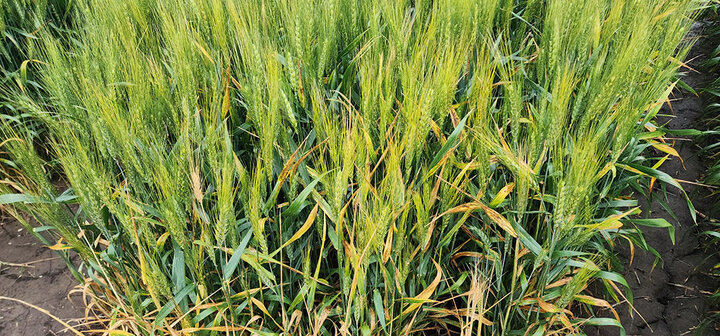
Wheat disease surveys were conducted May 27 to June 4 in the southeast, south-central, southwest, and Panhandle of Nebraska. The wheat crop condition ranged from excellent in irrigated fields (Figure 1) to average or poor in most dryland fields (Figure 2). Growth stages ranged from early flowering in the northern Panhandle to hard dough in the southeast.
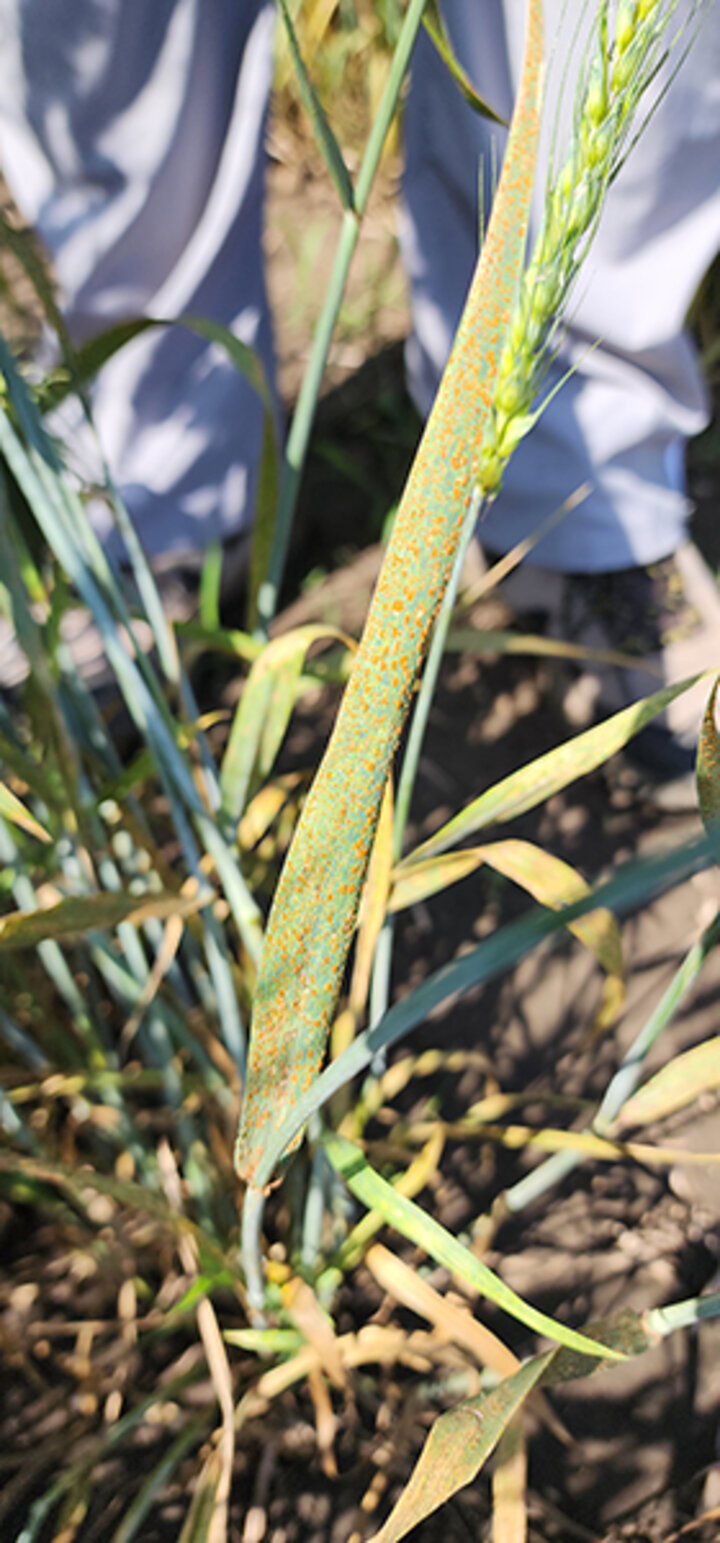
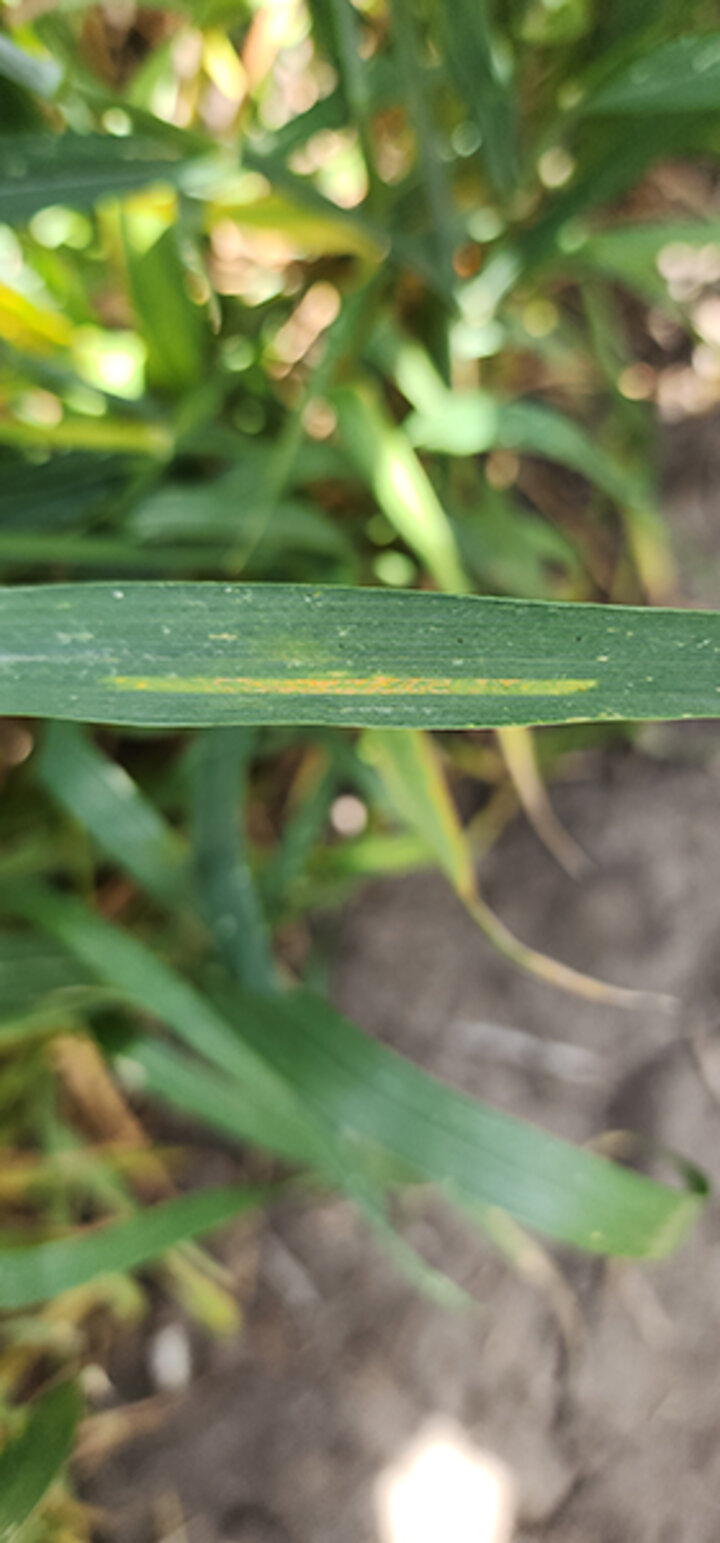
The predominant disease observed was leaf rust, which has developed rapidly in the southeast during the last two weeks — from trace on May 21 to very severe as of June 4 (Figure 3). Leaf rust was observed as far west as Furnas County. Stripe rust (Figure 4) was also observed, but at much lower levels of incidence and severity compared to leaf rust.
Barley yellow dwarf (Figure 5) was observed in most of the fields surveyed in the southeast and south-central. Incidence and severity varied from low to high in isolated areas of some fields, with fields in the southeast exhibiting higher levels of incidence and severity.
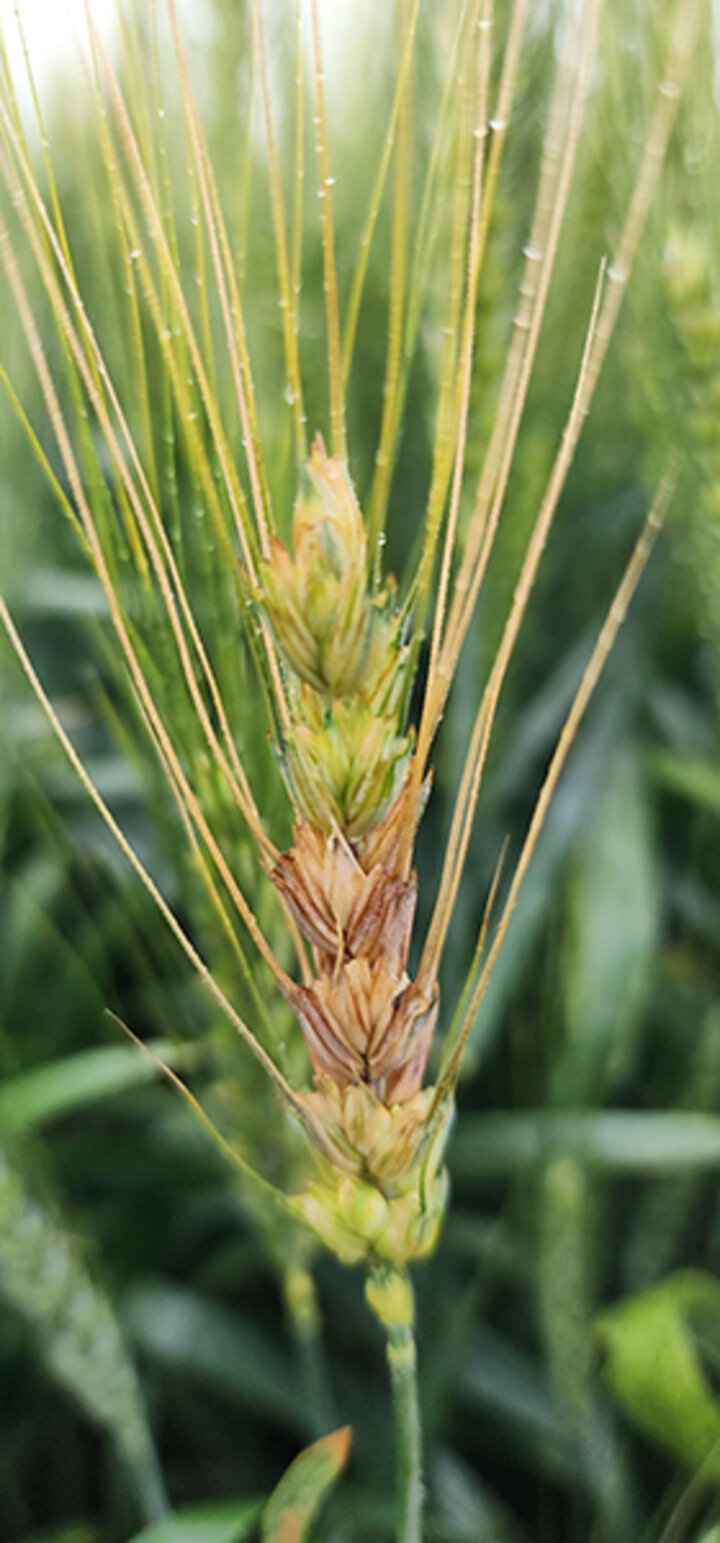
At a state variety trial in Clay County, bacterial streak (Figure 6) was the predominant disease. Fusarium head blight (Figure 7) was observed at trace levels in research plots at Havelock Research Farm (Lancaster County) and at the Eastern Nebraska Research, Extension and Education Center (ENREEC, Saunders County).
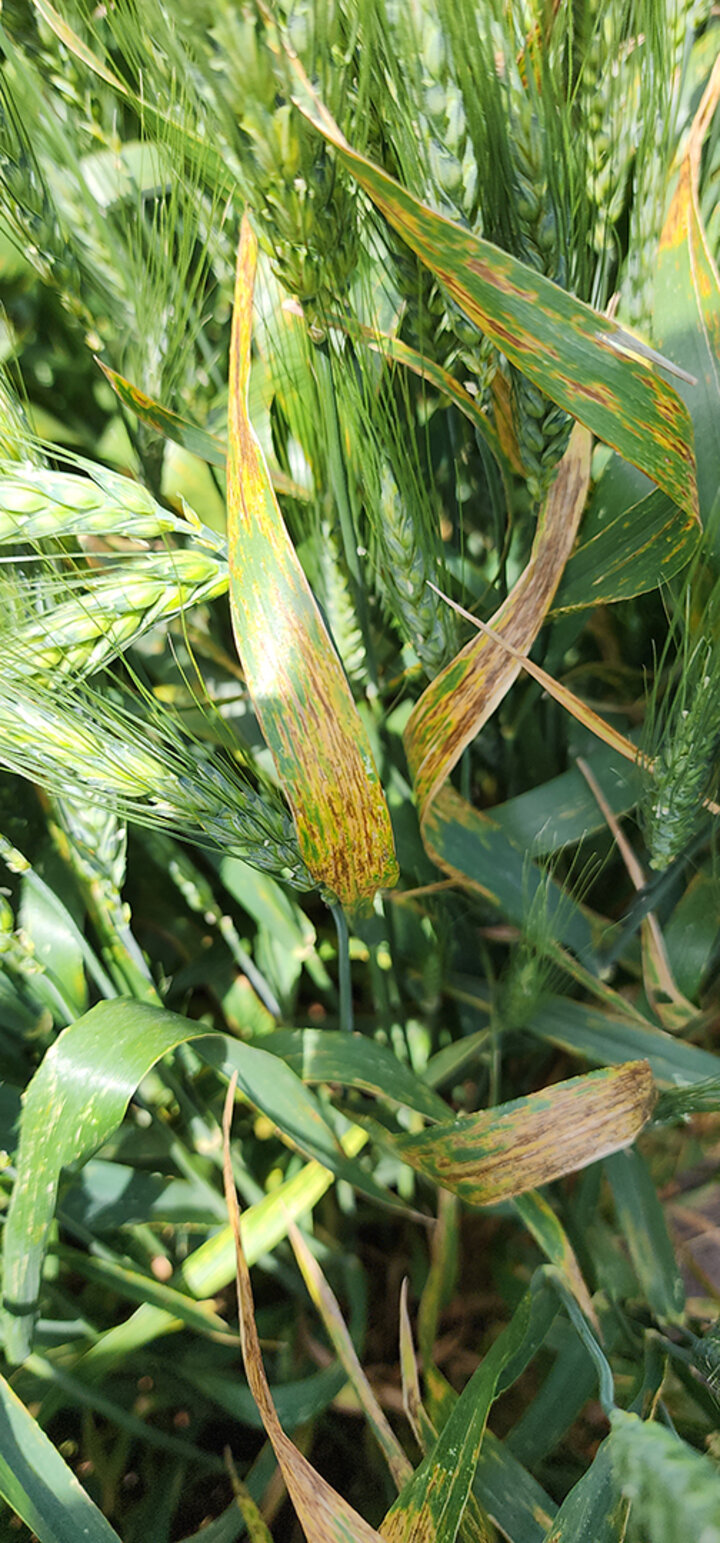
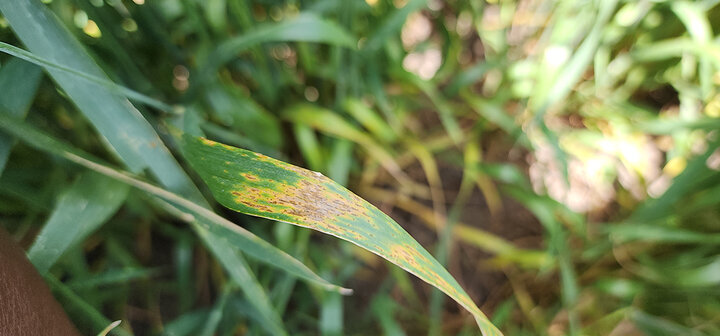
Fungal leaf spot diseases (Figure 8) were mostly absent or present at trace levels. These diseases have not developed to high levels due to the prolonged drought that prevailed until recently. Recent and continuing rainfall events are favorable for disease development. However, except for leaf rust in the southeast, the impact on yield is likely to be minimal because the diseases are developing late in the growing season.
Management
Viral and bacterial diseases cannot be controlled once they occur.
Foliar fungal diseases can be managed by applying a fungicide timed to protect the flag leaf.
Fusarium head blight can be controlled by applying a fungicide at early flowering.
The Fusarium Risk Tool is currently showing a medium to high risk of Fusarium head blight in southeast and south-central Nebraska. However, wheat in most fields in the eastern part of the state is past the growth stage (early flowering) when a fungicide can be applied.