Prepare Now in Case of Drought
This winter has been open and dry across most of Nebraska and according to the Drought Monitor, many areas are increasing in their drought classification intensity. We are a few weeks away from another growing season and who knows how much moisture lies ahead. In this article, I’ll suggest some ways you can limit the forage problems drought could cause.
Drought is likely to be a problem again this summer, at least somewhere. Because hay can be costly when pastures are short, we need to consider ways to minimize damages if we receive less than average rainfall. Fortunately, early spring is a time you can take action that can minimize some of drought’s problems.
For starters, prepare a strategy for using any remaining hay. One of the better options is to feed hay a bit longer into spring before turning cows out to permanent pasture. I know this action is exactly opposite of my usual recommendation to graze more and feed less hay. But allowing pastures to accumulate a bit more growth before grazing begins will provide more total grazable forage if drought prevents much regrowth later on. Leftover hay also can be used later during the grazing season to give pastures more time to recover between grazings.
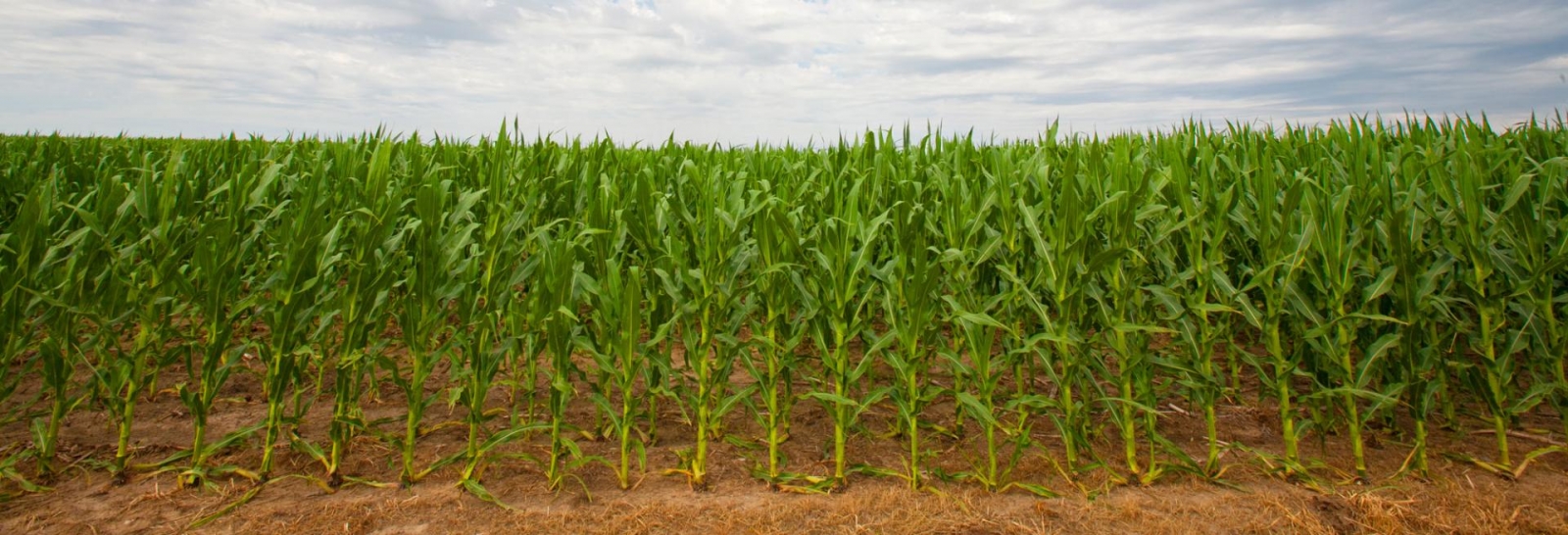
Another strategy is planting annual forages for pasture or hay. Some excellent choices are oats planted as early as possible or summer annual grasses like sudangrass, sorghum-sudan hybrids, and pearl millet planted once soils are good and warm. Late May or early June usually is best for these grasses. So reserve some ground now for these drought-insurance grasses, before you plant everything to corn, beans and other crops. And don’t forget about possibly planting these grasses or even some fall cover crop forages into wheat stubble as a double crop after harvest.
If the rains don’t come, planning and acting now to reduce potential forage losses from drought will pay big dividends.
Taking Stock
In Nebraska, February is usually the halfway point of winter. And since we’re on the back side of the season now, this is a good time to take stock of your feed resources — especially hay.
First, how is your hay stockpile looking today? An open winter can reduce hay use, but don’t assume you’re in the clear. The goal, even in a tough year, is to avoid buying hay late in the game just to reach spring. If you’re short, make a plan now, and then ask the bigger question: how do we keep this from happening again next winter? Annual forages can provide quick yield, and if this is a repeat problem, it may be time to look at expanding grass or alfalfa acres — keeping in mind moisture and the forecast, especially on dryland.
Next, think about last year’s perennial forage yields. Did your grass or alfalfa fields perform the way you needed? If renovation is coming, the planning starts now. For example, if an old alfalfa stand needs to come out and you want that rotation “rest year” before reseeding, don’t wait until summer to decide. Even interseeding legumes into grass should be on the early season calendar.
Maybe you don’t need a full renovation — it could be a look at fertility will boost yields. If you didn’t soil sample last fall, plan your sampling soon so plant needs match what you are providing. And don’t forget to match fertilizer timing to your dominant species; not all plants grow at the same time of year.
Finally, take a hard look at the forage budget. Do you need new equipment — and can you justify it? Or does it make more sense to buy hay, or hire custom harvesting? Costs matter, but so do labor, timing and forage quality.
Winter gives us a chance to take stock and plan ahead. A quick check on hay inventory, last year’s yields and the economics can make a big difference in how smoothly you hit spring.