Irrigating Forages
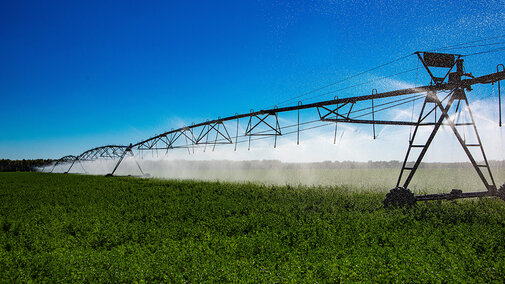
Forages vary greatly in water-use efficiency defined as pounds of forage produced per inch of water applied. In general, warm-season (C-4) forage crops are more water-use efficient than cool-season (C-3) crops. Further, annual forages use water more efficiently than perennial forages. Although legumes like alfalfa are very drought tolerant, they tend to be less water efficient than grasses.
When moisture is plentiful, water-use efficiency for warm-season annual sudangrass and sorghum-sudangrass hybrids ranges from 2.0 to 3.5 inches of water per ton of yield. Efficiency of cool-season oats is estimated at 3.5 to 4.5 inches of water required per ton of production. Comparatively, alfalfa needs 4 to 6 inches of water per ton or cutting.
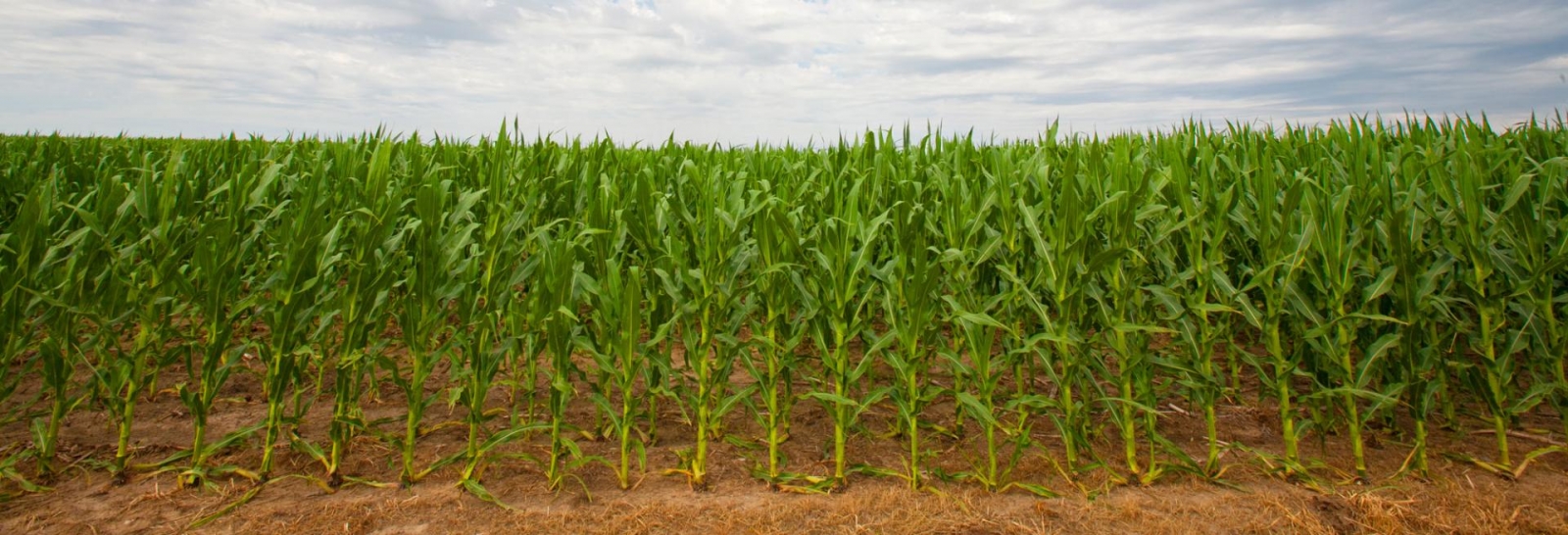
Switching from harvesting corn as dried grain to corn silage can also increase overall irrigation water use efficiency, since the silage corn can be harvested at the R4 dough stage, or 30-40 days earlier than traditional grain harvest. Silage yields can peg 28 tons per acre while lowering overall total water usage by 7 inches per acre.
Where water supplies may be restricted, millet may be the preferred forage option for improving water use efficiency. However, potential total biomass production of millet will likely be less than other drought-tolerant forage options. In UNL forage research at North Platte, millet produced 2 tons per acre with 2.2 inches of irrigation water, while applying more than 4.5 inches of irrigation water did not increase millet forage yields above 3.5 tons per acre.
More information including Nebraska Extension NebGuide G2012, “Forage Production with Limited Irrigation” is available on CropWatch or UNL Beef.
Poisonous Pasture Plants
While poisonous plants are generally not as problematic in Nebraska compared to other western states, they can exact their toll on livestock enterprises, and many times the losses are unrecognized.
There are 17 species listed as primary toxic plants that can be found in Nebraska. Toxic plants contain or produce substances injurious or lethal to animals. The amount of plant material consumed by the grazing animal before death or poisoning symptoms appear, does vary by species. Poisoning symptoms will vary depending on the toxic compound in the plant, but may include difficulty breathing, excess salivation, nervousness, or staggering. Many poisonous plants are avoided by the animal, but a scarcity of forage, such as under drought conditions may lead to a situation where they are consumed.
There are some species, such as prairie larkspur, where grazing animals may select for them when they are flowering (mid-June to early July). Other relatively common poisonous plants in central and western Nebraska include Riddell groundsel, Lambert crazyweed, wooly locoweed, and chokecherry.
Poison hemlock and spotted water hemlock are common statewide. These two species prefer moist areas in pastures, creek banks, ditches and disturbed sites.
If you suspect a poisonous plant problem in your pastures, be sure to get a positive identification of the plant. When control or removal of the plants is not possible, it may be best to move livestock to a different pasture.
The Nebraska Extension NebGuide EC3037, “Nebraska Plants Toxic to Livestock” is a great resource that can obtained through your local extension office.
Drought-Proofing Your Grazing Plan
With drought conditions forecasted across much of Nebraska this summer, now is the time to make a grazing plan that builds in flexibility.
Start by evaluating forage availability. If grass is already slow, consider reducing stocking rates early. Holding cattle back on a drylot or using annual forages can help avoid overgrazing if pastures fall short. Additionally, incorporating stockers into an operation can provide an asset that is easier to liquidate than the main breeding herd if conditions get dry.
If you haven’t already, set trigger dates to evaluate forage growth and precipitation. For example, June moisture does little for cool-season grasses like brome but can still help warm-season species. If we head into June at a deficit, brome pastures will need stocking rates reduced. Timely rain may fuel some late growth in native range, but a close eye on grazing pressure and pasture condition needs to be maintained.
As you graze, don’t underestimate the impact of timing. Grazing during plant recovery periods, especially in June and early July for warm-season species, can weaken plants and reduce future productivity. Rotate grazing so that key grasses have a break during critical growing windows.
Lastly, keep an eye on grazing pressure. Grazing as drought stress impacts a plant can double the pressure it is receiving without a chance to recover if it stays dry. As pastures dry out, be especially careful not to overgraze. Once fully dormant, plants can be grazed a bit harder without much damage, although we want to leave enough residual to protect plant crowns and reduce soil moisture loss.
Planning for drought isn’t fun, but taking steps now can save pasture health and avoid emergency decisions later.