Grass Tetany
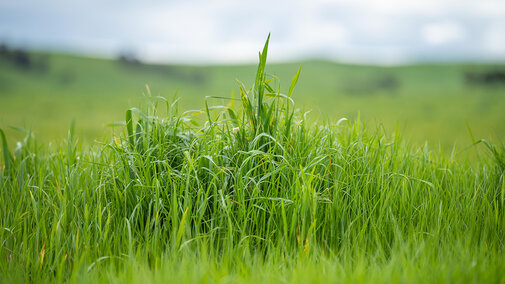
Fresh spring growth is a welcome sight for producers looking for animal forage. However, lush spring growth may be the perfect condition for a case of grass tetany. While turn-out may be a ways off, mitigating this risk starts now.
Grass tetany is the result of low levels of magnesium in an animal’s blood stream. Low magnesium levels in lush, newly growing grass are often a main cause. In lactating animals, low dietary magnesium paired with a drain on calcium from milk production increases risk even more. Calcium aids in magnesium absorption. This means high milk-producing and older animals are most at risk for developing tetany.
To prevent tetany problems this spring, it’s best to wait until grass in pastures has grown to at least 6 inches high before grazing. Legumes like alfalfa and clover are a good source of magnesium, so grazing mixed grass and legume pastures can help balance mineral demands.
While cultural practices can reduce risk, providing correct and adequate mineral supplementation may be the most certain remedy. Cattle should be consuming 3-4 ounces daily of mineral containing supplemental calcium and 10-13% magnesium oxide. This should start at least 30 days before grazing begins, to ensure proper intake has been established.
Most high magnesium minerals utilize magnesium oxide, which tastes bitter and can reduce animal consumption. Mix magnesium fortified mineral with salt into a complete package or feed with a highly palatable protein or energy supplement to improve intake.
High magnesium mineral should be provided for animals until cool-season grasses slow down growth and the levels of lush, fresh forage are reduced, around mid-May.
Dealing with grass tetany in the spring doesn’t have to negatively impact your herd. Plan now to adjust grazing management or mineral supplementation for a tetany-free spring.
Spring Grass Seeding
Spring is a time when we might be considering seeding some grass for pasture, hay or just to establish permanent plant cover for wildlife habitat. In some cases, this may involve attempting to improve or renovate an existing stand or establishing grass on former cropland or a disturbed site.
To be successful, there are several important decisions that need to be made and guidelines to be followed. The first of these is deciding the type and species of grass that would be best suited for the site and match the intended use. General categories of grass include cool- or warm-season and native or introduced species.
For example, cool-season grasses like wheatgrasses, smooth bromegrass and orchardgrass are excellent choices for pasture and/or hay.
For summer pasture or wildlife habitat, warm-season grasses such as switchgrass, indiangrass, the bluestems and gramas can work well.
Additionally, there may be choices of legumes or forbs that could be included with the grasses. The soil type and average rainfall in your area would also affect the grass species you might select.
Important factors for successful grass establishment include proper seedbed preparation, method of seeding, weed control and management of the newly emerged stand. In many cases, it is useful to get a soil test to determine any fertilization needs for the site. The ideal seeding rate and time of seeding will also vary depending on the grass species or mixture.
Make sure the details of your grass seeding plans are complete. For more information on this topic, see Nebraska Extension NebGuide G1705, “Establishing Dryland Forage Grasses.”
Wheat Grazing vs. Grain
Wheat, triticale and rye can all be used as dual-purpose crops for both forage and grain. But after the historic Nebraska rangeland wildfires this year, many producers are looking at them strictly as forage options.
Traditionally, grazing begins once these cereals reach about 5 to 6 inches in height, usually in early April, and can continue into early May. If grain harvest is still the goal, cattle need to come off before jointing, or the hollow stem stage, to avoid reducing grain yield. If the plan is to graze out the crop entirely, the challenge becomes keeping plants vegetative and maintaining quality. Ideally, plants should stay under 10 inches when grazed, which can be difficult with rapid spring growth. Quick rotations and moving cattle before stubble drops below 3 to 4 inches can help maintain a vegetative stand when moisture is adequate.
Of the common cereal grains, rye tends to grow earlier because it handles cool spring conditions best. Triticale, on the other hand, may remain productive longer into June. Hay or silage can also be good options, especially if harvest is timed well. Awnless wheat and rye varieties are generally preferred for this use, although awned varieties can still work if harvested just before heading. After graze-out or forage harvest, those same acres may still be available for summer annuals like sorghum, sudangrass or millet.
In the end, the best option will depend on forage needs, economics, available fencing and water, and how quickly you need those acres back into the next crop.