Scheduling First Cutting
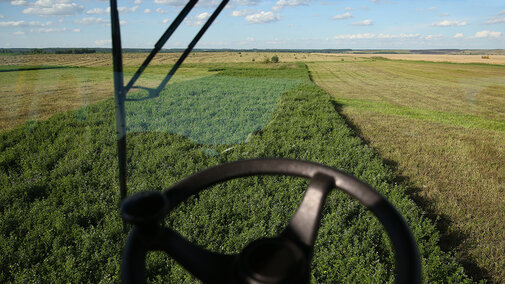
As spring temperatures rise across Nebraska, now’s the time to plan your first alfalfa cutting. Getting that first cut right is more important than many realize. It sets the pace for the entire season.
Waiting too long to harvest can lead to lower forage quality and delayed regrowth. That pushes your second cutting later into the summer, when heat and drought stress can limit yield. It can also throw off your third or even fourth cuttings, shortening the season and reducing total tons per acre.
On the flip side, cutting too early, before late bud stage, can hurt stand vigor and root reserves, especially in younger fields.
A good rule of thumb? Aim for 750 growing degree days from green-up and target the late bud to early bloom stage. Depending on the quality you are shooting for, this typically falls between late May and early June. Check field conditions closely, including weevil activity and stand health, and plan around weather windows to avoid rain damage.
Poor timing in May can cost you in July and August. Start planning now. Sharpen blades, check and service equipment, and communicate with custom harvesters early. A timely first cut sets the tone for the rest of your hay season.
Selecting Summer Annual Forages
It is close to the ideal time to plant a summer annual grass, maybe to replenish your hay supply or have some extra grazing. Which one will you plant?
Choosing a summer forage can be confusing because there are about seven different types of major summer annual forage grasses. These include: sudangrass, sorghum-sudan hybrids, forage sorghum (which we often call cane or sorgo), foxtail millet, pearl millet, Japanese millet and teff. Each one has its own strengths and weaknesses. So, base your choice primarily on how you plan to use it.
For example, do you want pasture? Then use sudangrass or pearl millet. Both are leafy, regrow rapidly, and contain less danger from prussic acid poisoning than other annual grasses.
What if you want hay or green chop? Then select sorghum-sudan hybrids or pearl millet because they yield well and they have good feed value when cut two or three times. On sandy soils, or when conditions are dry, foxtail millet may be a better choice for summer hay. It dries fast, doesn't regrow after cutting, and handles dry soils well. Cane hay is grown in many areas and produces high tonnage, but it’s lower in feed value and dries more slowly after cutting than the hybrids or millets. Japanese millet can either be cut for hay or grazed and tolerates heavy, wet soils. Choose teff if you are looking for a really soft, leafy, high quality horse hay.
Maybe you plan to chop silage. Then choose the forage sorghums, especially hybrids with high grain production. They can't be beat for tonnage or feed value.
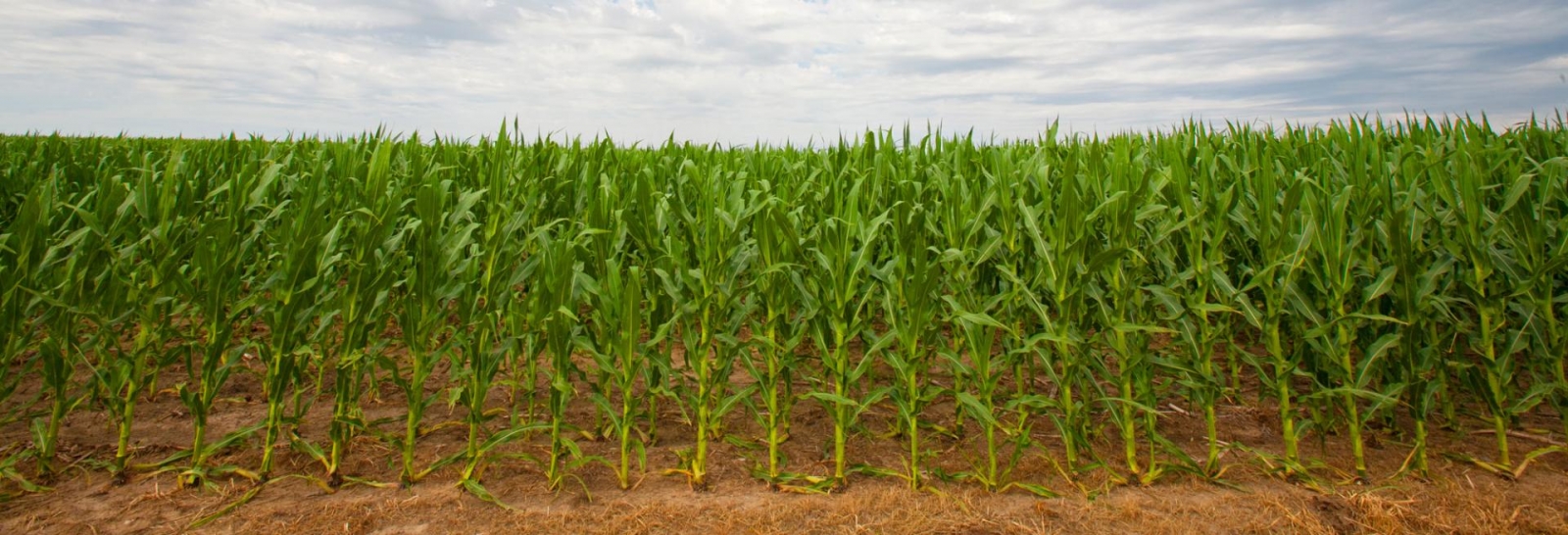
While there are several choices of summer annual forages, simply select the one that is best adapted to the way you plan to use it. And, of course, hope for rain, since even these grasses won’t grow without some moisture.
Pre-season Hay Equipment Maintenance
Spring is busy getting crops in the ground, but if much needed moisture keeps you from the field, take some time to maintain your haying equipment and prevent costly downtime later.
First, inspect, lubricate and service all power-driven areas such as belts, bearings, chains and gears. Set tension on belts and chains. For sicklebar headers, check, sharpen or replace cutterbar sections and adjust wear plates, hold-down clips, and guards. Make sure your cutterbar has proper knife register. On disc mowers, replace knives and rotate or replace worn turtles over the knives.
Conditioning rollers often are overlooked. Look for uneven wear and adjust the roll gap, roll timing, and roll pressure for your crop.
On round balers, inspect belts, chains and slats or rollers frequently for wear. Trim frayed edges and repair belts as needed to maintain uniform tension. When not in use, keep belts clean and release belt tension.
Check plunger knife clearance and plunger alignment on square balers and inspect the tying mechanism and adjust as needed. Pick-up teeth on balers and rakes frequently are broken or bent. Replace defective teeth and adjust height if necessary.
Also, be sure you have replacement parts on hand for frequently broken or replaced items. And most important of all, review your owner's manual to identify recommended maintenance procedures and proper settings.