Seed Selection to Combat Alfalfa Diseases
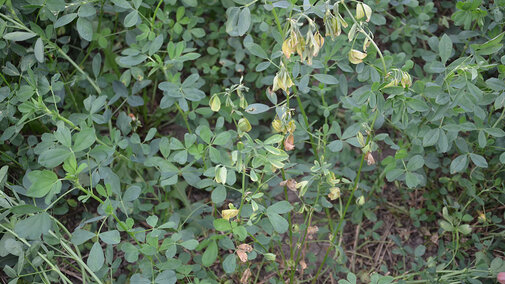
If you’re planning to seed alfalfa this year, one of the most important decisions you’ll make happens before the planter ever rolls — and that’s variety selection. Disease resistance should be part of that decision, especially when it comes to Phytophthora root rot and anthracnose.
Start by thinking about the fields you’re planting. Heavier soils, poor drainage or areas that stay wet after rains increase the risk of Phytophthora root rot. In new seedings, it can cause rapid seedling death under wet conditions. In established stands, it damages the taproot, leading to yield loss, thinning stands and a higher risk of winterkill.
Now look at fields with a history of stem disease, frequent harvest traffic or past stand decline. Those conditions increase the risk of anthracnose. This disease attacks stems and crowns, spreads easily through rain, wind and harvesting equipment, and can significantly reduce production within a few growing seasons.
Multiple races of anthracnose are already causing problems in the Midwest. Races 1 and 2 have been present for years and remain common. A newer and more aggressive race 5 has yet to be lab-verified in Nebraska, but it’s been confirmed in neighboring states. Race 5 often shows up earlier in the life of a stand, adding another layer of risk.
Because alfalfa is a long-term investment, seed selection is your first — and best — line of defense. When ordering seed this year, look for varieties rated Resistant or Highly Resistant to anthracnose across multiple races, along with strong resistance to Phytophthora root rot. Matching disease resistance to field conditions now can help protect yield, stand life and profitability for years to come.
Pasture Lease Considerations
As pasture grazing leases are getting finalized for the 2026 season, it is important to make sure that some of the key details are clear and in writing.
Traditionally, summer pasture leases are for five or six months from May or June to October or November. Specific starting and ending dates can be used, but there could be exceptions based on spring weather conditions or if there were drought conditions the previous year that might warrant delaying turn-out to allow some recovery of grasses.
A lease clause that provides details on what would happen if drought occurs during the season is a must. Most often, this is handled by reduced stocking rates or a shorter grazing period. Other situations that could affect the amount of pasture available includes severe hail, grasshoppers or wildfire. In fairness, of course, pasture rent owed should also be adjusted accordingly if the grazing period is shortened. Consider pricing leases based on grazing animal unit months (AUMs) rather than a flat rate per acre or cow-calf pair. This can make it easier when adjustments are made to the length of time grazing occurs. In some cases, an abundance of pasture growth might result in extra grazing.
Other pasture and grazing management details that could be part of a written lease agreement would include fence maintenance and repair, weed control or any issues associated with the livestock water supply. Some landowners might also have specific preferences in how grazing rotations are done through several pastures.
Start your communications early and make written agreements for fairness and equity. A fillable pasture lease form is available on Ag Lease 101.