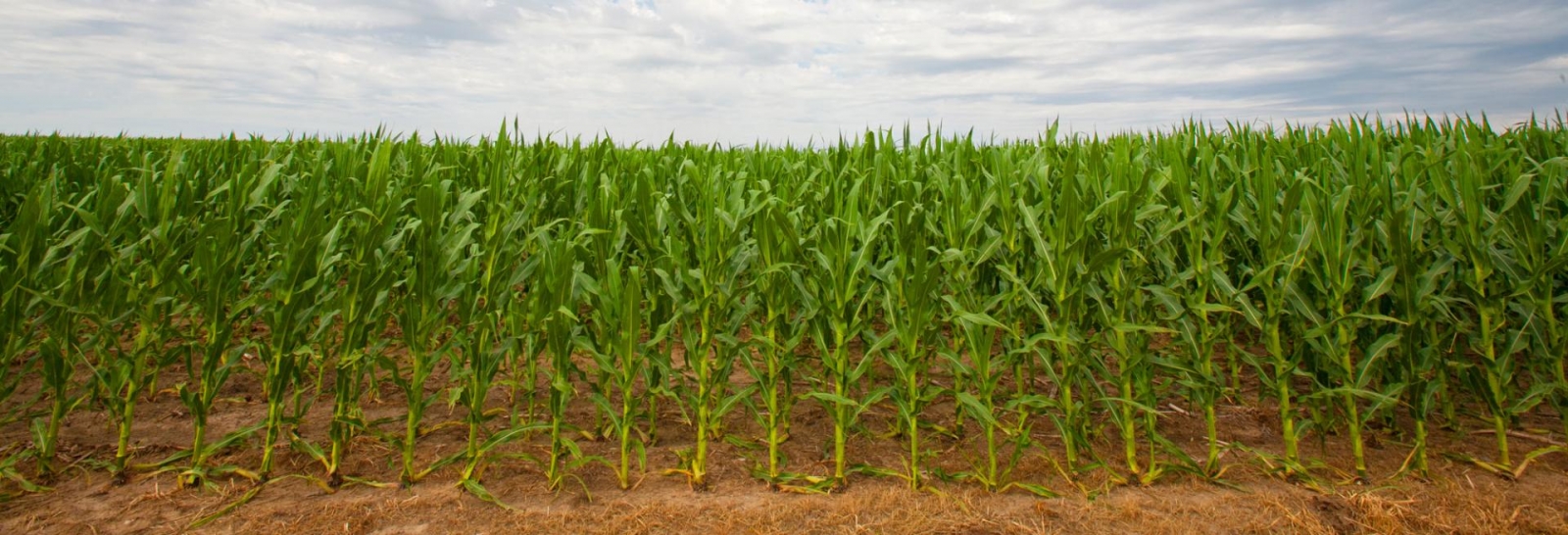
Fifty years ago, when Nebraska farmer Don Gasper first began corn and soybean no-till planting into standing stubble, his neighbors were making fun of him for doing so. However, Gasper stuck with it — and then went further, adding diverse cover crops to his operation about 12 years ago. This shift has drastically reduced erosion on his sloping fields in Platte County, a fact in which he takes great pride.
Working with USDA Natural Resources and Conservation Service (NRCS) staff for many years, Gasper demonstrated the increase in water infiltration he attributes to leaving the soil structure intact and maintaining living roots in the ground. Recent soil sampling showed his organic matter concentration in the top eight inches of soil at 3.2%, which is significantly higher than typical for this area — a testament to Gasper’s land stewardship. For reference, average organic matter in similar area soils is roughly 1.5-2%, making his improvement especially notable.
His curiosity and persistence not only improved his soils, but also inspired him to share these lessons with others. His belief in doing the right thing — caring for our greatest natural resource — translated into becoming a leader in organizing soil health and cover crop programs in the area. Gasper has worked with Nebraska Extension, NRCS and other agencies in the past to raise funds and organize local soil health events, connecting local producers with nationally renowned speakers such as Gabe Brown, Dwayne Beck and Ray Archuleta. As a result, many of his neighbors have now followed his example and adopted regenerative practices on their farms.
While Gasper has passed on much of his farm and leadership responsibilities, he remains deeply engaged and seeks opportunities to reduce input costs and increase yields. He and his children, who are now working alongside him, are always trying out new things.
One example is planting green, where the cover crop has not been terminated before planting the cash crop. The Gasper family is also experimenting with roller crimping as a mechanical method to terminate cover crops.
While these practices can sometimes reduce crop emergence or early growth, Gasper believes that with careful management, the benefits outweigh the costs and allow for reduced herbicide applications.
For soil fertility, Gasper is using chicken manure and compost mixed with biochar, which provides a more complete fertilizer and boosts beneficial soil microbes for his corn. Dryland corn yields on his farm were up to 220 bushels/acre in some years, demonstrating that managing for soil health does not mean sacrificing yields.
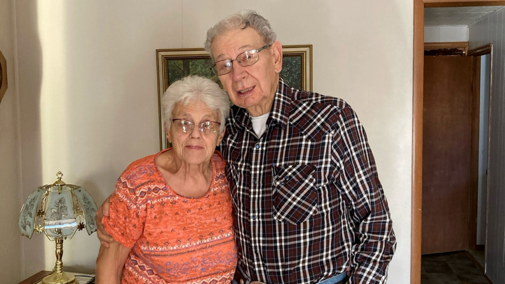
Gasper and his wife, Mary Lee, are most proud of their wonderful family of nine — although he said with a chuckle that it can be a challenge to farm with seven “kids”. He hopes to pass on not only the farm, but also his conservation ethic and many observations from a lifetime of working with nature.
For Gasper, the greatest legacy isn’t just higher yields or healthier soils — it’s a way of farming that honors nature and nourishes future generations. He is truly a soil health pioneer and an inspiration for many.