Grazing Summer Annual Forages
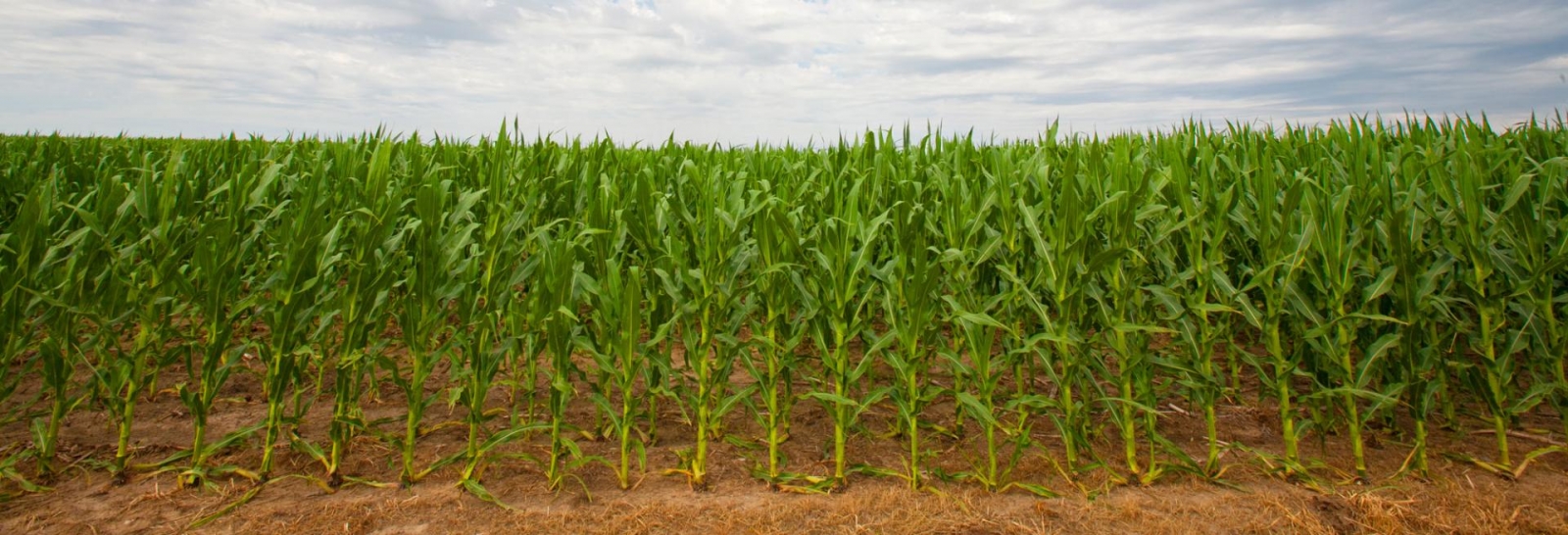
Summer annual forages such as sudangrass, sorghum-sudan hybrids and pearl millet planted this spring soon could be ready to graze. There are some grazing guidelines to help avoid potential hazards.
The first guideline is to never turn hungry animals into sudangrass or sorghum-type pastures, as they may eat so rapidly, they could consume a quick, fatal overdose of prussic acid. All sudangrass and sorghum-type hybrids can produce a compound called prussic acid that is potentially poisonous. Prussic acid — also is called cyanide — is nothing to fear as long as you use a few precautions to avoid problems.
The highest concentration of prussic acid is in new young shoots, so let your grass get a little growth on it before grazing to help dilute the prussic acid. Let sudangrass get 15 to 18 inches in height before grazing. Sorghum-sudan hybrids usually have a little more prussic acid risk, so wait until they are 18 to 24 inches tall.
Pearl millet does not contain prussic acid, so it doesn’t require these grazing precautions. Pearl millet can be grazed when it reaches 12 to 15 inches tall.
Nitrates also can accumulate in these grasses, particularly when there are droughty conditions and/or excess nitrogen fertilization. Avoid grazing these grasses too short, since nitrate concentration is highest in the lower parts of the stems.
Summer annual grasses respond best to a simple, rotational grazing system. Divide fields into three or more smaller paddocks of a size that your animals can graze down to about eight or so inches of leafy stubble within seven to 10 days. Repeat this procedure with all paddocks. If grass in some paddocks gets too tall, it could be cut for hay.
A well-planned start, a good rotation, and a little rain can give you good pasture from these grasses all the rest of the summer.
Poison Hemlock
Have you noticed tall weeds with umbrella-like clusters of white flowers in pastures, ditchbanks and along roadsides? It may be poison hemlock, a plant highly toxic to people and livestock.
Poison hemlock commonly grows in moist soils along streams, roadsides, fencelines and low areas in pastures. It has finely divided, fern-like leaves and smooth, hollow stems with distinctive purple spots. This biennial grows as a low rosette its first year, and produces a tall flowering stalk during its second.
Scout pastures before turnout, especially when forage is short or low in palatability. Livestock generally avoid poison hemlock but may consume it when desirable forage is limited or when turned into a pasture hungry. Adequate forage, water, salt and minerals can reduce abnormal grazing behavior, but these do not make an infested pasture safe.
All parts of poison hemlock are toxic, and relatively small quantities can cause severe poisoning or death. The plant also remains dangerous after drying, making contaminated hay a potential risk.
Control is most effective during the rosette stage in fall or early spring, before plants bolt and flower. Avoid mowing or spraying while livestock remain in the area. Cutting or herbicide injury may make plants more palatable and easier to consume, so exclude livestock until treated plants are dead and no longer accessible.
Pasture and rangeland herbicide options include products containing 2,4-D, dicamba, or both, along with DuraCor®, Chaparral®, Graslan® L, Cimarron® Plus and Escort® XP. Streamline® is labeled for certain non-crop sites, but its label prohibits grazing or feeding forage or hay from treated areas.
Consider impacts on clovers and other desirable broadleaf plants, along with grazing, haying, manure and reseeding restrictions. Always confirm that the product is labeled for the intended site and follow all label directions.
Fertilizing Summer Annuals
Summer annuals such as pearl millet, forage sorghum, sorghum-sudans, corn and BRM (brown midrib) forages can respond well to fertilizer applications after their first cutting harvest. However, if moisture is a limiting factor, then fertilizer applications likely should be split and/or significantly reduced, since forage yields will only increase to the first limiting nutrient level.
Under irrigation management, 40 to 60 pounds of nitrogen fertilizer per acre may be applied after haying the first cutting or grazing of summer annual forages to stimulate regrowth. Sudangrass and sorghum-sudangrass will especially benefit from fertilizer applications after each cutting when irrigation reduces potential moisture stress. Further, average summer forage hay dry matter contains 15 pounds of phosphorus, 40 pounds of potassium and 25 pounds of sulfur per ton. Actual nutrient content can vary based on forage species, time of year and potential stress.
For rain-fed (dryland) forage production, high rates of nitrogen during drought stress may increase the risk of nitrate accumulation in the forages. As a result, dryland forage fertilizer rates for this year’s drought conditions may be significantly lower. If dry weather conditions continue, growers may reduce normal fertilizer rates by over 50%. In some cases, producers may decide to split apply fertilizer and adjust rates based on rainfall amounts.
In UNL on-ranch forage studies, pearl millet forage was higher in sulfur content compared to other summer forages. So, consider sampling forage leaves, field soil and hay to determine if sulfur may be a limiting factor on long-term millet producing fields.
More details regarding summer annual forages management are available on CropWatch.