Looking to 2026
As we enter the new year, it’s a good time to look back on how 2025 treated our forage and grazing systems, and begin planning ahead for the 2026 growing season.
Much of Nebraska saw variable moisture in 2025. The year started off dry, rebounded nicely in many places with summer moisture and then turned dry again later in the fall. Those differences reminded us how important spring moisture is for early forage production and pasture turnout. Fall-planted forages without irrigation tended to start slowly, and pastures pushed hard the last few years without time to recover did too. While we saw things rebound, spring moisture this year is going to again be key and stocking flexibility will be important for many operations.
Looking toward 2026, it pays to have more than one grazing plan in your pocket. If spring moisture falls short, plan for delayed turnout or early rotational strategies to stretch available forage. On the other hand, if moisture improves, be ready to take advantage and rebuild pasture condition.
Fertility is also another factor to watch. When budgets are tight or conditions are uncertain, fertilizer decisions often get pushed back. Small nutrient gaps can still impact yield and forage quality, especially in established pastures and hayfields. If it has been several years since your last soil test, consider sampling this spring to fine-tune where fertility dollars work best.
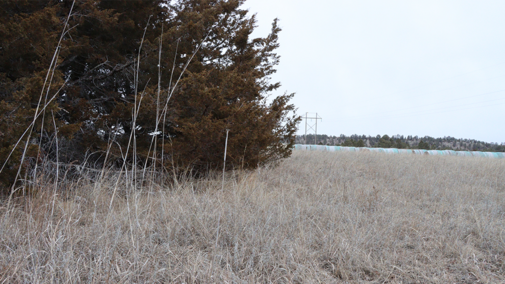
Finally, in pasture ground, continue to keep an eye on cedar encroachment. Catching small saplings early is far cheaper than addressing large trees later. A simple monitoring pass each year can pay off.
With 2026 to look forward to, early planning and flexible expectations will be key to keeping forage systems productive and resilient.
Winter Brush Control
With leaves off and grasses dormant, late fall and winter can be an effective time to get ahead of brush in pasture and rangeland. However, it’s important to recognize that control options are more limited right with plants not actively growing. That means foliar herbicide treatments aren’t an option.
For evergreens like eastern redcedar, mechanical control is one of the best options right now. Cutting trees off at ground level is highly effective, and once a cedar is cut, it will not regrow. With grasses dormant, it’s easier to spot small trees and access infested areas before they become bigger problems.
For woody shrubs like buckbrush and smooth sumac, winter basal bark treatments can still be effective. Applying a labeled herbicide mixed with oil around the lower portion of the stem targets the plant directly and avoids damage to surrounding forage. This works best on individual plants or smaller patches, and good coverage is critical.
Yucca can be more challenging. Mowing alone usually doesn’t solve the problem, but targeted herbicide treatments or repeated pressure can help. In some cases, winter grazing can reduce patches over time, especially where cattle have learned to disturb and uproot plants.
Even when treatment options are limited, winter is a valuable time to identify and map problem patches, flag areas for future treatment, and think through which tools — mechanical control, grazing, fire, or herbicide — will fit best once plants are actively growing again.
A little planning now can save grazing acres, time and money down the road.