Lease Agreements Verbal vs. Written
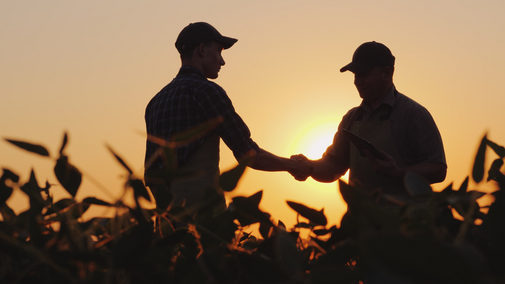
If you’re renting farmland in Nebraska, there are a few lease options to think about. A lot of folks still use a verbal or handshake agreement and that’s fine; however, it’s good to know what happens when it’s time to end one.
For cropland, the Nebraska Supreme Court says the lease year starts on March 1. If a landowner wants to end a year-to-year verbal cropland lease, they need to give notice six months ahead that, meaning by Sept. 1. Most people recommend that people send notice by Registered Mail, so you’ve got proof it was received.
Pasture leases are a little simpler. They usually line up with the grazing season for about five or six months and most end automatically when the grazing is done, unless there’s something different written in an agreement.
Even though handshake deals are common, putting it in writing is always the best route. A written lease keeps things clear, protects everyone involved, and helps avoid misunderstandings.
Want to learn more or see an example of a sample lease? Check out the Ag Lease 101 Document Library.
Planning for Spring Annual Forages
While we are still early in the new year, it is time to start thinking about any spring annual forages that we might plant. Part of the process may be anticipating a need for extra feed or booking seed early for possible discounts.
For spring or cool-season annual forages, the planting period is typically mid- to late March to early April, or when soil temperatures are in the 42-to-45-degree range. Oats is probably the most common cool-season annual forage planted in Nebraska. However, spring triticale or spring barley are two other small grain options that have been found to perform similarly to oats in terms of forage yield and quality.
Also similar is the number of days until ready to begin grazing or hay; so, the different species could be mixed if desired. One could look at seed cost of the different species before making a decision. With the early spring planting date of the cool-season annuals, grazing can typically begin around the third or fourth week of May and last into early July. Haying usually take place around the third week of June.
If grazing is a primary goal, Italian ryegrass could be included in a mix with the cereal grains, which will result in a longer grazing period. Field peas are another species that could be included to enhance forage quality and provide some nitrogen fixation.
Remember to consider the herbicides that may have been used on a field the previous year. Some herbicides may have long residuals that could hinder establishment even into this spring.