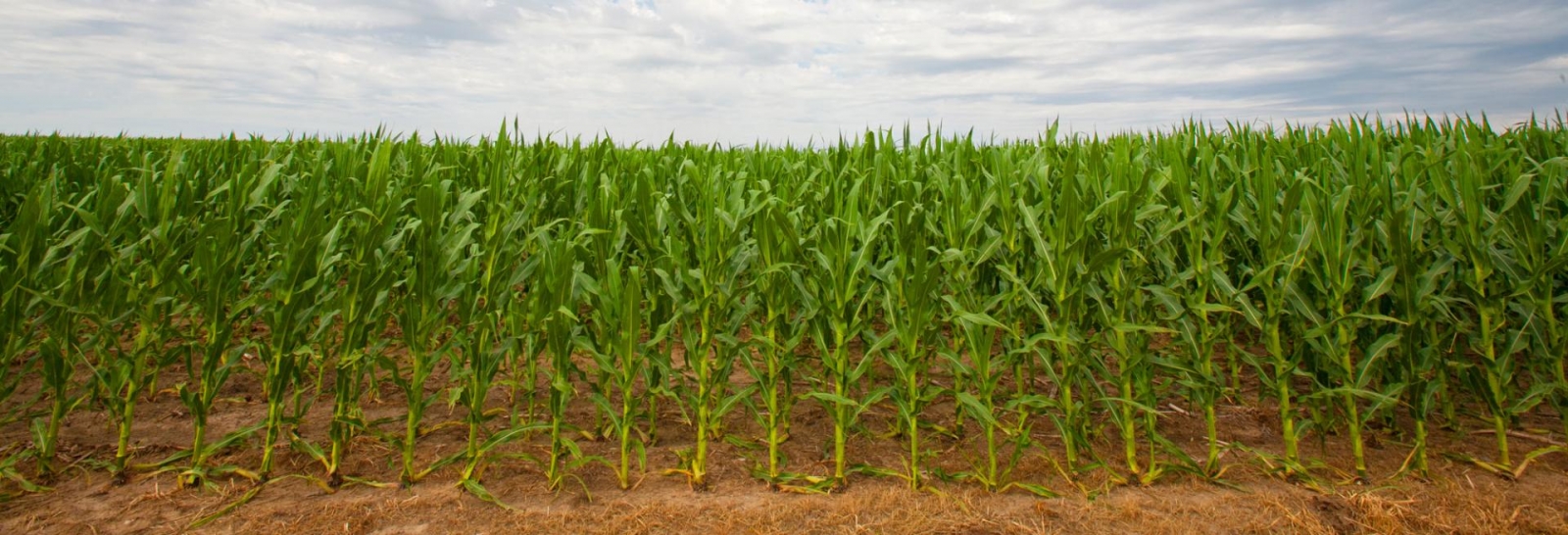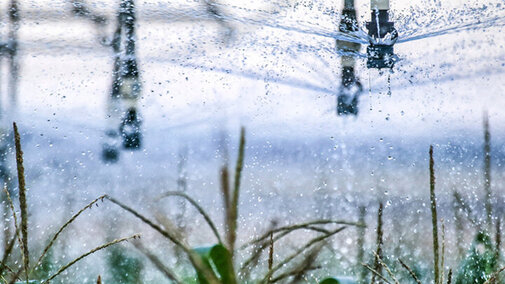
As temperatures drop across Nebraska, farmers face unique challenges in maintaining their irrigation infrastructure and water systems. The 2025 winter season has brought particularly harsh conditions to the central and eastern regions of the state, prompting concerns about frozen pipes and damaged equipment that could affect spring planting operations.
Understanding Freeze Damage in Agricultural Water Systems
Unlike residential plumbing, agricultural water systems often span large distances and remain exposed to extreme temperature fluctuations. Center pivot irrigation systems, stock tanks, and wellheads are particularly vulnerable during extended cold snaps. Producers who failed to properly winterize their systems in early November are now reporting issues ranging from cracked PVC lines to damaged pump housings.
Dr. William Kranz, Extension Irrigation Specialist, notes that the economic impact of freeze damage extends well beyond the immediate repair costs. "When a farmer loses a critical component of their irrigation system, they're not just paying for parts and labor—they're potentially looking at delayed planting, reduced yields, and long-term soil moisture deficits that can take seasons to correct."
Prevention Strategies for Next Season
Proper winterization remains the most cost-effective approach to avoiding freeze damage. Key steps include draining all above-ground pipes and ensuring proper slope for complete water evacuation, installing heat tape on vulnerable sections particularly around wellheads and pump housings, insulating exposed pipes with foam sleeves rated for agricultural applications, and disconnecting and storing portable irrigation components in climate-controlled environments.
For producers who have already experienced damage this season, prompt assessment and repair planning is essential. Many agricultural equipment dealers report extended wait times for replacement parts, making early diagnosis critical for spring readiness.
The Role of Professional Assessment
While many farmers handle routine maintenance independently, complex water system repairs often require specialized expertise. The intersection of electrical components, pressure systems, and water flow dynamics creates situations where professional assessment can prevent costly mistakes.
Resources for finding qualified water system professionals vary by region. Urban producers near metropolitan areas like Omaha or Lincoln have access to extensive service networks. For those in more rural counties, the Nebraska Rural Water Association maintains referral lists, and some producers have found success consulting resources typically aimed at residential customers—for example, directories listing emergency water and plumbing services in major metro areas can sometimes connect farmers with technicians willing to travel for agricultural jobs, particularly during off-peak seasons.
Economic Considerations
The Nebraska Department of Agriculture estimates that irrigation system failures cost state producers approximately $12 million annually in direct repair expenses and lost productivity. This figure has increased roughly 15% over the past five years, driven by aging infrastructure and increasingly variable weather patterns associated with climate change.
Producers considering system upgrades should evaluate the long-term cost benefits of more resilient materials. High-density polyethylene (HDPE) pipe, while more expensive initially, demonstrates significantly better freeze-thaw tolerance compared to traditional PVC installations.
Looking Ahead
Extension offices across the state will be hosting winter planning workshops throughout January and February. These sessions will cover irrigation system maintenance, water rights management, and strategies for optimizing water use efficiency in the upcoming growing season.
For immediate assistance with irrigation system questions, contact your local Extension office or visit the Nebraska Extension Water website for additional resources.