Making the Most of Summer Annuals This Fall
As we move into fall, many producers may be looking to harvest forage from summer annuals like sorghum-sudan, forage sorghum or millet. While these crops can provide valuable feed, making dry hay this time of year can be challenging.
Cooler temperatures, heavier dew and fewer daylight hours all slow drying. Add thick stems and reduced sunlight intensity, and getting hay down to a safe storage moisture level can be difficult. Pushing harvest without a good drying window increases the risk of mold, heating and even fire in stored hay.
If dry hay is still the goal, several practices can help. Mechanical conditioning or crimping stems speeds moisture loss. Spreading forage in a wide swath exposes more material to sunlight and airflow. Cutting high — leaving around 8–10 inches of stubble — also keeps the windrow off the soil and improves airflow underneath while leaving more of the nitrate-prone lower stem in the field.
Even with these adjustments, fall drying windows can be tight. Silage or baleage may be better options when forage is too wet or stems are slow to cure. Stockpiling growth for grazing later in the fall can also reduce harvest risk, although forage quality will decline as plants mature.
Keep forage safety in mind as well. Sorghum, sorghum-sudan and sudangrass can present prussic acid concerns following frost or other stress, and stressed summer annuals may also accumulate nitrates. If conditions suggest a risk, testing before feeding is a good precaution.
As you plan fall forage use, match the harvest method to weather conditions and forage maturity. Dry hay may still work with a good weather window, but silage, baleage or grazing can provide useful alternatives when fall drying becomes difficult.
Verbal Pasture Lease Agreements
There are a couple of leasing options for producers and landowners. Verbal leases are a common form of lease agreement. However, anyone considering terminating a verbal lease should be aware that different dates and rules apply to crop and pasture leases. The Nebraska Supreme Court has ruled that the lease year begins March 1 for year-to-year verbal leases. Notice to vacate under a verbal or handshake year-to-year lease must be given to a tenant six months before the end of the lease or no later than Sept. 1 for crop production. It is recommended that the farmland lease termination notice be sent by registered mail. This requires the person receiving the letter to sign for it, providing evidence that the termination notice was received.
Handshake or verbal leases are different for pastures. A typical pasture lease covers the five-month grazing season. The lease is in effect only for that period, so the lease is terminated at the end of the grazing season. However, arrangements for different lease lengths can be made in a written lease.
In all instances, written leases are preferable over oral or handshake leases. Sample leases are available in the Ag Lease 101 library and can help both parties begin considering appropriate lease conditions for their situation.
Grazing Drought-Stressed Corn
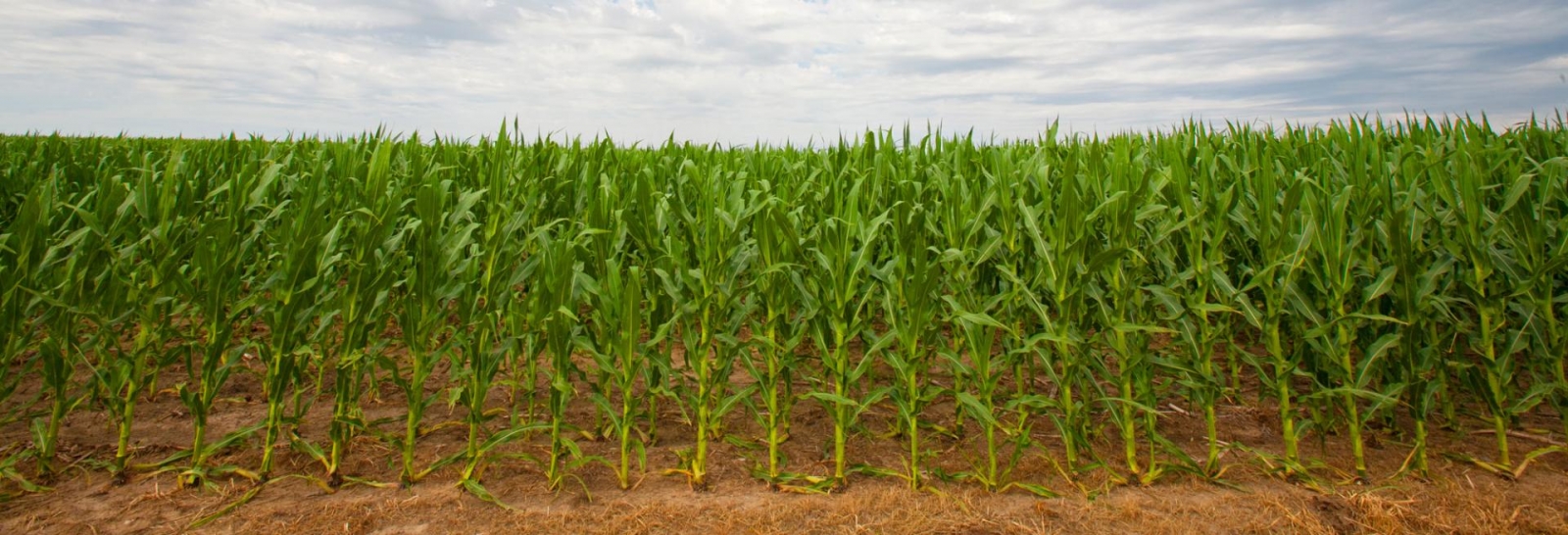
Drought can leave dryland corn with little grain potential but still considerable forage value. Before writing off those fields, producers may be able to capture some value by grazing them with livestock.
First, check crop insurance and herbicide restrictions. Contact your crop insurance agent before grazing or harvesting a damaged crop, and review the labels for every herbicide applied. If products were tank-mixed, the most restrictive forage restriction applies.
For short, vegetative drought-stressed corn, grazing can be a practical option. Nitrates are a concern, but cattle tend to select the leaves and upper portions of the plant first, while nitrate concentrations are greatest in the lower stalk.
Turn cattle onto the field after they have eaten their fill and provide clean water. With earless corn, giving cattle access to a larger area instead of using tight strip grazing allows them to graze selectively and reduces pressure to consume the lower stalks.
Once ears develop, grain intake and acidosis become greater concerns, so controlled access may be needed.
Corn that reaches maturity but still isn't worth combining may also have value for grazing this fall or winter. If that's a possibility, start planning now for water, fencing and field access.
Drought-stressed corn isn't automatically a loss. Grazing may provide a practical way to turn a poor grain crop into useful feed.