Pricing Corn Silage
Silage is a cornerstone feed for livestock across Nebraska. Knowing its value is critical for making sound management decisions, whether budgeting for your own operation or selling to a buyer.
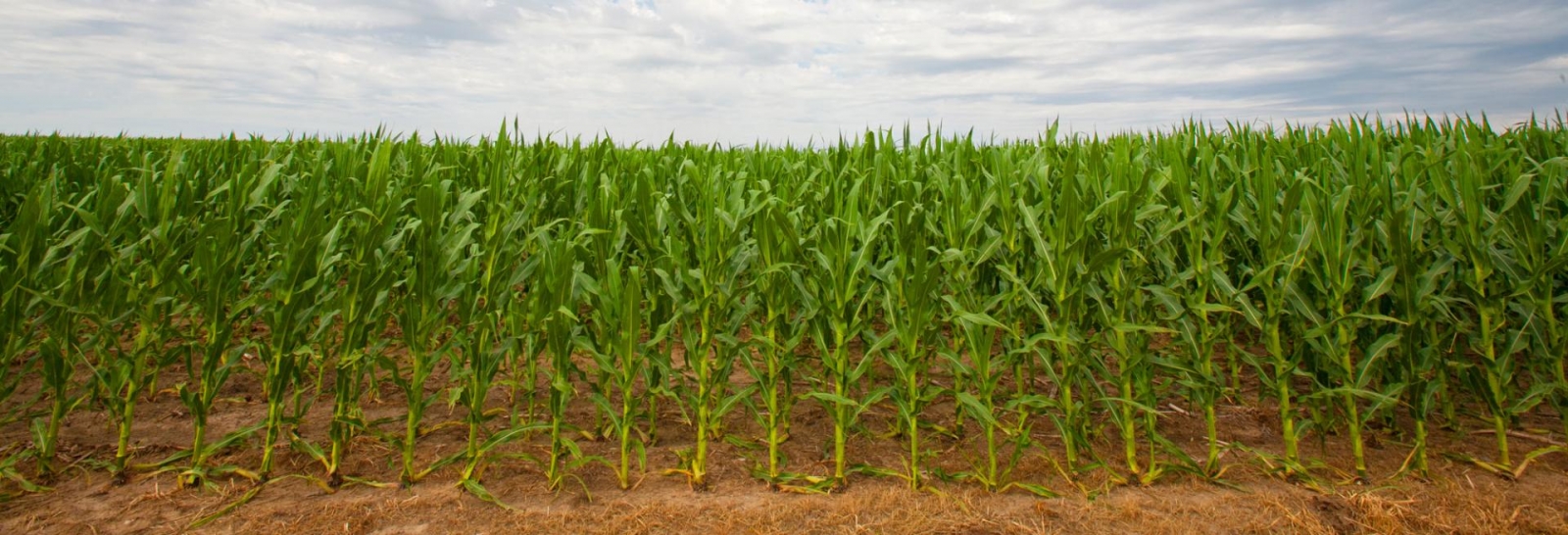
UNL research shows that corn silage standing in the field can be valued per ton at 7.65 times the price per bushel of corn when harvested at about 65% moisture. This multiplier is consistent regardless of corn price. Using $5 per bushel as a current round-number example, that puts silage standing in the field at $38.25 per ton. Producers can substitute their own local harvest corn price when making this calculation.
The standing value accounts for not having to combine or haul grain to market. When looking at silage in the silo, however, harvest, hauling, packing and storage costs need to be added.
The 2026 Nebraska Farm Custom Rates publication shows an average rate of $13.50 per ton for harvesting, hauling and packing silage. Adding that to the $38.25 field value brings the value to $51.75 per ton in the pile. Adding $5 per ton for storage brings the value to $56.75 per ton.
To take the calculation one step further and value silage delivered from storage to the bunk, shrink also needs to be considered. Dry matter losses during fermentation, storage and feedout can range from 10%–20% or more. With 10% shrink, the $56.75-per-ton silage has a value of about $63.06 per ton delivered to the bunk, before any additional trucking costs.
Silage pricing will always shift with markets and costs, but running the numbers can give you a clearer picture of the value of this important feedstuff for your operation.
Nitrate Management for Grazing
While dry conditions can result in high nitrates in annuals, drought isn’t the only thing that may cause nitrate issues. Shade, frost, hail and herbicide damage can all contribute to high nitrate levels. Grazing forages that have high nitrates can be successful, but how it is managed can mean the difference between life and death.
Grazing growing cover crops or annual forages with higher nitrates is possible because fresh forage releases nitrates into the rumen more slowly than dry forage such as hay. Some bacteria can also use available energy to utilize the nitrates directly. Allowing these microbes to adapt gradually to higher nitrate levels in the diet is critical to safely handling otherwise toxic levels later on. Grazing aids in this, as the slower rate of dry matter intake on fresh forages allows microbes to better keep up with incoming nitrate amounts. That being said, grazing is still a calculated risk.
To minimize risk, make sure cattle are turned out full with plenty of water and consider using lower-risk cattle such as stockers. Adapt the animals slowly by starting in the lowest nitrate fields first or stocking lightly, and avoid force-grazing the lower portions of the plant, where nitrates are more highly concentrated. Another consideration is to supplement energy in the diet with small amounts of grain while adapting cattle so that the rumen microbes can convert the nitrate into bacterial protein more efficiently.
Last Alfalfa Cutting
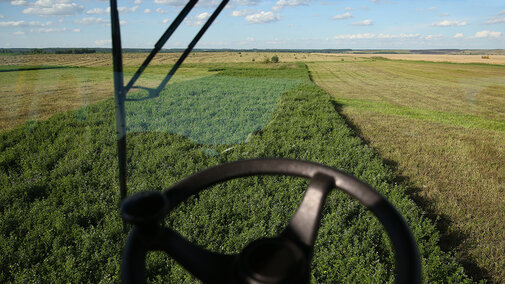
Timing the last fall cutting of alfalfa can be difficult. Producers need to balance the value of another harvest against stand health, winter survival and vigor next spring.
A traditional guideline has been to give alfalfa about six weeks of uninterrupted growth before a killing freeze. For much of Nebraska, that has meant targeting around Sept. 1 for the final regular cutting.
A more precise way to look at the decision is with growing degree days. Research using base-41°F growing degree days found two useful thresholds. If at least 500 growing degree days remain before a 24°F killing freeze, alfalfa generally has enough time to regrow and prepare for winter. Once fewer than 200 growing degree days remain, there usually isn't enough regrowth to significantly draw down root carbohydrate reserves.
The greatest concern is harvesting between those two points. Cutting then can stimulate regrowth that uses stored carbohydrates without leaving enough time in the growing season for plants to fully replenish those reserves.
How much risk a field can tolerate also matters. Older or thinning stands, fields cut frequently during the season, or stands stressed by drought, insects, disease or poor fertility should be managed more conservatively. Younger, healthy stands planted to winterhardy, disease-resistant varieties can generally tolerate more stress.
If additional forage is needed this fall, don't rely on the calendar alone. Consider the condition of the stand and how much growing season remains. Either provide enough time for plants to regrow and winterize, or wait until plants are close enough to dormancy that little regrowth will occur.