The Cost of Overgrazing
There is a saying with regard to grazing, “Take half and leave half.” However, with the weather events this past year, some producers are concerned about long-term overgrazing, since this can reduce grass production and profits for years. Overgrazing often leads to higher feed costs, lower carrying capacity, and more expensive pasture recovery over time.
Lower forage production means fewer grazing days. In this case, producers may have to purchase hay or supplemental feed earlier than planned and reduce stocking rates in future years. Overgrazing can also cause weeds, pest invasion, soil erosion, additional management costs, and delay pasture recovery for years to regain original grazing capacity.
For example, if overgrazing reduces forage production by 20%, on a 100-acre pasture producing two tons of forage per acre, the range loses the equivalent of 40 tons of forage. Replacing that forage with purchased hay can quickly add thousands of dollars in feed costs.
The best option to avoid overgrazing is to be proactive. Some things producers can do are rotate livestock before plants are grazed too short, monitor forage availability throughout the season, adjust stocking rates during the season, and increase the rest period between grazing periods.
The cheapest forage you will feed is the grass already growing in your pasture. Protecting that resource through proper grazing management can improve profitability today and preserve productivity for years to come.
Storing Silage
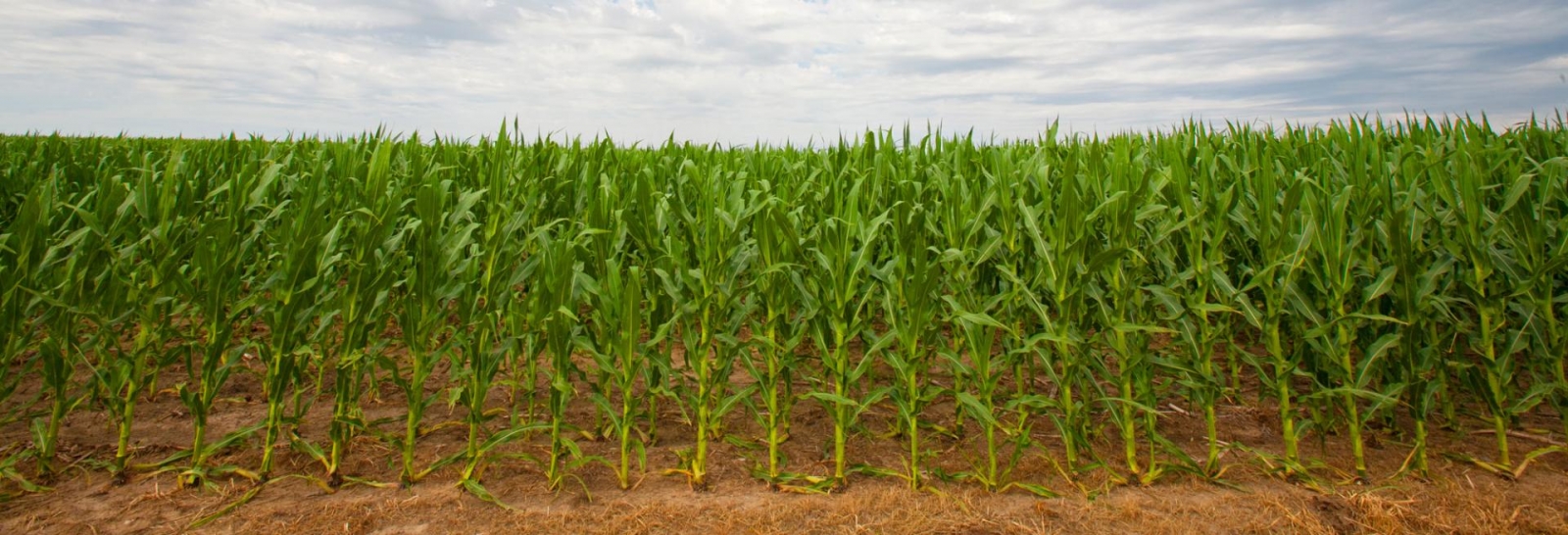
Corn silage harvest may seem like a long way off, but preparation for a successful harvest begins now. Improper silage storage and fermentation can result in losses up to 20% prior to feeding. Plan your storage now to keep excessive storage losses from happening to you.
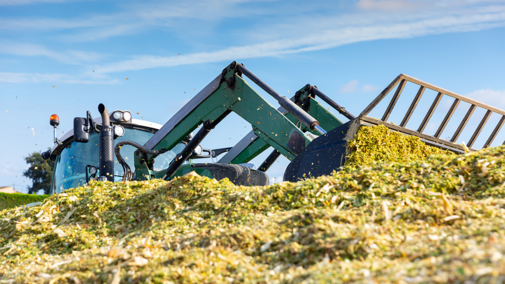
Preventing oxygen from entering your silage should be a top priority when considering silage storage. Bagged silage is a versatile option that allows the storage location to move year to year and comes with a built-in oxygen barrier but can carry a high price tag and may not be appropriate for large harvest amounts. Placing the silage in a bunker is another option that can increase oxygen exclusion, but make sure to check these structures for cracks and repair any that are found to maintain their integrity. If silage is a feedstuff on your operation, the reduction in losses that a permanent structure paired with covering the pile provides can offset the costs when spread out over several years.
Silage piles are the more traditional approach and can allow for greater volumes of silage to be stored in a smaller area without the cost and permanent nature of bunkers. Oxygen exclusion in piles that lack a permanent structure can be enhanced with some planning. Before harvesting, line the sides with bales and place oxygen-limiting plastic down the sides and for several feet under the bottom to seal the sides of the pile. At a minimum, placing plastic on top of the pile is an investment worth the time, labor and money. By covering the pile, we can reduce oxygen from moving into the pile from the top and reduce precipitation exposure.
Corn silage is a valuable feed resource and keeping oxygen out of your silage requires planning now. Pick an appropriate location for harvest and feedout success, and store silage correctly to minimize feed losses.
Common Mullein Control
Common mullein is an invasive biennial weed that can spread rapidly into pastures. First year seeds prefer to germinate and form rosette plants in disturbed or tilled soils. Then, second year mullein plants enter the bolting stage, developing yellow flowering seed head spikes. Due to recent mild winters, mullein winter survival has been high.
For controlling small infestations, hand-pulling or digging can be effective, especially before plants produce seeds. Make sure to remove the entire rosette or sever the root below the soil surface. Repeated mowing when plants are in the bolting to early flowering stage can reduce seed production, but mowing low-growing rosettes is generally not effective. Remember that spring seed germination can be problematic for years after weed seed is produced.
Herbicide control can be a challenge due to the dense, woolly mullein leaves hindering absorption and single mode of action herbicide usage has led to some herbicide-resistant populations. Effective control usually requires chemical application either during the first-year rosette stage OR prior to seed development during the second-year bolting stage. Note that non-ionic surfactant or crop oil concentrates must be included with most herbicide applications to overcome the woolly mullein leaves.
The most effective labelled control products in UNL studies, which must be applied to rosettes prior to spring bolting, include Remedy®, Tordon®, Milestone®, Graslan®, MezaVue™, and Chaparral™. A fall application can control common mullein before it overwinters, but the herbicide will not persist and control new spring seedlings.