Late Summer Pasture Weeds
August always seems to be a time when certain weeds become quite noticeable in pastures. That is especially true of areas that have had abundant summer rains and in pastures that have relatively thin grass stands, where animals congregate, or if some overgrazing has occurred.
Common pasture weeds include annuals such as sunflowers, lamb’s quarter or kochia and perennials like western ragweed, ironweed and verbena.
Spraying weeds now does little good as many weeds are too large to kill. In species that produce seed, herbicides might only reduce some seed production. If the goal is to improve appearance, shredding areas that have an abundance of weeds might be the best option, and may reduce some seed production, if it’s not already too late.
Two other approaches are better for long-term weed control. First, focus on the grazing management of your pastures with an overall goal to increase the health, vigor and density of your grass. Use the proper stocking rate and develop a good rotational grazing plan. Healthy, competitive grass stands are essential to reduce weed populations economically over time.
Second, target herbicide applications for when they will do the most good. Both perennial and annual species can be better targeted with a spring application when plants are smaller and therefore easier to control. For perennials, if a second application is needed, waiting closer to a killing frost is best. These fall applications can be more effective as more product is translocated down to the roots.
Pasture weeds may look unsightly now but hold off on spraying. Improve grazing management and time herbicides for the best window of control so herbicides won’t be needed as often in the future.
Corn Silage Harvest
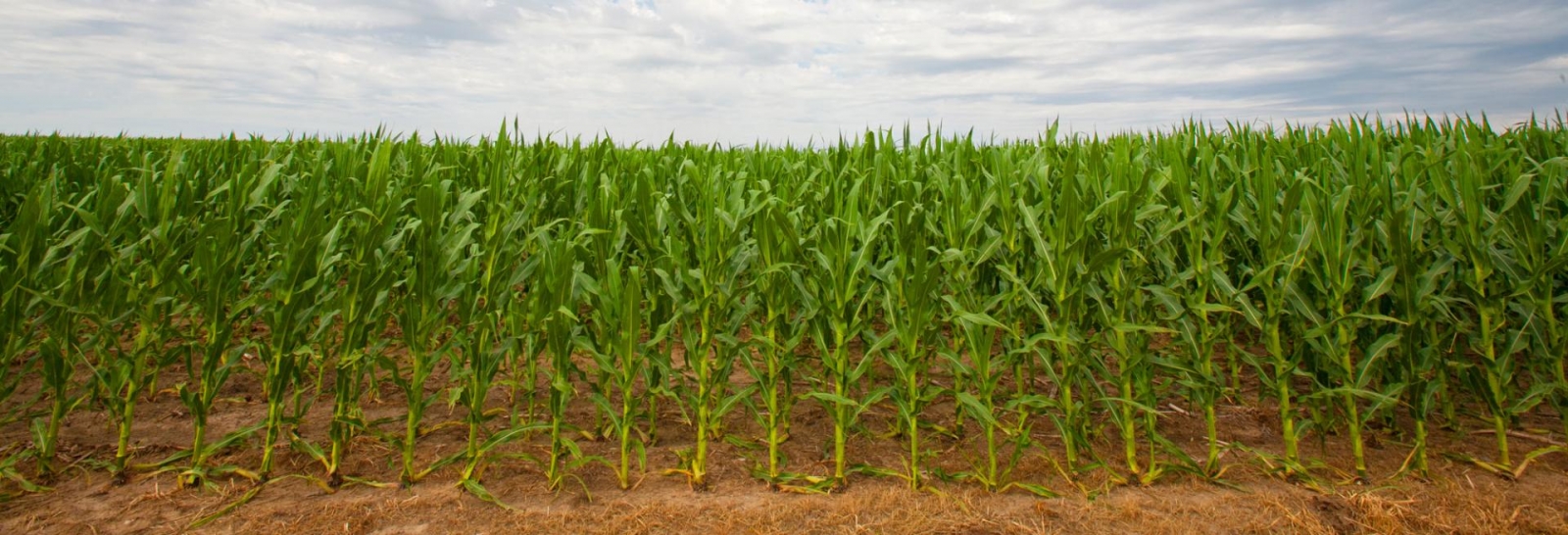
Silage harvest for fully irrigated full-season corn usually begins 45 days or 800 GDDs after the tassel/silking growth stage. However, growing conditions and the season length of the plant itself can make predictions based on the calendar fuzzy at best.
Accurately assessing whole plant moisture is key to proper silage pile fermentation and tight packing. If silage is too dry then packing is difficult and may allow oxygen into the pile causing overheating, mold/yeast/bad microbe growth and spoilage. When the silage moisture content is too high, piles can weep with valuable energy and nutrients flowing out as a loss from the pile. Also, damaging clostridia bacteria colonies can grow when silage is too wet. So, target silage storage moisture content should be 65–70% moisture.
Another factor to consider for silage chopping is milk line (a corn kernel starch content indicator). Starch is one of the most energy-dense feed components, so silage that contains higher amounts of starch will be higher energy overall. The further down the kernel milk line is established. the more starch content has been stored in the kernel.
Plant moisture and milk line may not be directly correlated and may vary among hybrids. While these development factors trend in the same direction, the moisture content may vary from field to field, even if milk line is the same.
Corn silage is a great feed resource that can benefit from moisture content monitoring at harvest. Target harvesting silage at 65-70% moisture content for best results. Use the ear kernel milk line (closer to the cob means more starch and higher energy silage) to find your ideal harvest window based on your hybrids.
PRF Insurance Deadline is Coming Up
December 1 may seem like a long way off, but it’s just around the corner. Before we know it, it will be time for family to visit, holiday preparations to begin, and producers to make decisions about Pasture, Rangeland and Forage insurance, commonly called PRF.
PRF insurance provides producers with the opportunity to insure 70%–90% of the expected grid index precipitation, in 5% increments, across a series of two-month intervals throughout the year. PRF is an area-based insurance plan that covers perennial pasture, rangeland or forage used to feed livestock.
PRF provides producers with a risk management tool to help manage the risk associated with the precipitation needed to produce forage for their operation. However, it is important to remember that PRF does not guarantee that a pasture will produce a certain amount of forage.
With the December 1 deadline approaching, producers should give themselves time to review their acres, rainfall history, coverage levels, selected intervals, and premiums with their insurance agent. If pasture or hay ground is one of your operation’s biggest resources, when was the last time you looked at how you are protecting it from drought?
Now is the time to think about whether you want to make any changes to your PRF coverage. Some questions I encourage producers to ask themselves include:
- Did my operation change?
- Did I add or remove pasture?
- Did my grazing strategy change?
- Are my selected intervals still the most important months for my operation?
- Has my need for drought risk protection changed?
These are just a few questions to consider when reviewing your PRF coverage. Don’t wait until December 1 to start the conversation. Take some time now to review your coverage and talk with your insurance agent about whether your current PRF policy still fits your operation.
For more information about PRF, visit the Center for Agricultural Profitability or contact your local crop insurance agent.