Fall Pasture and Hay Ground Soil Sampling
Fall is a popular time to collect soil samples from pasture and hay fields for nutrient testing. Time invested in soil sampling generally provides a good return on investment versus soil lab testing costs. Samples should be randomly gathered before the ground freezes with one composite sample per 15 probe samples (mixed in a plastic bucket) and used for the actual lab testing sample. Ideally, each sampling probe location should be geotagged using a cell phone or other alternative marking methods. Consistency in sampling depths and using the same locations for repeat sampling years with increase comparison accuracy.
For extremely dry or lightly frozen soils, auger probes usually work better than standard cheaper straight cylinder probes. If lots of samples are needed, consider using a hydraulic soil sampling probe with a pickup mount or four-wheeler to increase consistent eight inch-depth sampling.
For cropping or hay acres, each annual sample might represent two acres on a grid or 40-plus acres in a field. Conversely, pastures are only core samples once every three to four years with two composite samples per rotational pasture. The key is knowing where soil types change and then gather representative samples from the different zones. For example, lower elevation hay meadows nutrient levels are likely higher than side slopes or plateaus. So, splitting pastures into testing zones may be useful and reduce overall fertilizer costs.
Whether you take samples in the fall or spring, be consistent and account for winter mineralization. Warmer average winter temperatures may result in more soil microbe mineralization and thus more nutrients available for spring root update. So, it may pay dividends to recheck soil nutrient levels in the spring and compare to fall tested levels.
In Nebraska, well nodulated, established alfalfa fields usually fix their own nitrogen needs from the air or soil, so the main alfalfa fertility focuses are usually pH, phosphorus and potassium. Sulfur content levels may also be analyzed with sandy, low organic matter soils.
For native grass hay and pastures, soil water content is the most limiting factor rather than fertility. Livestock producers may still benefit from pH, phosphorus, potassium and sulfur fertility testing, especially for differing pastures and soil texture zones comparison. Again, it is recommended to soil test pasture every three to four years and at establishment.
More information regarding pasture and hay fields soil sampling is available on CropWatch and UNL Beef.
Winter Conditions and Insect Mortality
Cold winters help prevent many potential pest insects from being established in Nebraska or require species that cannot survive our winters to migrate from southern states each year. The insects that are adapted to overwinter in Nebraska have several methods for avoiding winter conditions.
A few of our most significant pasture and forage pests spend the winter in protected sites that keep them insulated from freezing temperatures. Alfalfa weevils overwinter as adults in leaf litter and debris near alfalfa fields, while stable flies and horn flies spend the winter as pupae in winter hay feeding sites or below cattle dung pats, respectively. Face flies overwinter as adults and find shelter in attics, barns and sheds.
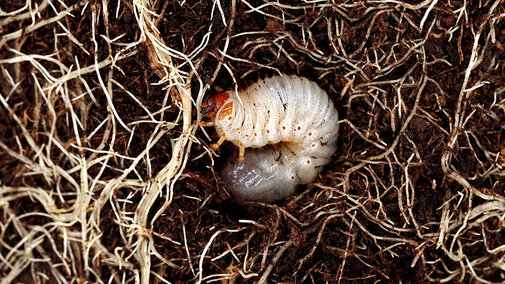
Other important insect pests overwinter below the soil surface; army cutworms spend the colder months in soil as larvae, while grasshoppers overwinter as eggs in the soil of pastures, ditch banks and fence rows. While soil temperature is dependent on many factors, it generally does not fluctuate significantly, even during extreme cold snaps. Soil that is covered by crop residue or snow will be further protected from bitter air temperatures. This means that the insects overwintering belowground are protected as well.
Even though insect pest populations will undoubtedly survive whatever this coming winter brings, remember that beneficial insects like parasitoids and natural predators will survive too!