Forage Water Use
When mother nature fails to provide rain, knowing forage water use is important for both dryland and irrigated crops. Forages vary greatly in water-use efficiency (the amount of forage produced for each inch of water used), and knowing ahead of time is important. In general, warm-season — or C4 — forage crops are more water efficient than cool-season — or C3 — crops. Annual forages also tend to use water more efficiently than perennial forages.
For example, warm-season annual grasses such as sudangrass and sorghum-sudangrass may require about 2.5–3.5 inches of water per ton of forage produced. Cool-season oats require roughly 4.5–5.5 inches per ton, while alfalfa generally requires still more water per ton of production. Knowing production goals and water efficiency can help decide which crop may be best to plant.
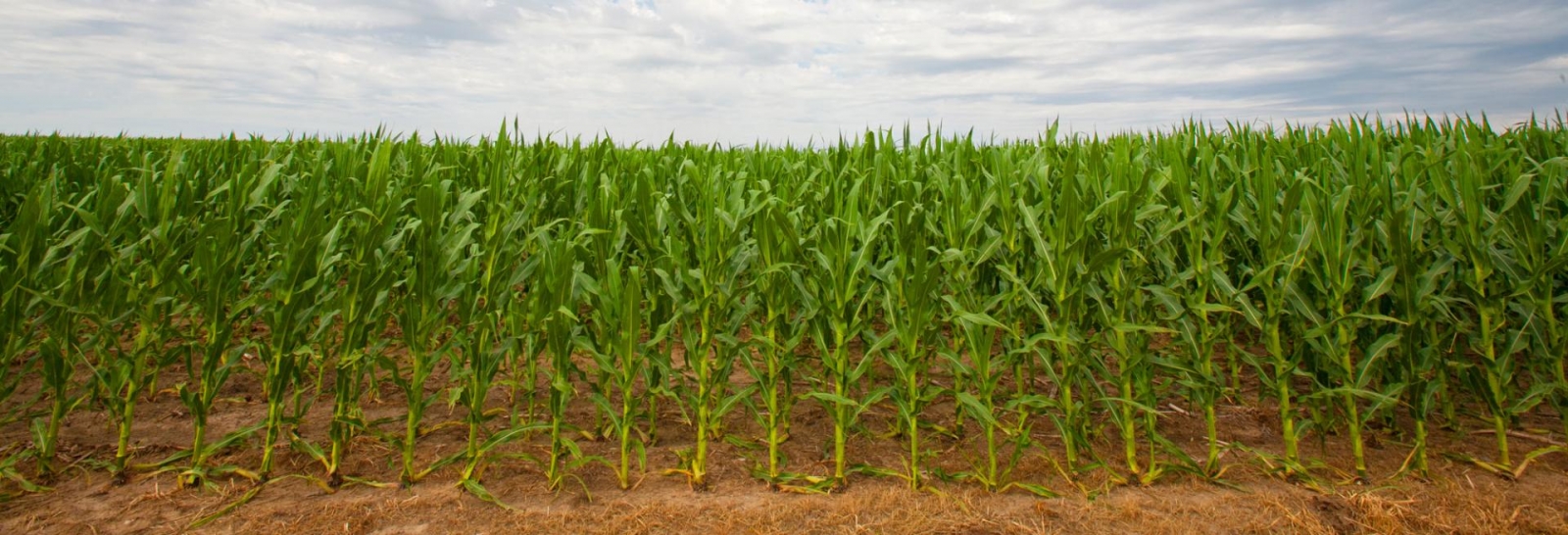
Decisions can be made during the growing season as well. Harvesting corn for silage rather than grain can reduce seasonal water use when supplies are limited. Silage is normally harvested several weeks earlier than grain, ending crop water demand sooner and potentially eliminating some late-season irrigation. This can make silage an attractive option while still producing a large amount of feed.
Where water supplies are restricted further, millet can be a good option for efficiently producing forage, although its total biomass potential may be less than some other summer annuals. In UNL research at North Platte, adding just 2.22 inches of irrigation water produced just over 2 tons of millet per acre. Yield increased to about 3.5 tons with 4.62 inches of irrigation. Additional irrigation beyond that produced little additional forage.
Choosing the right forage when irrigation water is limited means balancing yield potential with how efficiently that crop uses available water. More information is available in Nebraska Extension NebGuide G2012, “Forage Production with Limited Irrigation.”
Inoculants For Corn Silage
Corn silage success rests on proper harvest, packing and storage practices. When we need a boost, adding an inoculant at harvest can help improve fermentation and storage, but we need to know what products to use to get the best result.
Silage inoculants are bacterial cultures that help manage fermentation by converting plant sugars to acids. This lowers pH and helps limit molds, fungi and undesirable bacteria.
When selecting an inoculant, first decide whether the goal is faster, more efficient fermentation, better stability during feedout, or both. Homolactic bacteria help fermentation get started faster and pH drop quickly. Bacteria like Lactobacillus plantarum help fermentation happen more quickly, preserving dry matter for feed. This can be especially important on hail-damaged crops that have been stripped of leaves or if harvest is outside of the ideal moisture window. A quicker ferment can reduce spoilage.
Other inoculants, like the heterolactic acid bacterium Lactobacillus buchneri, can improve aerobic stability by reducing spoilage when silage is re-exposed to air. These bacteria can be especially useful when bunker faces are too wide to keep fresh or when several days-worth of feed are removed at one time. Keep in mind that L. buchneri works slowly, so silage should remain ensiled for roughly 45–60 days before opening to receive the full benefit.
If both situations are a concern, combination products are available.
The purpose of inoculants is not to fix a train wreck or improve a perfect silage year. Instead, they can serve as an insurance policy when conditions aren’t ideal, helping reduce spoilage losses and maintain silage quality.
Adding Grass to Thinning Alfalfa
Do you have a thinning, low-producing alfalfa stand but aren’t quite ready for a complete reseeding? These stands can sometimes be rejuvenated by interseeding grasses to increase hay production in subsequent years or convert the field to pasture.
Most alfalfa fields begin to lose stand and production potential after several years of hay production. When this occurs, interseeding a grass can help maintain hay yield and quality. Orchardgrass is the most common interseeded grass into alfalfa, but endophyte-free tall fescue, smooth or meadow brome, festulolium, and wheatgrasses also can be used. If the field will be used as pasture, a mixture of grasses may work well, but select species that fit your soils, moisture conditions, and grazing goals.
Whether irrigated or dryland, interseeding following a mid-August to early September hay harvest can provide good establishment conditions. Dryland establishment carries more risk because timely moisture will be needed for germination and seedling growth. Seeding should be done as soon as the August or early September harvest is complete.
If the existing alfalfa is relatively thick, another cutting may be needed once the alfalfa begins to form a full canopy. This keeps sunlight reaching the new grass seedlings below.
Seeding rates vary depending on the grass species and thickness of the existing alfalfa. With orchardgrass, for example, as little as 3 pounds per acre may be adequate in a relatively thick alfalfa stand, while up to 6 pounds per acre may be appropriate in a very thin stand.
Next spring, evaluate how well the new grasses have established. If seedlings still seem weak, cutting hay early can open the canopy and provide more sunlight for continued grass development.