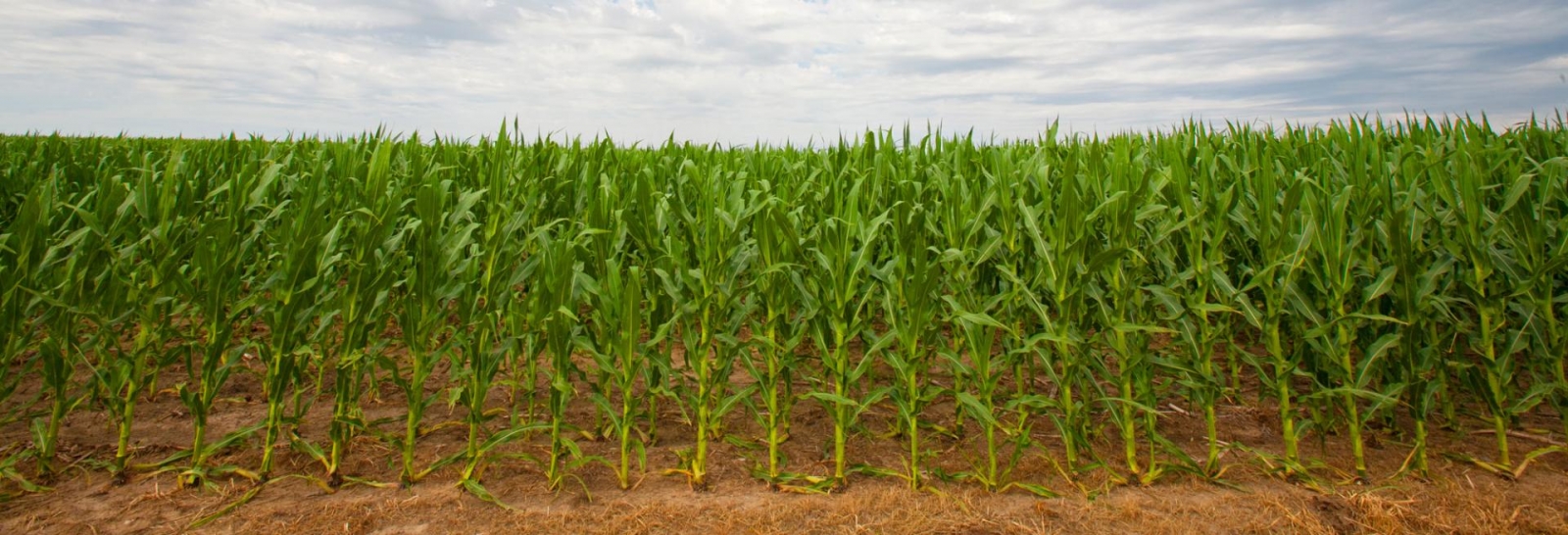
Kernel Processing for Quality Corn Silage
High-value silage depends on maintaining chop quality throughout harvest. Do you know how to reliably monitor your silage quality?
Energy from corn silage comes mainly from starch in the grain. After consumption, the outer seed coat impedes starch digestion. To counteract this, many modern choppers are fitted with a kernel processor that physically crushes or damages the grain and stalks, improving digestibility. Correctly setting these rollers is critical. Too close and machine wear increases; too far apart and the kernels aren’t broken, decreasing digestibility.
To achieve high-quality silage, catching any problems with the processor as soon as possible is critical.
To do this, grab a sample from the pile using a 32-oz. cup at least once an hour during harvest. Then:
- Spread the sample out on a flat surface, like a card table near the pile; or
- Put the sample into a bucket of water. The kernels will sink to the bottom, and stalks and leaves will float. Skim or drain off the top layer.
- Count all the kernels that are ½ inch or greater in size.
For both methods, the goal is to have two or fewer whole or ½-inch kernels in your count. Anything over that and word can be passed to the chopper operator to adjust the processing.
For those who don’t have access to a kernel processor, keeping chop length short can help accomplish similar results. Shortening chop length to 3/8-inch for machines without a processor will do more kernel damage while maintaining a similar fiber particle size. For those whose priority is not particle size, mostly beef producers, dropping down to a ½-inch chop length will damage even more kernels and provide the additional benefit of helping achieve a better pack.
Seeding Fall Forages
If grazing is one of your goals for a fall cover or forage crop, planting date matters. Every week we wait now means less growing season and less fall production. While seeding early is best, some species handle later planting dates better than others.
For fields available now through the end of August, oats or spring triticale are good options for fall forage. Brassicas like turnips or rapeseed can also be added. These winter-sensitive species generally produce lots of high-quality fall growth and typically need 40–60 days of growth before grazing. Later-maturing forage varieties can help keep small grains vegetative and maintain quality longer, making stockpiling for winter grazing an option.
As planting moves into September, especially following corn silage, cereal rye or winter triticale become better choices. Fall production may be lower, but these crops survive winter and provide spring forage. A simple oats and rye mix can split the difference — oats provide fall growth while rye comes back next spring. If spring forage is the priority, avoid grazing winter-hardy species too short this fall; leave about four inches of growth to protect spring forage potential.
After later corn or soybean harvest, expectations need to change. Rye can still establish, but most of its forage value will come the following spring.
Before planting, check herbicide rotation and grazing restrictions from the previous crop.
If grazing this fall is your forage goal, the sooner we can get seed in the ground, the better.
Adding Grass to Thinning Alfalfa
Do you have a thinning, low-producing alfalfa stand but aren’t quite ready for a complete reseeding? These stands can sometimes be rejuvenated by interseeding grasses to increase hay production in subsequent years or convert the field to pasture.
Most alfalfa fields begin to lose stand and production potential after several years of hay production. When this occurs, interseeding a grass can help maintain hay yield and quality. Orchardgrass is the most common grass interseeded into alfalfa, but endophyte-free tall fescue, smooth or meadow brome, festulolium and wheatgrasses also can be used. If the field will be used as pasture, a mixture of grasses may work well, but select species that fit your soils, moisture conditions and grazing goals.
Whether irrigated or dryland, interseeding following a mid-August to early September hay harvest can provide good establishment conditions. Dryland establishment carries more risk because timely moisture will be needed for germination and seedling growth. Seeding should be done as soon as the August or early September harvest is complete.
If the existing alfalfa is relatively thick, another cutting may be needed once the alfalfa begins to form a full canopy. This keeps sunlight reaching the new grass seedlings below.
Seeding rates vary depending on the grass species and thickness of the existing alfalfa. With orchardgrass, for example, as little as 3 pounds per acre may be adequate in a relatively thick alfalfa stand, while up to 6 pounds per acre may be appropriate in a very thin stand.
Next spring, evaluate how well the new grasses have established. If seedlings still seem weak, cutting hay early can open the canopy and provide more sunlight for continued grass development.