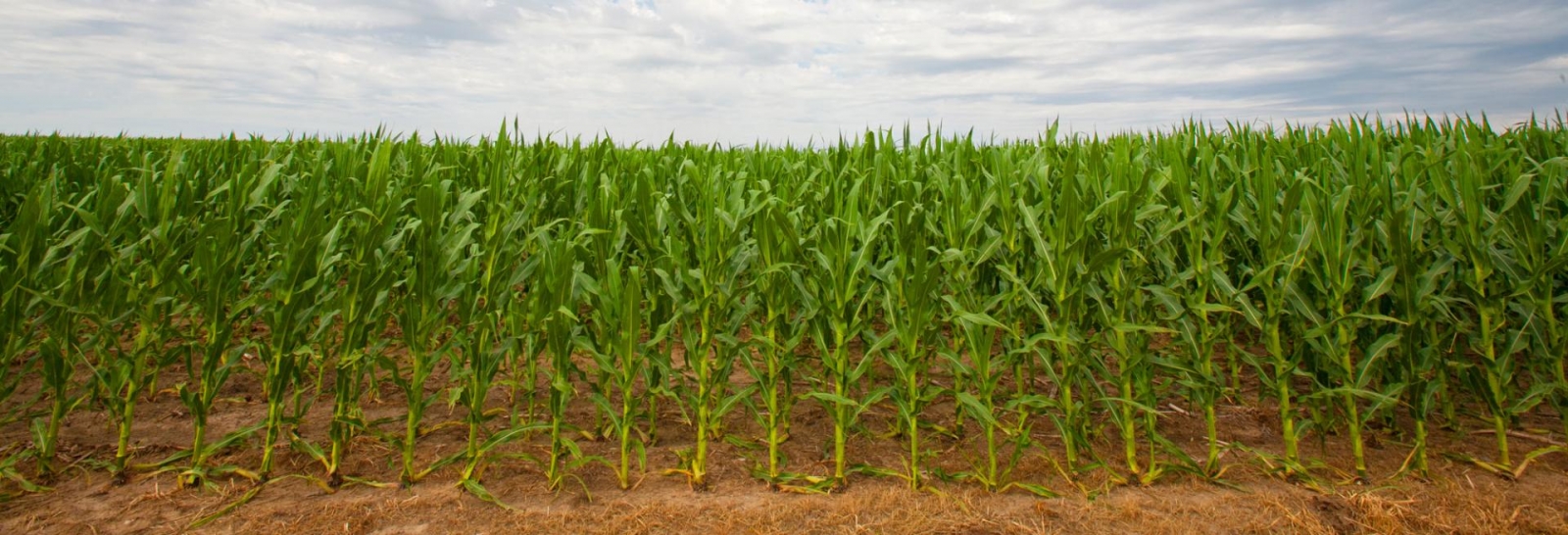
This summer, organic farmers across Nebraska invited fellow producers and the public onto their farms for field days.
The first field day drew 30 attendees Aug. 7 to the Schuchardt farm near Elgin in northeast Nebraska. Rick and Jane Schuchardt operate the farm with their son, Philip, and grow organically certified corn, soybean, oats and alfalfa. They plant cereal rye as a cover crop after corn, which is terminated with moldboard plowing.

To improve soil structure and reduce tillage, the Schuchardts experimented with roller crimping in 2026. What was supposed to be a 1-acre roller-crimping test plot ended up being about half of the 40-acre field, while cereal rye in the other half of the field was terminated using the plow. Field day attendees noted considerably fewer weeds in the soybean growing in the roller-crimped field compared to soybean growing in the tilled field.
The group also saw the Schuchardts’ corn and alfalfa fields before having lunch in their beautifully restored wooden barn and ending the field day with lively conversation and new connections.

On Aug. 12, 24 farmers and community members gathered at Hintz Produce Farm in south-central Nebraska near Hebron for an engaging evening field tour focused on diversified and organic farming. The tour offered participants a firsthand look at a farm producing vegetables, grain, alfalfa, eggs and meat while transitioning nearly 70 acres to organic production. Host farmers Ben and Ellen Hintz shared their experiences with the transition, including the second year of organic alfalfa production. Participants explored the farm’s diversified crops, high tunnel, geothermal greenhouse and hogs raised under rotational grazing.
A key focus of the evening was integrated pest management. Attendees learned how to scout for and manage alfalfa pests, including alfalfa weevils, aphids and blister beetles. They also engaged in insightful discussions on pest management and marketing as they toured the tomato, potato, squash, watermelon, cantaloupe and pumpkin fields. The hands-on experience and open discussion made the evening informative, practical and engaging.
Join Us Sept. 22
The final organic production field day of the year will be held on Tuesday, Sept. 22, in central Nebraska. Clear Frontier and Nebraska farmer Levi Messersmith will invite participants to explore another innovative approach to reducing tillage in organic farming systems. In their irrigated fields, corn is no-till planted into established alfalfa stands using a row stalker. Corn is not fertilized and weeds are suppressed only by the living alfalfa.

Participants will be able to see the system firsthand and hear Messersmith’s observations on its performance regarding weed and insect pressure, corn yields and profitability. This event is free and includes lunch. Online registration is now open.
We were able to offer these events at no cost to attendees thanks to our generous sponsors, USDA’s Transition to Organic Partnership Program and Nebraska Extension.