Key Takeaways
Tailor management to each field. Every field will require a different management approach.
Protect valuable residue. Residue is one of the most valuable tools for conserving soil moisture.
Control weeds early. Fallow weeds should be controlled before they remove moisture and produce seed.
Time herbicide applications strategically. Split herbicide applications may improve control when multiple weed flushes are expected.
Use residual herbicides wisely. Residual herbicides can be effective tools, but activation depends on precipitation.
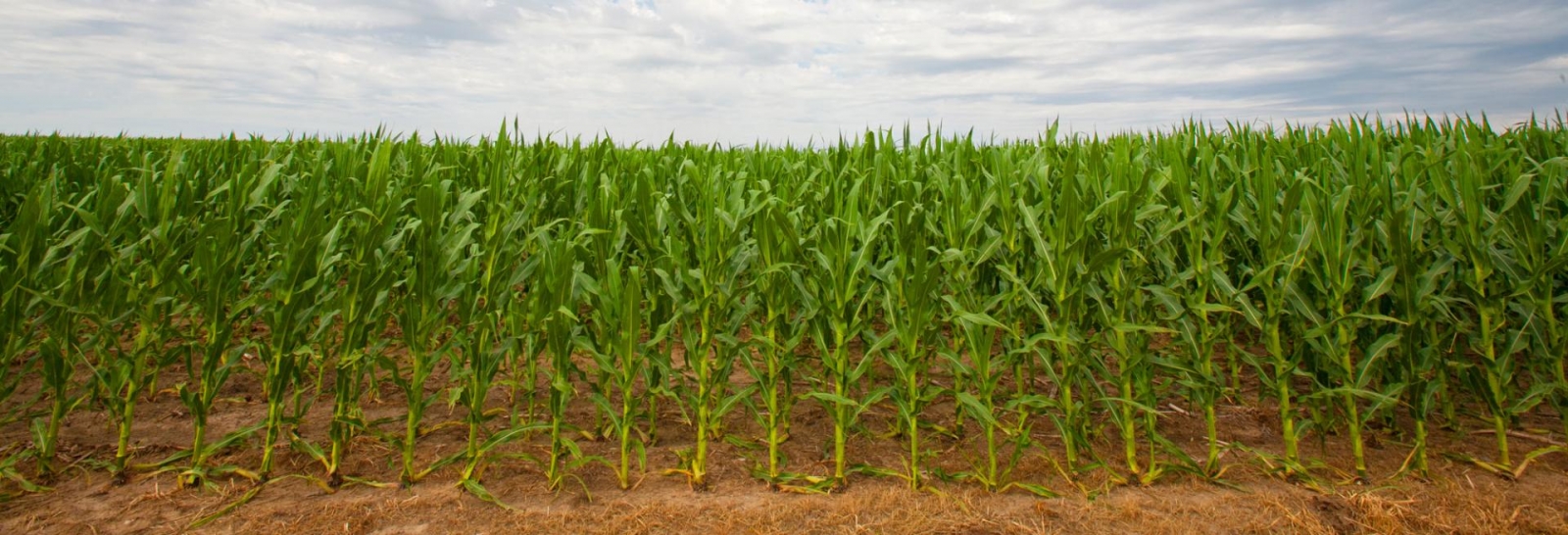
Think beyond wheat harvest. Decisions made following the wheat harvest can directly influence moisture availability and weed pressure for the following corn crop.
Nebraska producers using ecofarming practices are familiar with managing wheat stubble after harvest, but 2026 presents a different set of challenges. Across much of the state, drought and late spring freeze injury limited both grain yield and residue production, leaving many fields with substantially less surface cover than normal. As a result, post-harvest management decisions become even more critical because every inch of stored soil moisture and every pound of remaining residue may influence the success of the following corn crop.
Why Is This Year Different?
Many Nebraska wheat fields entered winter under favorable planting conditions, but subsequent challenges affected crop growth and residue production:
- Limited winter precipitation and snow cover
- Prolonged drought conditions
- Late spring freeze injury
- Reduced grain yields and biomass production
- Fields hayed, grazed, terminated, or abandoned
As a result, residue levels vary considerably across fields, creating challenges for moisture conservation, weed management, and preparation for next year's crop. Consequently, residue levels left behind should guide post-harvest management decisions throughout the summer. Fields with greater residue generally conserve more soil moisture and better protect the soil surface, while fields with limited residue are more vulnerable to evaporation, erosion and weed establishment. Evaluating residue levels early helps producers prioritize practices that preserve available resources and improve conditions for the following corn crop.
Why Wheat Residue Matters
Residue is often the first line of defense against moisture loss and soil degradation.
| Yield* | Residue | |
|---|---|---|
| bu/ac | lb/ac | tons/ac |
| 5 | 500 | 0.25 |
| 15 | 1,500 | 0.75 |
| 30 | 2,000 | 1.50 |
| 60 | 6,000 | 3.00 |
| *Estimated numbers | ||
Benefits of Maintaining Residue:
- Reduces soil-water evaporation
- Improves precipitation infiltration
- Protects against wind and water erosion
- Moderates soil temperature
- Suppresses weed emergence
- Improves water availability for the following crop
Estimated Wheat Residue Production:
Rule of Thumb: Approximately 100 lb of residue is produced for every bushel of wheat harvested.
What This Means in 2026-2027
Many drought-affected fields may have less than 1 ton/ac of residue available, while irrigated wheat fields may retain 2-3 tons/ac or more. Consequently, management strategies may differ substantially between fields.

Once harvest is complete, the primary objective shifts from maximizing wheat yield to protecting resources for the next crop. In Nebraska's dryland and limited-irrigation environments, stored soil moisture is often the greatest factor influencing corn establishment and yield potential. Every management operation should therefore be evaluated based on whether it conserves or removes valuable soil water.
Priority #1: Preserve Soil Moisture
Stored soil moisture is often one of the most valuable resources available for next year's corn crop. Every inch of soil water may increase the yield of corn or grain sorghum by approximately 12 bushels the following year.
Ask Yourself: "Will this management decision conserve moisture or increase moisture loss?"
Management Considerations:
- Maintain residue cover whenever possible
- Minimize unnecessary residue disturbance
- Control weeds before they remove valuable soil moisture
- Capture and store precipitation when rainfall occurs
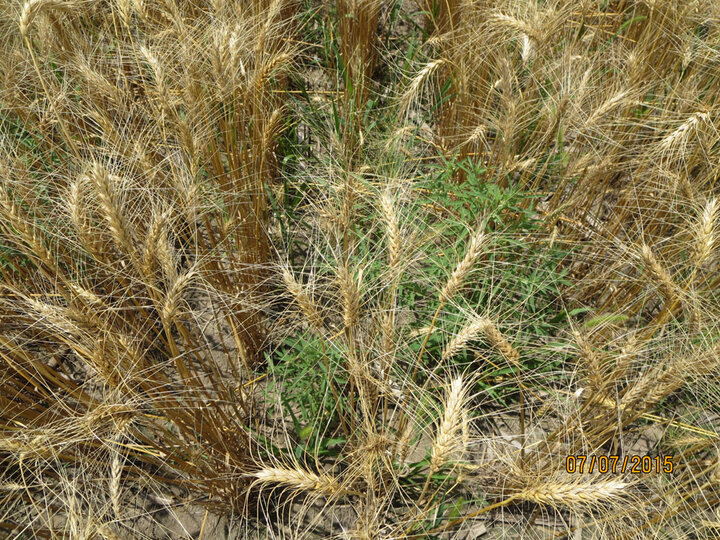
Weed management after wheat harvest is about much more than maintaining clean fields. Weeds compete with the following crop by removing soil moisture and nutrients, while also replenishing the weed seedbank, which may increase future management costs in following years. Under drought conditions, allowing weeds to grow, even for a short period, can result in unnecessary water loss that cannot be easily replaced.
Priority #2: Prevent Weed Seed Production
Poor wheat stands and reduced residue often allow greater weed establishment and growth.
Goal: Control Weeds Before They Produce Seed
Common weeds following winter wheat including kochia, Russian thistle, horseweed (marestail), volunteer wheat, pigweed species, and annual grasses. Not an exclusive list, may vary by region and herbicide options used before wheat harvest.
Why Early Weed Control Matters:
- Use stored soil moisture
- Competing for nutrients
- Replenish the weed seedbank
- Increase future management costs
There is no single herbicide program that fits every field. The best strategy depends on residue levels, weed pressure, expected rainfall, and the length of the fallow period before the next crop. Rather than following a standard program, producers should adapt their approach to current field conditions while keeping moisture conservation as the primary objective.
Priority #3: Match Herbicide Programs to Conditions
Goal: Conserve moisture and reduce weed pressure, but programs should be adapted to field conditions.
| Management Approach | Timing | Best Suited For | Primary Objectives |
|---|---|---|---|
| Single Application | Post-harvest |
|
|
| Split Application (First Pass) | Post-harvest (July to August) | Fields where additional weed emergence is anticipated later in the season |
|
| Split Application (Second Pass) | Late summer to early fall (August to September) | Fields with continued weed emergence or extended fallow periods |
|
| When Split Applications May Be Most Beneficial | Decision Factors |
|
|
Residual herbicides can complement post-harvest weed management, but their success depends heavily on environmental conditions. Because these products require rainfall for activation, expected precipitation should be considered alongside weed pressure and crop rotation plans when selecting an herbicide program.
Residual Herbicides: Benefits and Limitations
Residual herbicides may help suppress future weed emergence and reduce the number of applications needed.
Potential Benefits: Extended weed suppression, reduced seed replenishment, improved water conservation.
For additional herbicide options for post-harvest wheat stubble management, refer to Nebraska Extension NebGuide EC130, “Guide for Weed, Disease, and Insect Management in Nebraska” (pp. 116–122). Always consult current labels for specific use directions and crop rotation restrictions.
Important Reminder: Residual herbicides require precipitation for activation. Without timely rainfall, control may be delayed, performance may be reduced and weed escapes may occur. Always consider crop rotation restrictions and expected rainfall before selecting a residual herbicide program.
Field Condition | Primary Concern | Management Focus |
|---|---|---|
| Low residue + high weeds | Moisture loss and weed seed production | Weed control as early as possible |
| Low residue + low weeds | Evaporation and erosion | Preserve residue |
| High residue + high weeds | Seedbank buildup | Control weeds while preserving residue |
| High residue + low weeds | Water conservation | Maintain residue and monitor weeds |
Final Considerations
Although every wheat field will look different this year, the principles for successful post-harvest management remain the same. Producers should evaluate residue levels soon after harvest, preserve existing residue whenever possible, control weeds before they remove valuable soil moisture or produce seed, and select herbicide programs based on field conditions rather than a one-size-fits-all approach.
Because drought has reduced residue across many Nebraska fields, decisions made in the weeks immediately after harvest may have a greater impact on soil moisture conservation and the success of the following corn crop than in a typical year. Ultimately, successful post-harvest management is not just about controlling weeds; it is about conserving soil moisture, protecting the soil surface, and creating the best possible conditions for the following corn crop.
Acknowledgments
This article summarizes information presented during the 2026 Henry J. Stumpf International Wheat Research Center Annual Field Day and draws upon Nebraska Extension resources developed over many years. The author gratefully acknowledges the late Robert N. (Bob) Klein, professor emeritus and Nebraska Extension cropping systems specialist, whose decades of leadership and contributions to dryland cropping systems, residue management, soil water conservation and post-harvest weed management continue to benefit Nebraska producers and agricultural professionals. Much of the information presented here builds upon CropWatch articles and extension publications authored and co-authored by Bob Klein and colleagues.
References
- Klein, R.N. 2016. The Value of Wheat in a Crop Rotation. CropWatch, University of Nebraska–Lincoln. Available at: https://cropwatch.unl.edu/2016/value-wheat-crop-rotation/
- Klein, R.N. 2019. Managing Wheat Residue and Controlling Weeds. CropWatch, University of Nebraska–Lincoln. Available at: https://cropwatch.unl.edu/2019/managing-wheat-residue-and-controlling-weeds/
- Klein, R.N. 2019. Post-Harvest Weed Management in Wheat. CropWatch, University of Nebraska–Lincoln. Available at: https://cropwatch.unl.edu/post-harvest-weed-management-wheat/
- Klein, R.N. 2020. Controlling Weeds After Wheat Harvest. CropWatch, University of Nebraska–Lincoln. Available at: https://cropwatch.unl.edu/controlling-weeds-wheat-after-harvest/
- Creech, C.F., Klein, R.N., and Proctor, C.A. 2022. Weed Control in Wheat Stubble Difficult This Year? CropWatch, University of Nebraska–Lincoln. Available at: https://cropwatch.unl.edu/2022/weed-control-wheat-stubble-difficult-this-year/