
Use the following key to help identify seven nutrient disorders observed in Nebraska corn and sorghum.
| Symptom identification key for nutrient deficiencies in corn and sorghum. Select the best descriptor for your symptoms. | ||||
| A1. | Symptoms appear first or are more severe on older and/or fully expanded leaves Select B1. or B2. | B1. Symptoms advance from leaf tip towards the base; no interveinal chlorosis Go to D | ||
| B2. Symptoms begin as interveinal or marginal chlorosis Go to E | ||||
| A2. | Symptoms appear first or are more severe on younger leaves Go to C | |||
| C1. | Symptoms are prominent interveinal chlorosis or necrosis; veins are prominent over length of leaf | Iron deficiency | 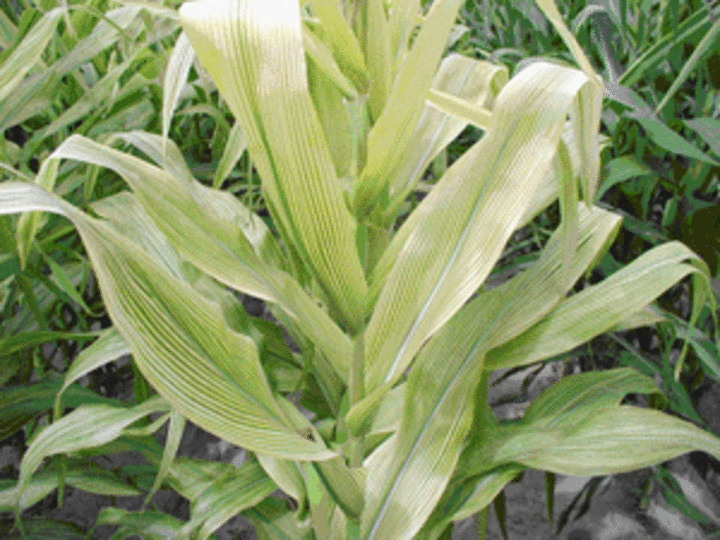
| |
| C2. | Symptoms begin as lesions, broad bands, or marginal leaf tips of chlorotic tissue or as generalized yellowing; veins are not prominent * Go to F | |||
| D1. | Pale green plants; chlorosis or necrosis advance from the leaf tip along the midrib (Courtesy of the International Plant Nutrition Institute) | Nitrogen deficiency | 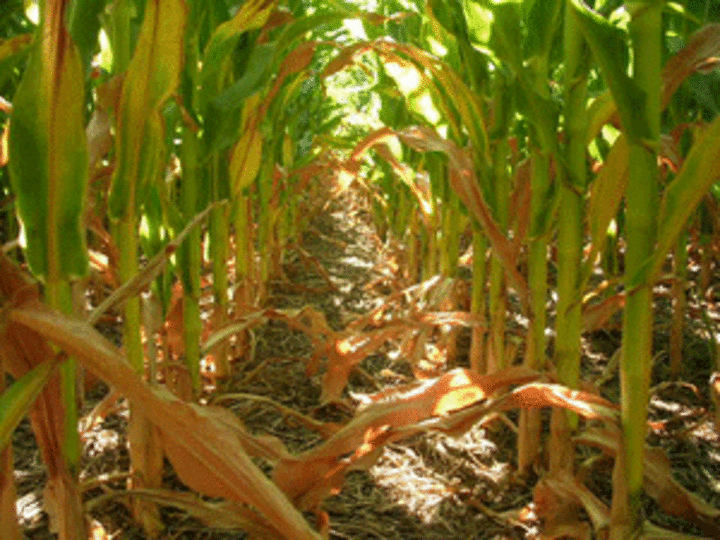
| |
| D2. | Dark green plants; dark yellow chlorosis advancing along purple color (Courtesy of the International Plant Nutrition Institute) | Phosphorus deficiency | 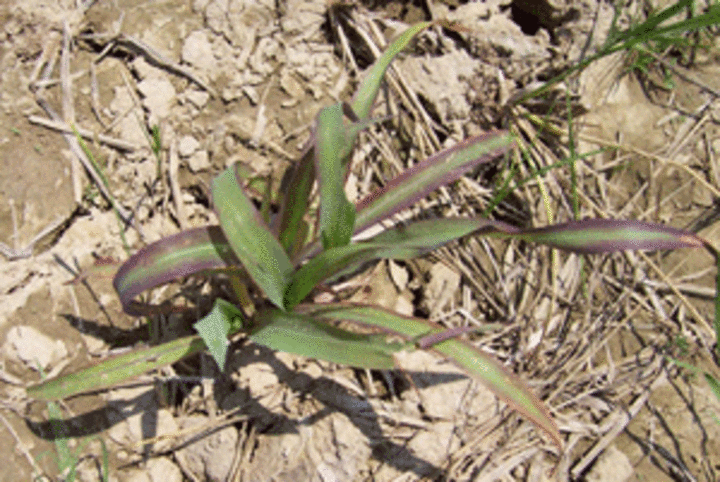
| |
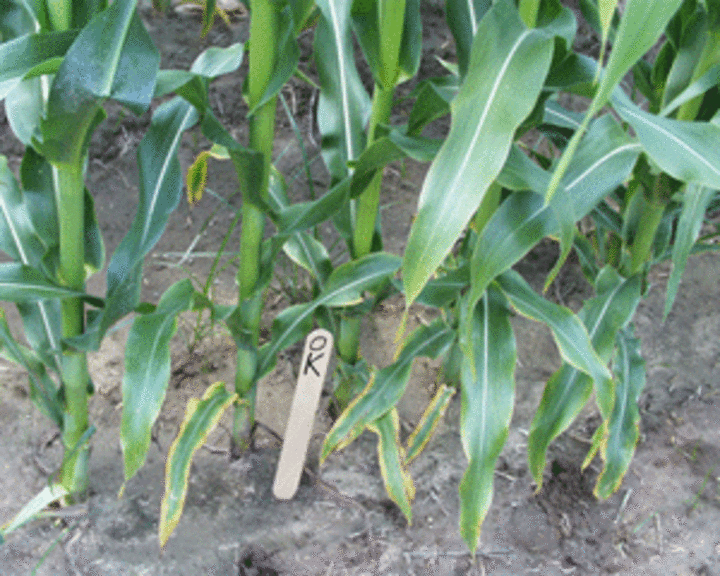
| E1. | Dark green plants with chlorosis along the leaf margins developing to brown striping and necrosis (Courtesy of the International Plant Nutrition Institute) | Potassium deficiency | 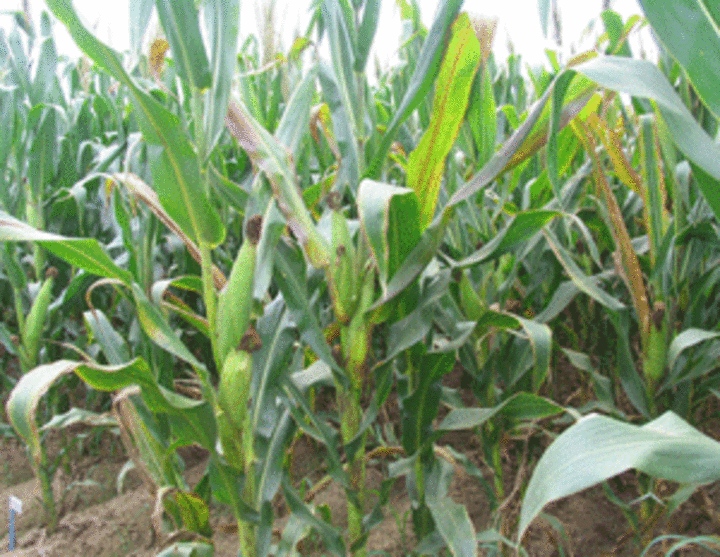
| 
|
| E2. | Green-yellow plants with dark yellow interveinal chlorosis advancing to rust-brown necrosis | Magnesium deficiency | 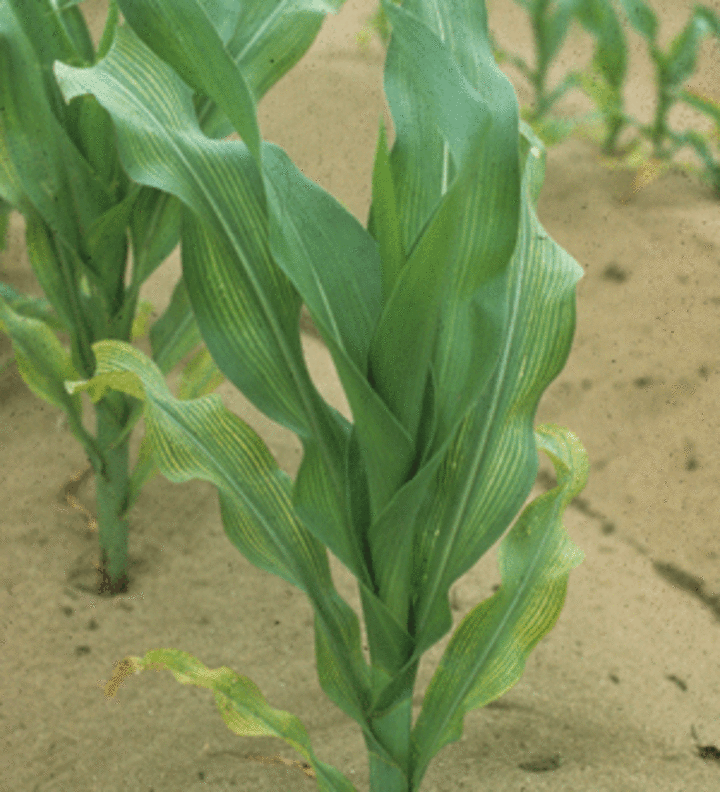
| |
| F1. | Pale yellow plants; uniformly yellow leaves without necrosis | Sulfur deficiency | 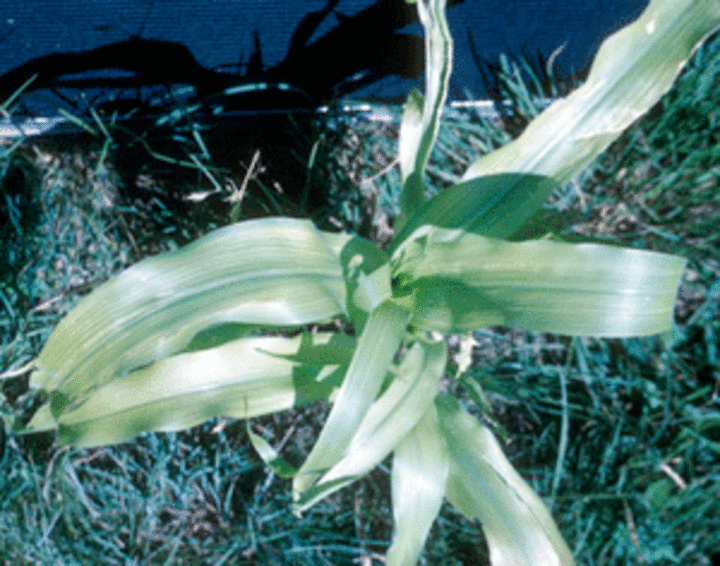
| 
|
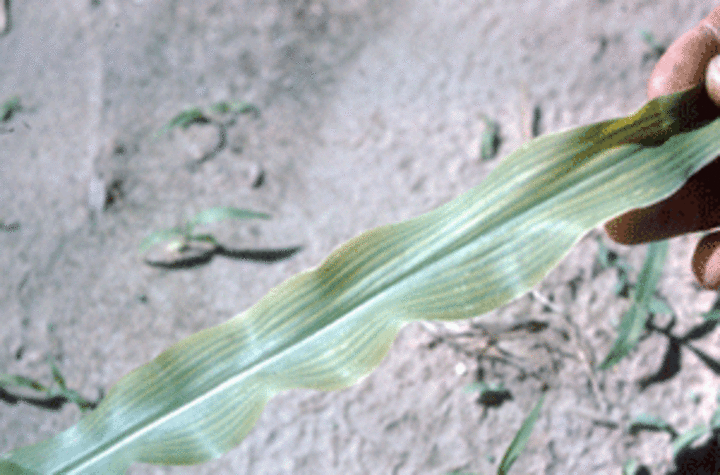
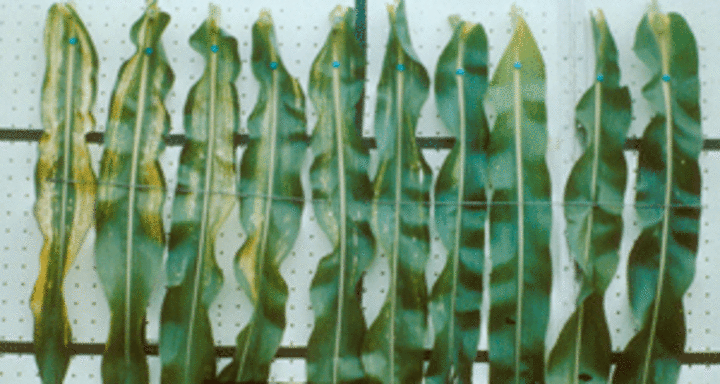
| F2. | Pale green plants; white to pale yellow bands in the lower half of the leaf which advance to pale brown or gray necrosis (Left photo courtesy of the International Plant Nutrition Institute) | Zinc deficiency | 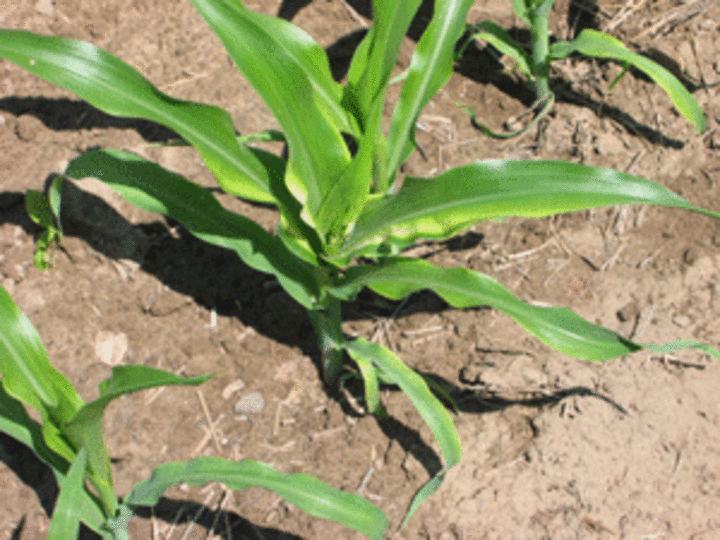
| 
|