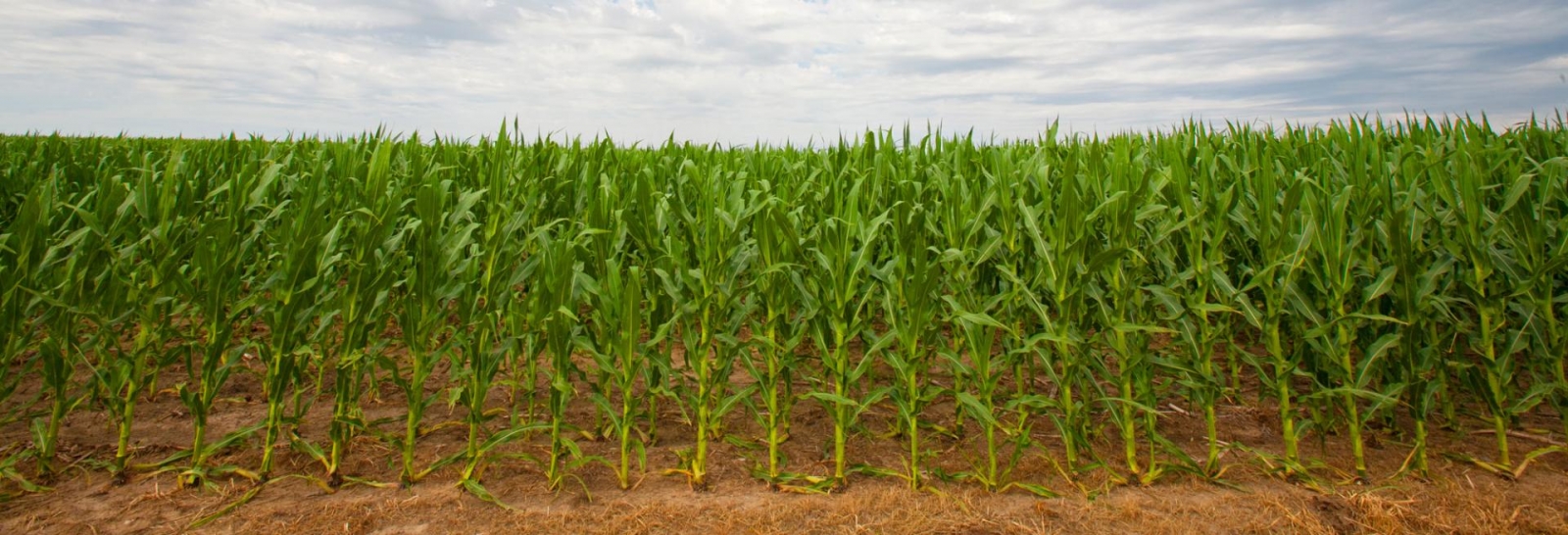
Excessive rainfall on mature crops can lead to harvest complications and reduced seed quality. In soybeans, these problems can include lodging, shattering, purple seed stain and even seed decay. Once fields dry out, harvest as soon as conditions allow and monitor seed quality closely. Before hauling, check for sprouting, disease, splits and foreign material that could result in discounts at the elevator.

Pod Shattering
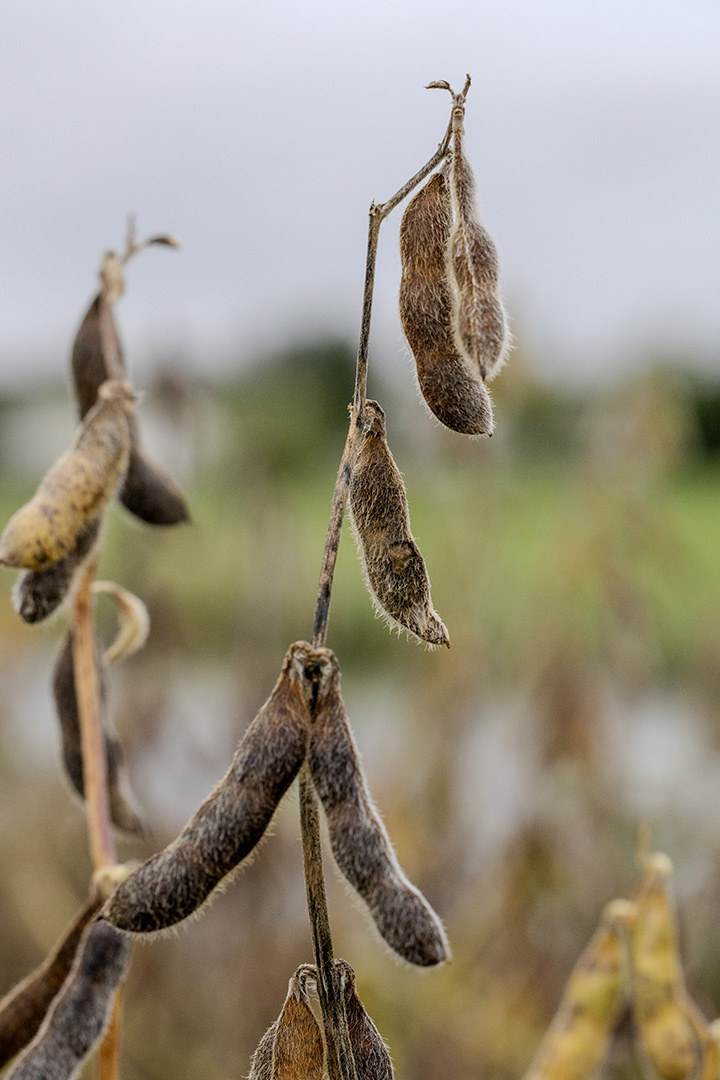
Pre-harvest pod shattering can occur when dry pods are rewetted. Harvest pod shattering occurs when grain moisture content is less than 13%. As soybean moisture decreases, shatter and harvest losses increase.
When assessing harvest shatter losses, approximately four soybean seeds per square foot equal one bushel per acre of loss.
Plant Lodging
Excessive moisture can support saprophytic fungi that break down plant tissue. Under these conditions, fungal activity can contribute. In low areas of fields and along waterways, lodging can occur when water rapidly enters and leaves the field. Lodged plants in contact with the soil or covered with mud, silt and debris are more likely to experience seed deterioration and reduced seed quality.
Sprouting in the Pod
In-pod sprouting occurs in a two-step process. First, seeds swell to a size large enough to break open the pod. This is observed when the pods mature but frequent rains, continuous drizzle or foggy days cause water to be soaked up by the pod wall, wetting the seed. The seed then swells and breaks open the pod. Once pods are opened, more water can reach the seed. If air temperatures are above 50°F and seed moisture increases above 50%, germination will start.
Purple Seed Stain
Infected seeds may appear healthy or have pink to purple spots that range in size from specks to large blotches extending from the hilum and may cover the entire surface (Figure 2). Yield is not affected by the seed phase of the disease, but crop value could be decreased if the seed is downgraded because of discoloration. Seeds with a very high percentage of discoloration have lower oil content and higher protein content compared with healthy seed. Germination and seedling emergence are lower in purple seed stain-infected seeds than in healthy seeds. However, this disease is primarily an issue in food-grade soybean or soybean grown for seed.

Diaporthe Seed Decay
Affected seeds are cracked, shriveled and often associated with fungal mycelium (white cottony filamentous growth) in the pod (Figure 3). Seeds may appear to be covered in a chalky, white mold as well. If planted, infected seeds may fail to emerge due to seedling blight caused by this fungus. Fields with excessive moisture are most likely to have pods containing fungal growth (Figure 4).

Virus Infected Seed
You may see other seed symptoms that resemble purple seed stain but are not caused by fungi or exacerbated by moisture. These include viruses such as Soybean Mosaic Virus (Figure 5) and Bean Pod Mottle Virus. These were not common issues in Nebraska in 2026.

What Elevators are Looking For
Elevators may use different evaluation methods depending on their location, standards and procedures, so it is important to check with your local elevator. In general, elevators will be watching for split seeds and may apply discounts if they are over a certain percentage in a load. Since splitting can be associated with in-pod sprouting, be sure to check fields before harvest for this issue.
Foreign material is another concern that elevators may evaluate in each load. Depending on the amount present, foreign material may also result in discounts. Foreign material can include stems, leaves and other plant debris. If sclerotia are present in the sample, they may also contribute to the percentage of foreign material in the load.
Purple seed stain is generally not a major issue, but if a truckload contains a high percentage of seeds affected by this disease, there is a chance the load could be rejected.
Before sending soybean to the elevator, take time to know what is in the trailer and call your local elevator to ask what it will be looking for when evaluating seed quality. This is especially important when hauling soybean from fields where wet conditions have delayed harvest or where sprouting, disease or lodging may have affected seed quality.