Key Takeaways
Organic crop production is a small but vital component of Nebraska agriculture.
Organic insect pest management relies on well-designed, healthy systems and timely monitoring of pest species.
Beneficial insects and other arthropods play a key role in insect pest management and supporting these populations is critical.
Cultural methods, mechanical methods and approved products are available to help manage insect pest issues when needed.
Organic Crop Production in Nebraska
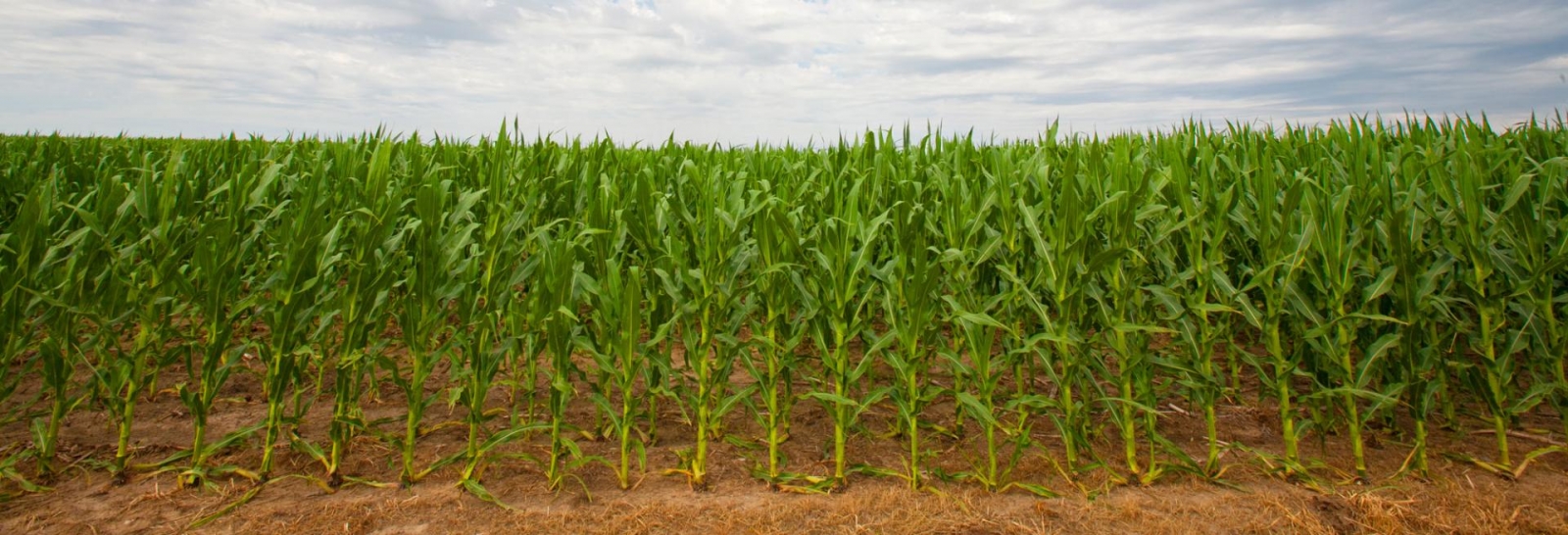
While Nebraska may not be a top producer of organic crops nationally, organic production does play an important role in the state. According to the 2021 USDA Organic Survey, there were 220 certified organic farms in Nebraska representing 140,417 acres. Sales from organically grown commodities totaled over $193 million in 2021. The primary commodities produced organically in Nebraska are corn (mainly field corn and popcorn), soybean, winter wheat, alfalfa hay and vegetables.
Transitioning to a certified organic operation can provide many long-term benefits including increased sustainability and resilience, reduced input costs, access to new markets, and improved soil and environmental health. However, there are challenges to overcome — one of the most significant is insect pest management. Because synthetic pesticides and transgenic hybrids are not permitted, successful insect management depends on prevention and timely intervention.
Insect Pest Management in Organic Cropping Systems
Pest management is a critical component of crop production, and organic operations are no exception. Insect management in organic systems isn’t just focused on the pest and its control but rather on the entire system, including beneficial organisms and how they interact with pest species.
This requires a shift in mindset and accepting that the goal is not to eliminate pest populations but to keep them below economically damaging levels
To be successful, organic producers must have a monitoring program that involves thorough and timely scouting, as well as a method for accurately identifying both pest and beneficial species. Additionally, USDA organic regulations for pest management highlight the requirements that producers must meet. The requirements are broken down into three levels: Level A — Prevention; Level B — Mechanical and Physical Methods; and Level C — Application of Allowed Materials.
Monitoring and Identification
Monitoring through scouting and trapping is a critical component of any pest management plan. In organic cropping systems, timely scouting and accurate identification of both pest and beneficial insects are essential for evaluating crop health and determining whether management strategies are working. In addition to scouting, producers can use several monitoring tools to keep an eye on insect populations, including sweep nets, pheromone traps, and sticky card traps.
Sweep nets (Figure 1) are an important tool for monitoring a variety of insect pests, including wheat stem sawfly, alfalfa weevil, Dectes stem borer, leafhoppers and others. They are often used to determine the presence and abundance of pests, as well as their distribution within a field. Sweep nets can also be used to determine the presence of beneficial insects like lady beetles, lacewings and parasitoids.

Sex pheromone traps (Figure 2) are particularly helpful for monitoring the flight of pest moth species such as western bean cutworm, corn earworm and fall armyworm. Generally, these traps involve a small bucket or container to capture the target pest and a pheromone lure that mimics the sex pheromone released by females of the species, which attracts males into the trap.

Finally, sticky card traps (Figure 3) can be used to monitor flying insect pests including thrips, fruit flies and aphids. The monitoring tool you use will depend on the crop, what you are trying to monitor, and the size of the area to be monitored.

Management Level A — Prevention
The first and primary focus of pest management in organic systems is prevention. This approach is based on the principle that healthy, well-designed organic systems naturally experience fewer pest problems because they support healthier crops and beneficial organisms, such as predators and parasitoids. Key components of this level include plant diversification, enhancing beneficial populations and prioritizing soil health.
Plant Diversification and Enhancing Beneficial Populations
Diversifying the plants on your operation to provide the necessary habitat for beneficial organisms can be achieved in various ways. Key practices include the integration of cover crops, trap crops and crop rotation. In most cropping systems, several beneficial species help keep pest populations in check. Organic systems often support a greater abundance and diversity of these beneficial organisms when suitable habitat and food sources are available.
Table 1 and Table 2 highlight common predators and parasitoids (insects — often wasps — which parasitize and kill other insects) in Nebraska cropping systems, the pest insects they prey on, and the habitat and/or food sources needed to support their populations in the field. Many of the food sources required for beneficial insects are also popularly used as cover crops, including clover, vetch, buckwheat, and other flowering species. Proper cover crop integration and termination timing are important because cover crops can sometimes serve as a “green bridge” for insect pests like wireworm and armyworm, allowing them to survive and move into the cash crop.
In some situations, trap cropping can be an effective method for limiting pest insect damage to your cash crop. Mustard is highly attractive to flea beetles, while buckwheat and millet can draw stink bugs and other hemipteran pests from the cash crop.
Finally, one of the most effective management practices available to organic producers is crop rotation. This practice, along with proper timing of planting, effectively breaks the life cycle of many insect pests, builds soil health, and can help with weed suppression. It is also required by USDA organic regulations.
Primary Predators | Pests | Attractive Habitat |
| Assassin bugs (family Reduviidae) | Aphids; leafhoppers; mites | Undisturbed areas of plant residue; goldenrod and milkweed |
| Big-eyed bugs (Geocoris sp.) | Alfalfa weevil larvae; mites; aphids; thrips; leafhoppers | Native flowering plants that bloom throughout season |
| Damsel bugs (family Nabidae) | Alfalfa weevil larvae; corn earworm | Fennel, caraway, mint, goldenrod |
| Ground beetles (family Carabidae) | Armyworm; cutworms | Undisturbed areas of plant residue; undisturbed soil (larvae); clover, vetch |
| Hover flies (family Syrphidae) (Figures 7 and 8) | Aphids; thrips; mites | Open, flat-topped flowers (dill, fennel, Aster family); variety to provide nectar and pollen all season |
| Lacewings (Figures 4-6) | Alfalfa weevil larvae; armyworm; corn earworm; European corn borer | Open, flat-topped flowers (dill, fennel, Aster family); buckwheat (cover crop); tolerable aphid infestation |
| Lady beetle adults and larvae (Figure 9) (family Coccinellidae) | Aphids; spider mites; alfalfa weevil larvae; European corn borer | Open, flat-topped flowers (dill, fennel, Aster family); tolerable aphid infestation |
| Minute pirate bug (Orius sp.) (Figure 10) | Insect eggs; corn earworm | Diverse flowering plants (herbs, perennials, annuals, shrubs) |
| Entomopathogenic Nematodes | Wireworms | Moist soil; high organic matter; soil cover (residue, mulch) |
| Rove beetles (family Staphylinidae) | Aphids; spider mites; alfalfa weevil larvae; armyworm | Cool, moist shelter (residue, mulch); undisturbed soil |
| Soldier beetles (family Cantharidae) | Insect eggs; aphids; armyworm | Goldenrod; milkweed; fennel; Aster family |
| Spiders | Most crop pests (spiders are generalist predators) | Crop residue/mulch; rock and stick piles; dense vegetation for web-builders |


Primary Parasitoids | Pests | Attractive Habitat |
| Tachinid flies | Cutworms; corn earworms; fall armyworm; grasshoppers; stink bugs | Small, open flowers (Apiaceae and Aster families); crop residue/mulch |
| Trichogramma wasps | European corn borer; corn earworm | Goldenrod; buckwheat; dill; fennel; Mint family |
| Synopeas wasps | Soybean gall midge | Small-flowered plants (alyssum, asters, callistemon, westringia); Herbs; undisturbed soil |
| Aphelinidae and Braconidae wasps | Aphids (see images below) | Small-flowered plants; dill; fennel; wild carrot |
| Bracon cephi and Bracon lissogaster | Wheat stem sawfly | Leave wheat, barley, and triticale stubble as high as possible (larval overwintering sites); Aster family; dill; fennel; wild carrot |


Prioritizing Soil Health
Soil health is the foundation of resilient, sustainable crop production because of its biological, physical and chemical properties. Biologically healthy soils support a diverse microbiome that enhances nutrient availability and stimulates plant growth. These soils also contain a variety of soil-dwelling arthropods that contribute to improved soil tilth (earthworms, ants), prey on pests (ground beetles, spiders), and break down organic matter (springtails, isopods).
A soil’s physical health, or tilth, is determined by the level of compaction, its ability to store water and its drainage capacity. Soils with good tilth have increased water infiltration from rain events or irrigation and support proper root growth.
The chemical health of soil is dependent on pH level, salt content, and the levels of available nutrients. Soil pH that is excessively high or low can alter microbial diversity, thus impacting organic matter breakdown and nutrient availability. High salinity, or salt content, can stress crops and negatively impact beneficial organisms, making plants more susceptible to insect pests. Soils with excessive levels of nutrients, particularly nitrogen, develop plants that are more attractive to insect pests like aphids. Chemically health soils further contribute to the development of healthy and resilient crops.
Enhancing and supporting soil health can be achieved through several practices that focus on the four principles of soil health: 1) Maximize continuous living roots; 2) Maximize biodiversity; 3) Minimize disturbance of the soil; and 4) Maximize soil cover. Effective practices include cover cropping, reduced tillage or no-till, and the use of organic soil inputs (compost, animal manure, etc.). Following these principles is crucial for improving soil health and sustaining it in the long term.
Management Level B — Mechanical and Physical Methods
If Level A is not sufficient to control an insect pest problem, mechanical methods can be employed to reduce or exclude pest insects by killing them outright or by modifying pest habitats. Key methods used in organic crop production include habitat management and release of beneficial organisms to help manage pest insect populations.
Habitat management in organic insect pest management often involves the removal of alternate host sites through sanitation efforts. Table 3 summarizes the alternative host species of several key insect pests. Management of these alternative hosts along field edges and ditches can mitigate the number of pest insects moving into crop fields.
Pest | Alternative Hosts |
| Alfalfa weevil | Clover (Trifolium spp.) and Vetch (Vicia spp.) |
| Dectes stem borer | Common cocklebur; giant ragweed; cultivated sunflower |
| European Corn Borer | Grassy weeds (foxtail, barnyard grass, etc.) |
| Soybean Gall Midge | Sweet Clover; Leadplant |
| True Armyworm | Grassy weeds (foxtail, quackgrass, goosegrass, nutsedge) |
| Wheat stem sawfly | Quackgrass, wheatgrass, brome, cheatgrass, wildrye |
Generally, supporting existing populations of beneficial arthropods through increased plant diversity and reduced disturbance is often a better option than releasing beneficials to an area. In some cases, released organisms may not remain in the area of release to provide the desired predation or parasitism, wasting time and money. However, there are some situations where this method can be beneficial.
One promising area of research is investigating the biocontrol potential of Bracon parasitoid wasps, which are introduced into wheat fields with significant wheat stem sawfly pressure through the beneficial bug baler project. In this project, researchers have successfully relocated wheat straw containing overwintering Bracon parasitoids from Sidney, Nebraska, to new release sites in Nebraska and Colorado to support biological control of wheat stem sawfly. Results suggest that loose straw produced more emerging Bracon than baled straw, indicating that a less compacted bale may improve survival during transport.
Researchers also recovered parasitoids attacking wheat stem sawfly after release at both sites, suggesting this approach may help establish or boost beneficial populations in wheat stem sawfly-infested areas.
Management Level C — Application of Allowed Products
If an insect pest issue cannot be managed through prevention or by mechanical/physical methods, the application of a product approved for use in organic systems can be carried out. Allowed products typically include biological and botanical compounds with inactive ingredients, spray oils, soaps and minerals. The list of approved products is extensive, and a detailed summary is beyond the scope of this article. To find products for organic insect pest management, please visit OMRI. You can also search for organic product labels using the CDMS label database.
Other Resources
- Habitat for beneficials from Xerces Society
- SARE guide to crop rotation on organic farms
- SARE guide to ecological insect management
- SARE guide for farming with soil life
- SARE guide for cover cropping for beneficial insects
- USDA Organic pest management tipsheet
- CDMS Product Label database
- OMRI Lists of products approved for organic use