Key Takeaways
Moth activity is increasing: Fall armyworm moth captures have increased in Nebraska Extension traps since the beginning of August, signaling that growers should begin checking alfalfa and pasture fields.
Scout before damage escalates: Fall armyworm caterpillars can be difficult to detect during the day, and feeding damage increases rapidly as they develop. The threshold for chemical control is 2–3 larvae/ft².
Early detection matters for management: Insecticide susceptibility declines as caterpillars grow. For larger caterpillars, chemical control may not be recommended, and cutting alfalfa may be an alternative depending on the time of season.
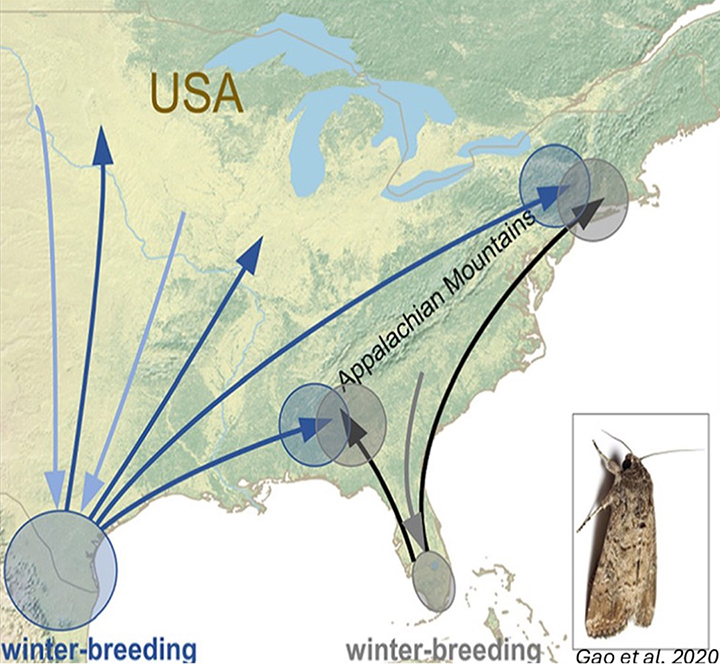
Fall armyworm occurs in Nebraska every year, migrating from overwintering sites in south Texas and south Florida (Figure 1). These migratory moths usually start appearing in Nebraska around midsummer and can persist through mid-fall (October).
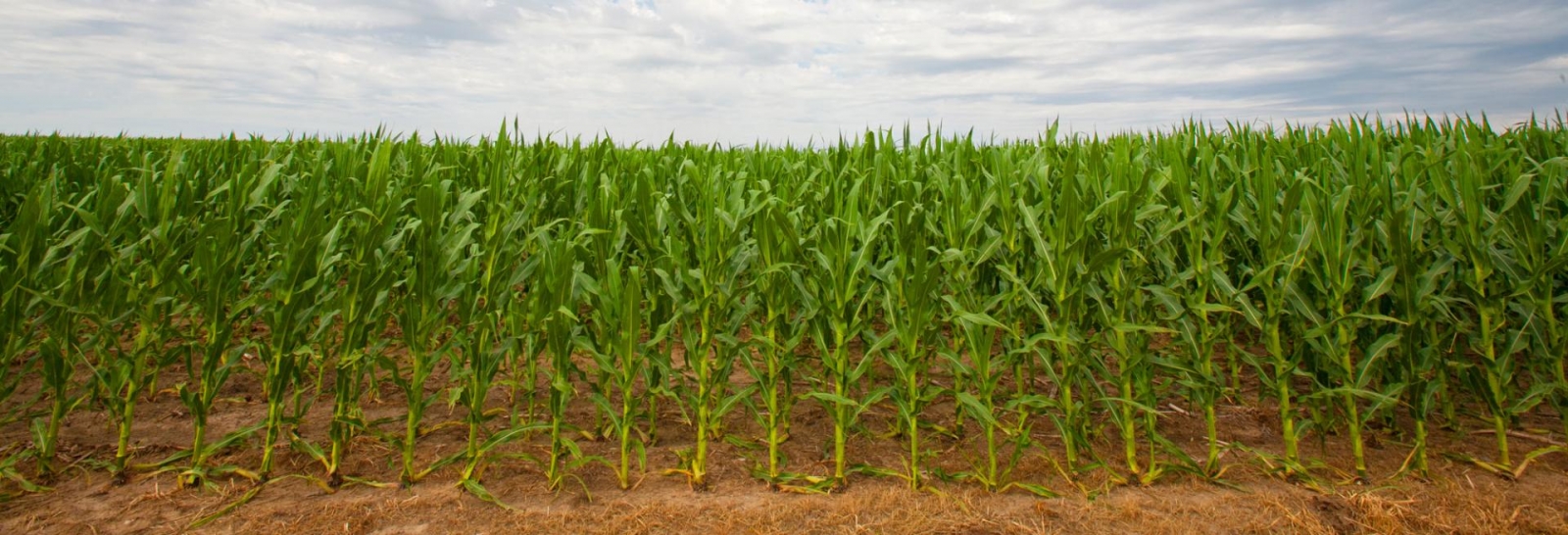
By the time fall armyworm moths arrive in Nebraska, most corn fields have reached advanced growth stages and are no longer vulnerable to caterpillar feeding, so damage is usually minimal.
However, alfalfa and other grass crops cultivated for grazing, haying or as cover crops can be severely damaged by fall armyworm caterpillars, as Nebraska growers experienced in 2025.
Detecting fall armyworm infestations is tricky because caterpillars hide on the lower canopy during the day. Leaf destruction increases rapidly as caterpillars develop, which occurs mostly at night.
The threshold for chemical control is 2–3 larvae/ft². Insecticide susceptibility depends on caterpillar stage, and it declines once they are larger (Figure 2).

Monitoring Fall Armyworm in Nebraska
The best approach to managing fall armyworm is early detection of moth arrival, which is critical for timing management decisions. This year, Nebraska Extension is conducting a pheromone trapping study in eastern Nebraska. We currently have traps set in alfalfa and pasture fields in Clay County and the Eastern Nebraska Research, Extension and Education Center (ENREEC), near Mead. Each trap has a rubber septum impregnated with a substance that simulates the female sex pheromone and attracts male fall armyworm moths (Figure 3).

Since the beginning of August, we have caught fall armyworm moths in increasing numbers in our traps. It’s important to note that the presence of moths in the traps does not necessarily mean an outbreak of fall armyworm caterpillars is coming, but it does mean it is time to check your alfalfa and pasture fields. For that, we recommend using a heavy-duty sweep net to detect early-stage caterpillars (Figure 4).

Scouting for Fall Armyworm
At least four sampling locations per field should target patches of damaged foliage and areas ahead of actively defoliated areas. If you cannot sweep your field, check the transition zones between browning and green areas for caterpillars hiding on the soil surface or at the base of the plants. Fall armyworm caterpillars have a smooth body, and identification is mainly based on an upside-down Y on the head and four dark spots at the end of the body (Figure 5).

When sampling fields, you may find other caterpillar species that can infest alfalfa and pasture, including variegated cutworm. For more information, see Nebraska Extension NebGuide EC1576, “Alfalfa Insects.”
Management Options
Several insecticides are available for chemical control, but selection should consider grazing and haying restrictions. In cases of higher infestation — especially with caterpillars larger than ¾-inch — chemical control is not recommended. Consider cutting alfalfa as a management option, especially when it is not too late in the season, as late cutting can compromise alfalfa winterization.
For more guidance on scouting, treatment options and frequently asked questions about fall armyworm impacts in forage, field and turf settings, see this CropWatch article on fall armyworm management.