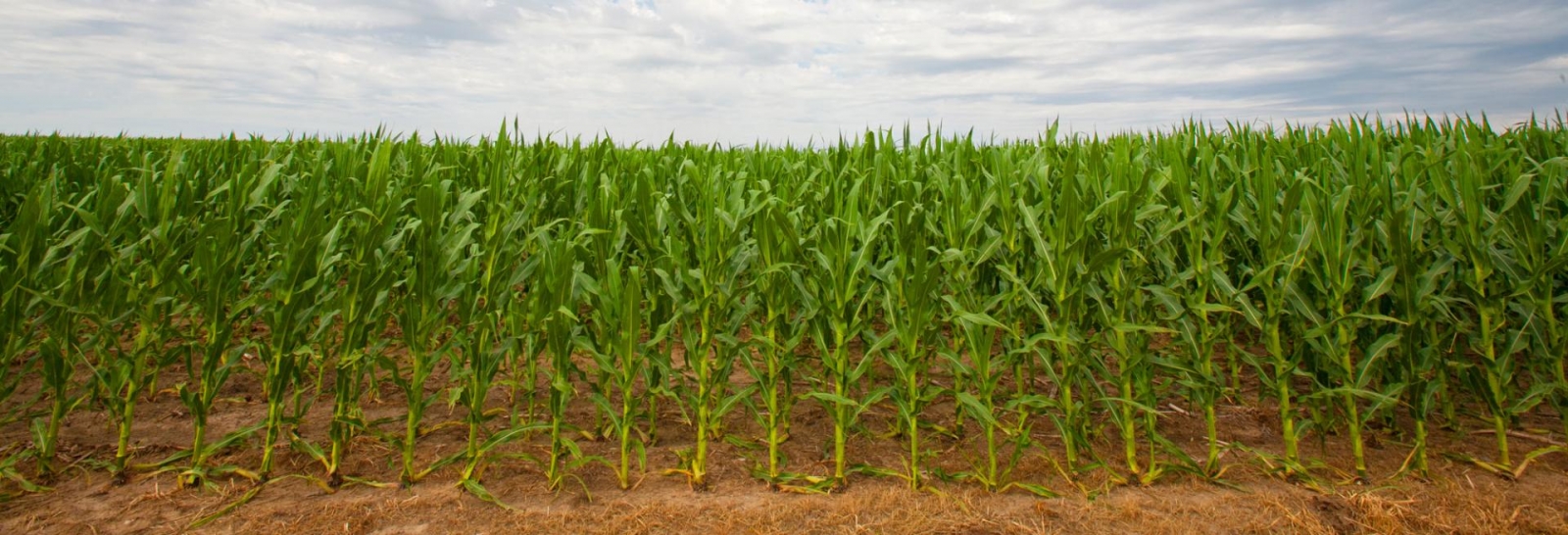
Corn leafhopper has not caused major yield losses in Nebraska to date, but earlier detections in the southern Great Plains this season make continued awareness and scouting important as corn moves through vulnerable early growth stages.
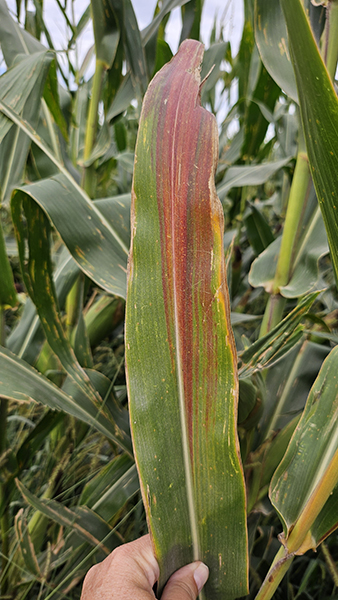
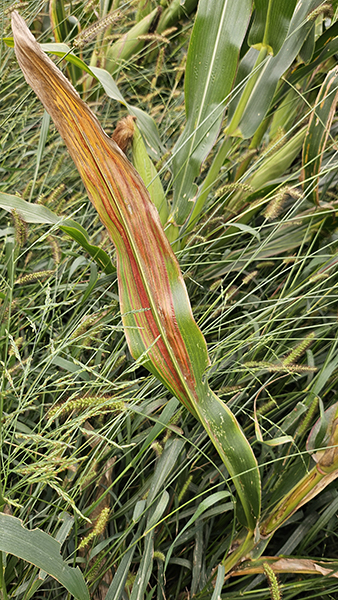
Corn leafhopper (Dalbulus maidis) (Figure 1) and corn stunt disease — caused most commonly by a spiroplasma pathogen carried by the insect — were first confirmed in Nebraska in 2024, as part of a broader northward expansion into 11 new U.S. states across the central and southern Great Plains and beyond. In 2025, corn stunt spiroplasma was confirmed in a sample from Valley County, Nebraska, indicating that infected leafhoppers had reached at least central Nebraska. Symptoms on that sample were typical of the corn stunt disease reported previously in Nebraska and other states, especially with purple/reddening of the leaves (Figure 2 and 3).

Similar discoloration can be caused by other factors, such as physical damage, ear loss, nutrient imbalances, and other diseases. Earlier corn leafhopper feeding and pathogen infection can cause more severe symptoms, including stunting and malformed ears.
In 2026, the corn leafhopper alert system has already reported detections in areas of south Texas and the Lubbock region. Last week, the insect was detected in a V6-stage corn field in Caddo County, Oklahoma. This detection occurred 18 days earlier than in 2025, suggesting that northward movement of the pest may be occurring sooner this season.
Although corn leafhopper and corn stunt disease remain important concerns, major yield losses have not been expected under Nebraska conditions to date. This is largely because infective leafhoppers have generally arrived after corn has passed its most vulnerable growth stages. The greatest yield losses occur when plants are infected from emergence through V8. Infections occurring after tasseling typically result in milder symptoms and minimal yield impacts.
Continued awareness and scouting remain important, particularly given the earlier detection reported in Oklahoma this season. Producers and crop consultants can monitor the latest reports through the interactive Corn Leafhopper Map. Suspected cases of corn stunt disease should be submitted to the UNL Plant and Pest Diagnostic Clinic for confirmation, or discussed with local extension personnel.