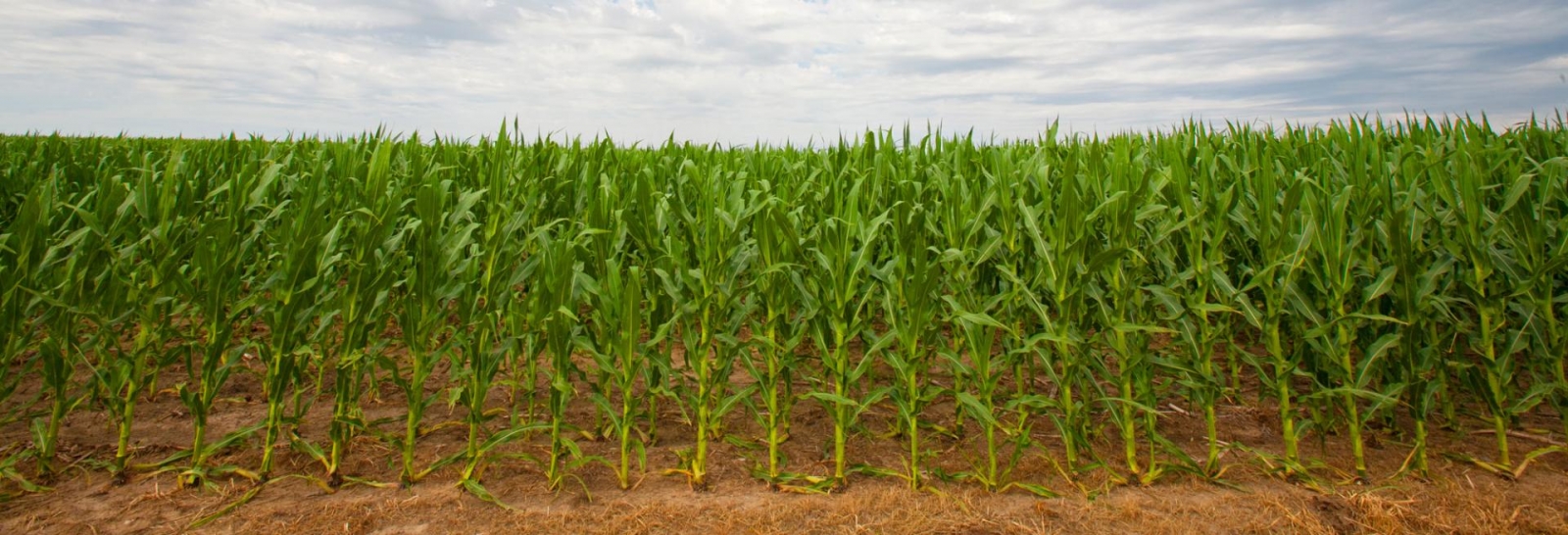
The weekly western bean cutworm update for July 10 in the Panhandle and southwestern Nebraska indicates moth flight has reached levels that signal it's time to begin scouting fields (Tables 1 and 2). Nebraska Extension recommends growers start scouting now to determine whether treatment thresholds have been reached.
| Location | 26-Jun | 3-Jul | 10-Jul |
| Box Butte (Alliance) 1 | - | 233 | 1014 |
| Box Butte (Alliance) 2 | - | 142 | 323 |
| Chase | - | 814 | 665 |
| Dundy | - | 951 | 1076 |
| Perkins-Stumpf | - | 408 | 1226 |
| Perkins 1 | - | 757 | 1112 |
| Scotts Bluff (Gering) | 25 | 597 | 1032 |
| Scotts Bluff (Mitchell) 1 | 83 | 1130 | 1206 |
| Scotts Bluff (Mitchell) 2 | 4 | - | 971 |
| Sioux (Henry) | 2 | 50 | 200 |
| Location | 26-Jun | 3-Jul | 10-Jul |
| Box Butte (Alliance) GN | - | 75/64 | 280/177 |
| Box Butte (Alliance) Pinto | - | 68/65 | 232/182 |
| Dundy | - | - | 1466/1295 |
| Scotts Bluff (Gering) | 27/25 | 278/193 | 569/453 |
| Scotts Bluff (Mitchell) | 4/65 | -/515 | 1152/709 |
| Sioux (Henry) | 6/2 | 61/130 | 478/477 |
For WBC moth flight data from other areas of Nebraska, visit the Great Lakes and Maritimes Pest Monitoring Network.
Western bean cutworm can be a serious pest in corn and dry beans. When their populations or infestations exceed thresholds, insecticide treatment is warranted and timely application is crucial for successful management. Moth flight data can be used to inform timing of in-field scouting and treatment. However, insecticide treatment decisions should not rely solely on moth flight data.
In corn, when peak moth flight coincides with the late whorl to early tassel growth stages, infestations can be severe.
For dry beans, if the cumulative moth catch at peak moth flight (50% emergence) per green bucket trap is less than 1,200, between 1,200 and 1,700, or greater than 1,700, the risk of significant damage is considered low, moderate, or high, respectively. This is a risk assessment only — actual bean damage and economic risk from larval feeding must be determined through scouting.
More information on scouting, treatment recommendations and insecticide options is available in the CropWatch article, "Scouting and Treatment Recommendations for Western Bean Cutworm."
Cumulative moth catch numbers will be updated weekly.
Green bucket traps are monitored by the University of Lincoln-Nebraska Panhandle Research, Extension and Education Center (UNL PREEC) Entomology Lab (Scotts Bluff and Sioux counties); John Thomas, Nebraska Extension Educator for Box Butte County; Samantha Daniel, Nebraska Extension Educator for Chase, Dundy and Perkins counties; and Vinicius Zuppa, Nebraska Extension Educator for Cheyenne County. Weekly trap data are compiled by UNL PREEC Entomology Lab.