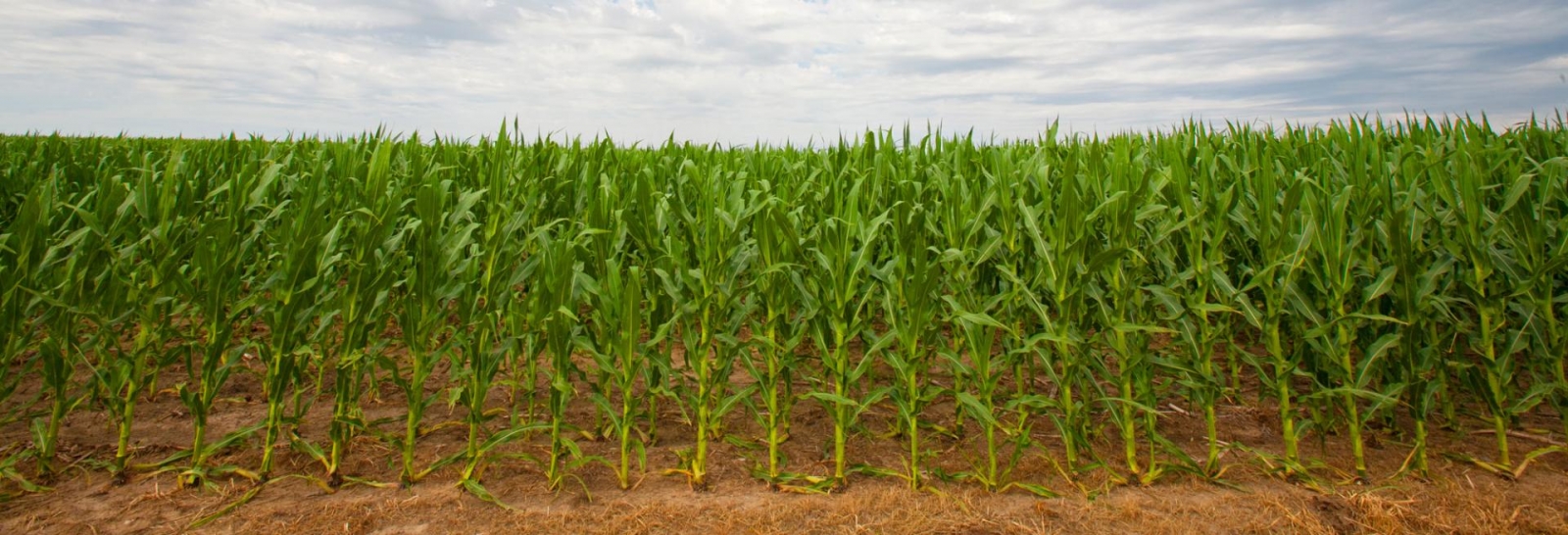
Drought can leave producers with non-irrigated corn that is unlikely to produce a profitable grain crop. Before terminating the crop, consider whether it has value as livestock forage. The best option depends on crop stage, expected yield, harvest logistics, herbicide restrictions and nitrate risk. While drought-stressed corn often contains elevated nitrate concentrations, nitrate risk can usually be managed successfully with the right harvest and feeding strategy.
Herbicide Restrictions: Start Here
Before making plans to graze or harvest drought-stressed corn, review the label for each herbicide applied to the field. Many herbicides include restrictions on grazing, haying, green chop or silage use, and these restrictions vary considerably among products.
Remember that:
- Tank mixes can complicate decisions because the most restrictive label always applies.
- If multiple herbicides were used, each label should be reviewed before feeding the forage.
- If you're uncertain about a product or restriction, consult your agronomist or Nebraska Extension before harvesting or grazing.
Only after herbicide restrictions have been met should the corn be considered as a feed source.
Crop Insurance
Before harvesting drought-stressed corn as forage, contact your crop insurance agent. Harvesting or grazing the crop before it is released by your insurance provider may affect your claim or future Actual Production History.
Grazing
Grazing is often the most practical option for short, vegetative drought-stressed corn. Although these plants may contain high nitrate concentrations, grazing generally presents a lower risk of nitrate toxicity than harvesting the crop as hay. Cattle consume the forage more gradually and can selectively graze the leaves and upper portions of the plant, where nitrate concentrations are typically lower.
The risk of nitrate toxicity depends on more than just the nitrate concentration of the forage. It is also influenced by how rapidly nitrate is released in the rumen and whether rumen microbes have sufficient energy to convert nitrate into microbial protein.
Vegetative corn is a high-quality, lush forage that contains abundant moisture and digestible energy. The high moisture content slows nitrate release in the rumen, while readily available energy supports microbial conversion of nitrate. Together, these factors help reduce the risk of toxicity compared with feeding the same nitrate concentration as dry hay.
Management is still important. Turn cattle onto the field with a full rumen to reduce their initial rate of intake. Allowing cattle access to the entire field, rather than strip grazing, encourages selective grazing. It also reduces the likelihood that cattle will be forced to consume the lower stalk, where nitrate concentrations are highest. Gradually adapting cattle to higher nitrate forages can further reduce risk by allowing the rumen microbial population to adjust.
Once ears begin developing, the situation changes. Nitrate concentrations often decline as the plant matures. However, the presence of grain also increases starch intake. If cattle consume large amounts of grain without adequate adaptation, there is a risk of ruminal acidosis. At that stage, strip grazing or controlled forage allocation may be desirable to manage grain intake.
Silage
Ensiling drought-stressed corn is often one of the best options when there is sufficient forage yield to justify harvest. Because nitrate concentrations are typically greatest in the lower 8–12 inches of the stalk, raising the cutter bar at harvest can substantially reduce the nitrate concentration of the harvested forage.
Additionally, proper fermentation generally reduces nitrate concentrations by 30%–60%, making silage a lower-risk feeding option than green chop or hay. However, the amount of nitrate reduction is variable, so fermentation should not be relied upon to eliminate nitrate risk. Drought-stressed silage should always be tested for nitrate concentration before feeding.
Yield is about one ton per acre of silage for each harvested foot of earless corn (not counting the tassel). Feeding value is about 70%–80% of well-eared corn silage. Corn with some grain (less than 50 bu/ac) tends to produce about one ton of silage for every five bushels of grain with a feed value of about 80–90% of regular corn silage.
Successful ensiling depends on harvesting the crop at the proper moisture. Whole-plant moisture should generally be about 65% for bunker or pile silage (slightly lower for upright silos).
Immature, earless corn often remains too wet for proper fermentation, even after leaves have dried, because the stalk retains a large amount of moisture. In these situations, delaying harvest until the crop reaches the proper moisture content will improve fermentation and silage preservation.
Once harvested, allow the silage to ferment for at least three to four weeks before feeding to maximize fermentation and nitrate reduction.
Hay
Harvesting drought-stressed corn as hay is generally the least desirable forage option. Corn stalks are thick and retain moisture, making it difficult for the forage to dry sufficiently for safe baling. Baling before the stalks are adequately dry can result in heating, mold and substantial dry matter losses during storage.
Unlike silage, the haying process does not reduce nitrate concentrations. In addition, unlike grazing, cattle cannot selectively avoid the lower portions of the plant where nitrate concentrations are often greatest. As a result, the risk of nitrate toxicity is generally higher with hay than with grazing or properly fermented silage.
If drought-stressed corn is baled, collect a representative sample with a hay probe after baling and have it analyzed for nitrate concentration before developing a feeding plan. The results can be used to determine whether the hay can be fed directly, diluted with other feeds, or should be avoided altogether.
Making the Best Decision
Drought-stressed corn can be a valuable forage resource, but the best harvest option depends on the condition of the crop and the available livestock enterprise. Grazing vegetative corn is often the simplest option and may reduce nitrate risk through selective grazing. If sufficient forage is available, silage provides another excellent alternative because fermentation typically reduces nitrate concentrations. Hay is generally the least desirable option because it can be difficult to dry properly and does not reduce nitrate concentrations.
A nitrate analysis is relatively inexpensive and provides valuable information for developing a safe feeding plan. Hay and silage should be sampled after harvest using appropriate sampling methods.
If the corn will be grazed, clip the portions of the plant cattle are expected to consume and submit those samples for analysis. The results can then be used to determine whether the forage can be fed directly, whether it should be diluted with lower-nitrate feeds, or whether another harvest or feeding strategy would be more appropriate.