Partial Budgeting for Forage Changes
When deciding pasture decisions for the season, partial budgeting can help evaluate whether replanting, rotating or renovating pasture is the most economical choice.
Partial budgeting focuses only on items that change as a result of a management decision. This makes it useful for forage improvements where costs and returns may shift over time. A simple partial budgeting includes four components:
- Added Costs — new expenses such as seed, fertilizer, herbicide or custom work required to establish or improve the stand.
- Reduced Income — Temporary reductions in grazing or hay production during establishment or transition.
- Added Returns — Higher forage yields, improved quality, or greater carrying capacity that increase future potential income.
- Reduced Costs — Savings from lower weed pressure, better stand longevity or fewer purchased feed needs.
By estimating these values, producers can determine whether the expected gains outweigh the short-term costs. For example, renovating an older pasture may require upfront investments and some lost grazing time. The goal is that improved productivity could reduce feed costs and support more consistent performance over time.
Producers can use partial budgeting worksheets, enterprise budgets or the Ag Budget Calculator available on UNL CAP to create and compare different scenarios tailored to their operation. Taking the time to run the numbers helps producers or managers to ensure forage decisions strengthen both the pasture resource and overall financial resilience.
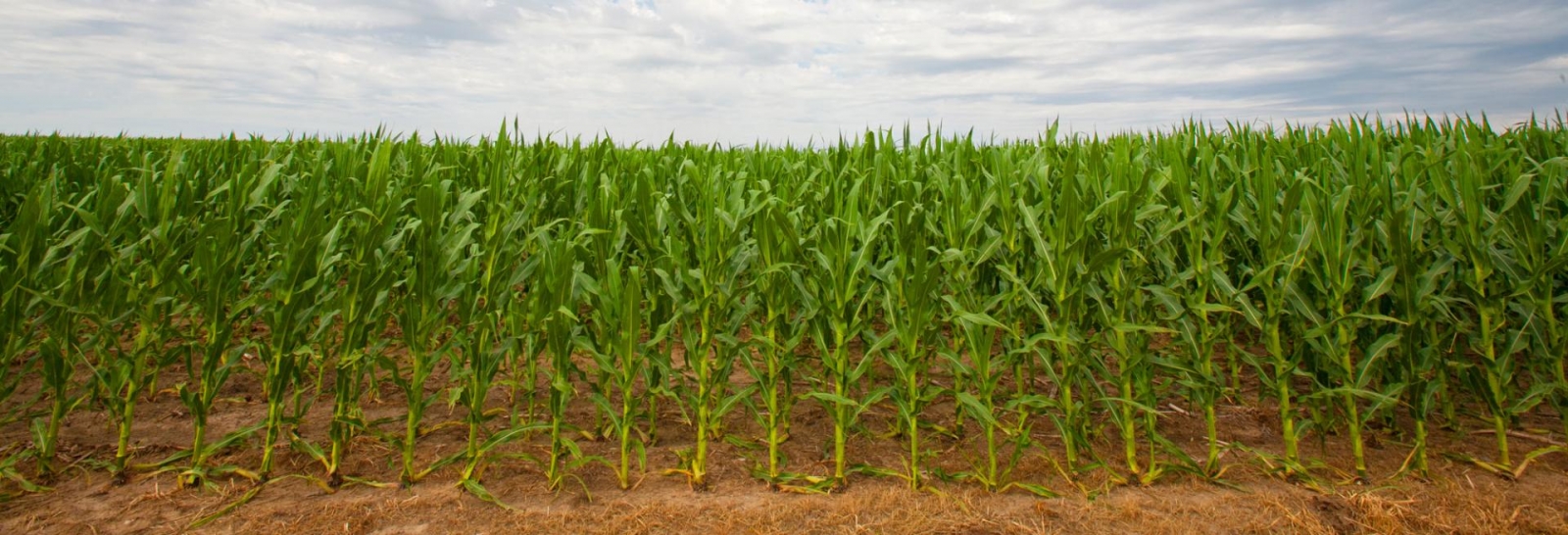
Grazing Bt Corn Residue
Corn residue is a valuable resource for grazing, but some producers believe cattle performance has declined with the rise of Bt corn hybrids. While Bt (Bacillus thuringiensis) traits protect corn against pests like corn borer, it has led some to question whether these hybrids affect the nutritional quality of corn residue. Today, let’s take a look and see.
In short, research indicates no significant difference in the digestibility of residue between Bt and non-Bt corn. Studies conducted by the University of Nebraska-Lincoln (UNL) from 2001 to 2011 compared calf gains on Bt and non-Bt residue and found no variation in performance. Similar findings were reported in Iowa State studies with beef animals and UNL studies with dairy cattle.
So why do some producers feel otherwise? One possible explanation is increased cattle size. Larger animals require more feed than smaller animals of the past, and if stocking rates have not been adjusted accordingly, cattle may not be getting enough feed.
A second impact may be the reduced plant damage Bt corn from pests. Paired with more efficient harvesting methods, less grain may be left behind in the field for cattle to forage. This could lead to the perception of lower performance.
Finally, another factor is yield. As corn yields have increased, the quality of the residue — particularly leaves and husks — may have decreased. More energy is directed toward grain production, with less for the plant itself. Since leaves and husks are the main dietary components for grazing cattle, any decline in their quality can make it harder for cattle to meet their nutritional needs.
While Bt traits do not directly affect corn residue’s quality for grazing, secondary factors like animal size, less grain on the ground, and the impact of higher yields on residue quality must be considered. Effective grazing management is critical — especially for high-yielding fields — to ensure cattle are adequately fed.