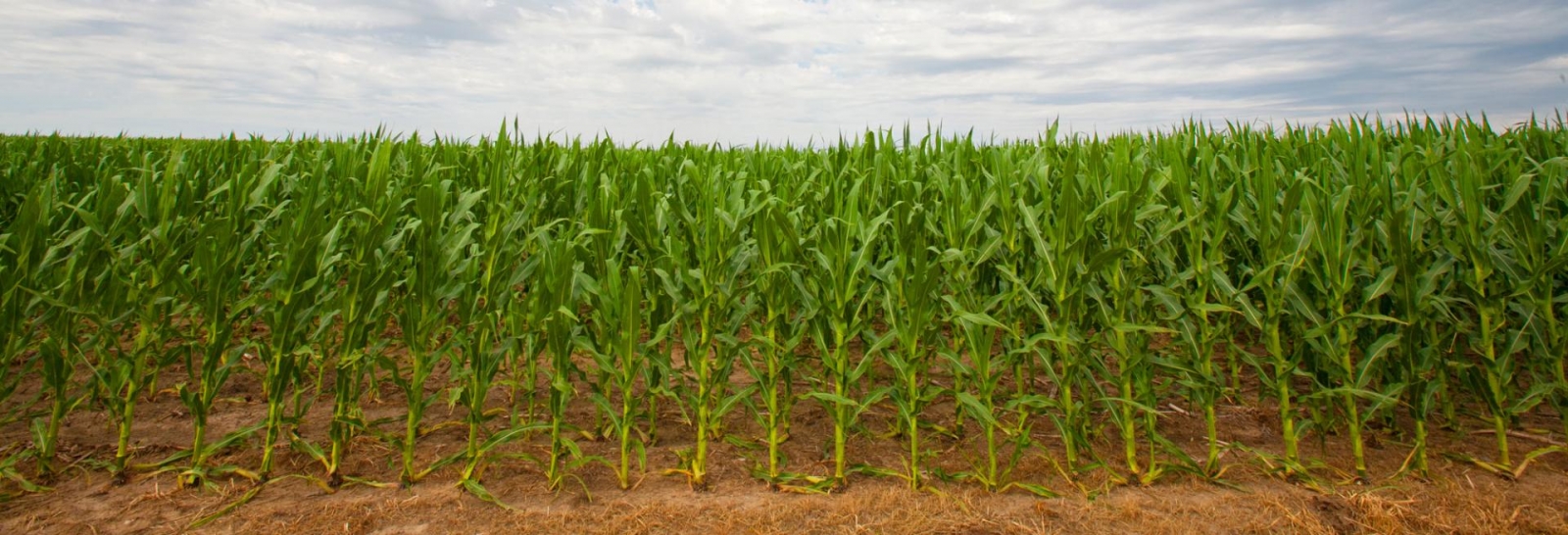
The corn disease tar spot (Figure 1a and 1b), caused by the fungus Phyllachora maydis, continued its westward spread across Nebraska in 2026. Recent confirmations in southwest Nebraska include three counties bordering Colorado — Perkins, Chase and Dundy — bringing the total to more than 70 of Nebraska’s 93 counties. You can track the latest reports on the Crop Protection Network’s Tar Spot Distribution Map (Figure 2). If you suspect tar spot in a county where it hasn't yet been confirmed, we encourage you to submit samples to the UNL Plant and Pest Diagnostic Clinic or upload high-quality images to the Crop Lookout Interactive Map.

The disease was first reported in the United States in 2015 in northern Indiana and Illinois. Since then, the fungus has spread throughout much of the Corn Belt. In 2018 and 2021, severe outbreaks were documented to cause yield losses of up to 50-60 bushels per acre in susceptible hybrids under highly favorable conditions.

Disease Identification and Development
Tar spot can be identified by black spots on corn leaves that cannot be washed or scrubbed off. These fungal structures, called “stromata,” initially appear as small, rounded specks but elongate as they grow, often becoming pointed or diamond-shaped. They may also be surrounded by a tan ring, forming what is known as a “fisheye” lesion. Stromata are buried in the leaf tissue where they’ll eventually be visible on both sides of the leaf.
These structures can produce two types of spores that spread to other plants and fields through wind and splashing water. The fungus overwinters in fields, where the disease can develop again when conditions become favorable.
Tar spot can develop as early as the V5-V6 vegetative growth stages, with disease severity increasing later in the season when favorable conditions return. Severe infections during grain fill pose the greatest risk of yield loss.
Cool, wet conditions favor tar spot development. The fungus thrives at temperatures between 60°F and 73°F, even when these conditions occur only briefly overnight or under irrigation. High relative humidity in the corn canopy (greater than 75%) and extended periods of leaf wetness (seven or more hours) also favor disease development. Overhead irrigation can therefore increase the risk of severe tar spot, particularly in center-pivot-irrigated fields.
You can use the Crop Risk Tool to monitor disease forecasts for tar spot and other corn diseases and identify periods when weather conditions may favor disease development in your area during the growing season.
Tar Spot Spread and Potential Impacts
Tar spot became more severe in many central and southern Nebraska fields during August and September as conditions grew more favorable for disease development. In some fields, this was the second or third consecutive year of tar spot, allowing the fungus to build up substantially. Fields with a history of severe tar spot may be at greater risk of severe disease in subsequent years when conditions are favorable, particularly when frequent irrigation is needed.
Conditions during late summer and fall 2026 favored further disease development and the spread of fungal spores into new areas. Increased easterly winds accelerated the westward movement of tar spot into southwest Nebraska (Figures 3a and 3b).

The presence of tar spot doesn't necessarily mean a field will experience yield loss. Disease severity, timing of infection and hybrid susceptibility are important factors in determining its potential impact.
One of the most significant impacts of severe tar spot is the rapid loss of healthy leaf area, which can lead to stalk cannibalization. This weakens stalks and increases the risk of lodging.
In addition, tar spot can accelerate plant drydown, meaning producers may need to chop silage or harvest high-moisture corn earlier than expected to reach their target moisture levels.
Tar Spot Management
If tar spot has been confirmed in your field or area, its presence doesn't necessarily mean severe disease or yield loss will follow. In eastern states and other parts of Nebraska, fungal populations built up over two to five years before substantial disease development occurred.
Disease severity depends on many factors. Corn hybrids vary significantly in their susceptibility to tar spot. Selecting hybrids with greater resistance is an effective way to reduce disease severity and potentially limit the need for fungicide applications.
Fungicides may not be necessary every year to manage tar spot, but they can be an effective tool during the cropping season. Application timing and coverage are important for protecting yield in fields where disease is becoming severe, particularly protecting corn grain-fill stages.
Multi-state fungicide trial results targeting tar spot are also available on the Crop Protection network and additional resources, including a foliar fungicide efficacy table (also available in the Nebraska Extension NebGuide EC130, “Guide for Weed, Disease, and Insect Management in Nebraska”).
Based on these results, fungicides containing active ingredients from multiple fungicide classes (with different modes of action) were the most effective. Applications were most likely to provide positive economic returns when made between VT (tasseling) and R3 (milk), and sometimes as late as R4 (dough), provided tar spot severity on the ear leaf had not exceeded approximately 6%.
If you need assistance identifying tar spot or another crop disease, submit a sample to the UNL Plant and Pest Diagnostic Clinic or contact your local Nebraska Extension office.