Fungal Diseases and Corn Residue
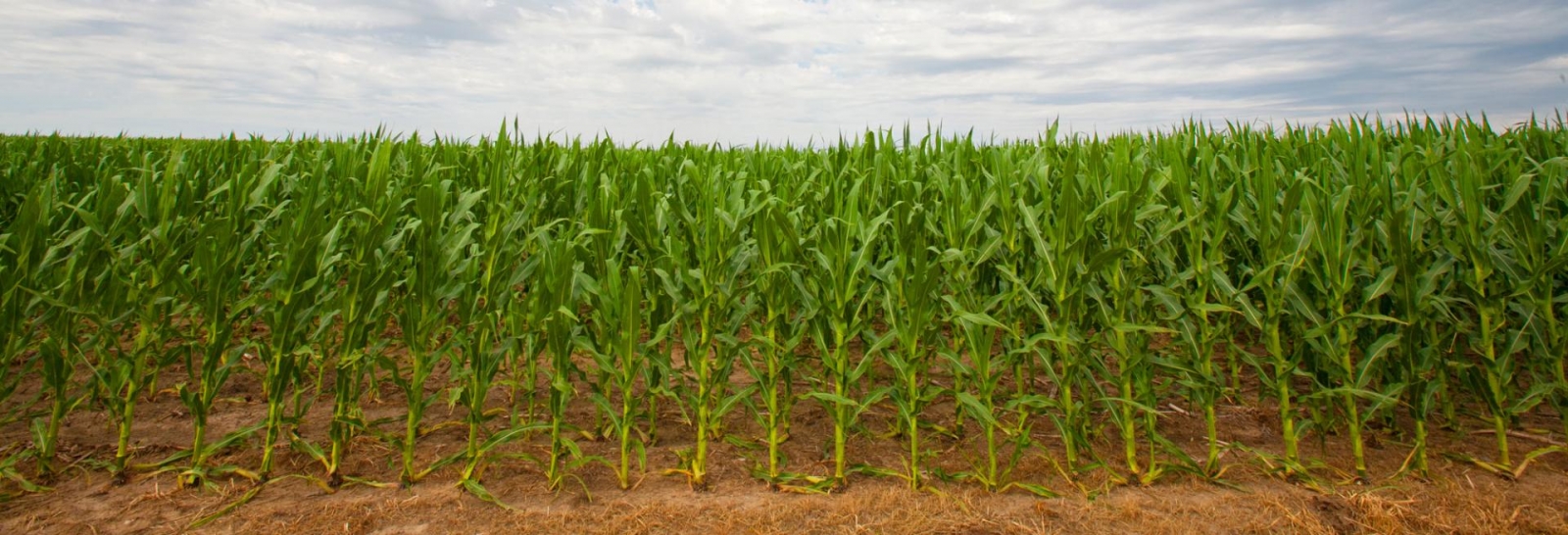
Fungal diseases have made noticeable impacts on corn fields in Nebraska this year. As these fields open for grazing following harvest, many are wondering if disease pressure affects how we manage livestock on those acres.
Diseases like tar spot, southern rust and other fungal leaf diseases create lesions on corn leaves, weakening the plant in the process. Severe infections can cause leaves to senesce earlier, limiting photosynthesis and reducing the amount of leaf material left after harvest. Stalk rots can also weaken plants, increasing the potential for lodging.
So, what does this mean for grazing residue? Overall residue quality may be somewhat lower, but the bigger concern is that there may simply be less leaf material left. Along with husks, leaves are the primary component of residue-based diets. Their loss, therefore, can indirectly lower overall residue feed value. In addition, earlier senescence and existing tissue damage may allow corn leaves to weather and decompose faster than normal — shortening the window of quality grazing even further.
Stalk rots can also increase harvest losses from lodged corn, potentially leaving more ears or grain in the field. This is something to watch for when turning cattle out to graze, especially if excess grain is enough to cause acidosis.
Fungal diseases may not cause large direct changes to corn residue quality, but they can reduce the amount of desirable material available. Monitoring residue condition and adjusting stocking rates or grazing duration accordingly can help make the most of affected fields while maintaining livestock performance.
Soybean Residue for Forage
Bean fields are opening up after harvest and cows may be moving in to get them off pasture when other forage options are unavailable. Soybean residue or stubble can occasionally be baled and used in rations. Before we use it, however, we need to set expectations. Is soybean residue a quality forage?
Soybean is very high in protein and fat — about 40% crude protein and about 20% fat — which is why soybean residue can be perceived as great feed. With such a high fat content, too many beans can cause issues with the rumen, so any spilled piles should be cleaned up before animals are sent out to graze.
Soybean residue, however, has a much different feed composition. The empty pods and stems contain only 4–6% CP and the TDN is only 35–45%. The leaves are slightly higher in protein at 12% but break down quickly after plants reach maturity and harvest has taken place.
These feed values will not begin to support the nutritional requirements of a dry cow, even if there is some grain left in the field. So, while soybean residue can be grazed and used to move animals from overused pasture, supplemental feed is required.
When baled, soybean residue can be worked into a ration as a roughage source if other sources are less available. Just like grazing, baled soybean residue does not even come close to providing the feed value of cornstalk bales. Producers should also consider whether removing litter from already lightly-covered bean fields is worth the effort and potential erosion risks.
Soybean residue may not be the quality we often think. Residue alone will not even meet a dry cow’s nutrient requirements, so supplementation will be needed.