Grain Sorghum Residue Grazing
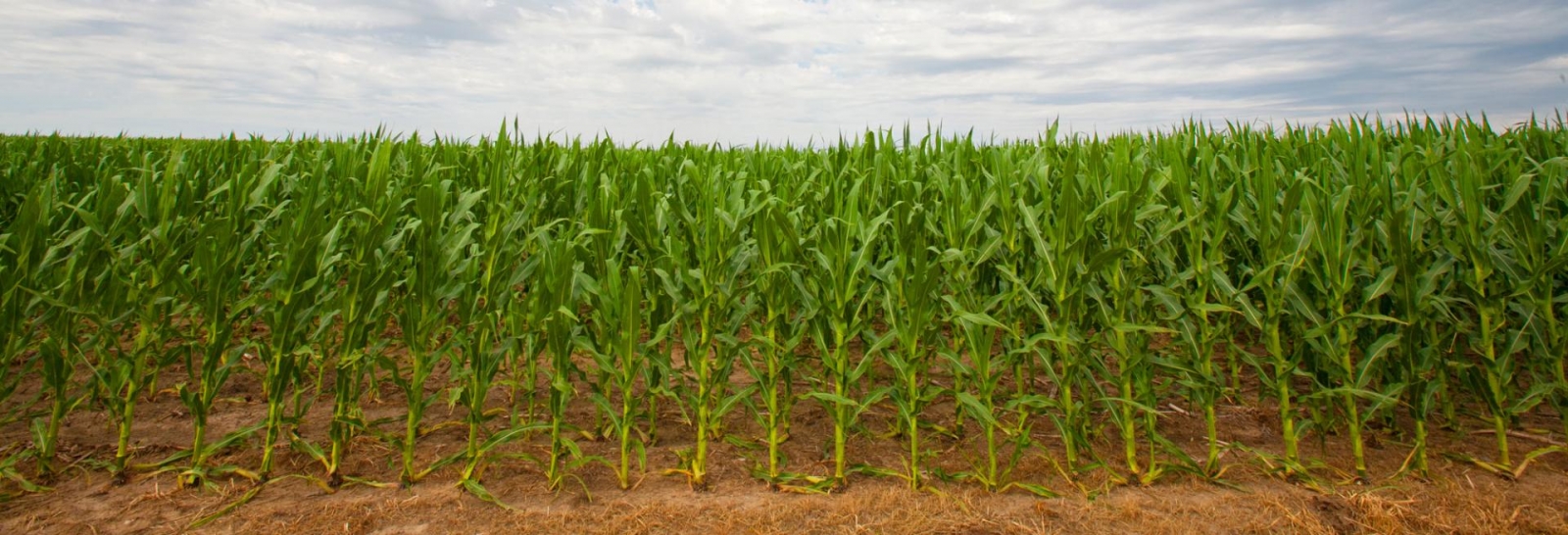
Following grain harvest, sorghum residue can provide a valuable source of fall and winter grazing, particularly for cows in mid- to late gestation.
Sorghum residue will have similar feed value to corn stover and just like corn, sorghum leaves provide the highest quality grazing. However, sorghum stems tend to be slightly more digestible, and its leaves stay attached longer into winter. This makes grazing corn residue first and saving sorghum for later a good option. However, quality still declines over time, and drought stress or disease pressure can reduce it further.
Grain yield provides a starting point for stocking rates. A field yielding 100 bushels per acre may provide about one month of grazing per acre for a 1,200-pound dry cow. Adjust for larger cows and actual forage available.
There are two concerns to keep in mind. First is prussic acid. If sorghum is still green when frost occurs, wait at least seven days after a killing freeze before grazing. Be especially cautious of new regrowth following a light frost.
Second is nitrate accumulation, particularly in drought-stressed plants. Nitrates concentrate in the lower stalks, so avoid forcing cattle to clean up the field. Consider testing questionable residue before grazing.
As grazing continues, be sure to monitor body condition. Forage quality declines as cattle consume the higher-value residue, so be ready to move or use a strategy like strip grazing to maintain animal condition while best utilizing the resource.
Late Fall Rye Planting
When planted early, fall-planted cereal rye can provide excellent late-fall grazing, with more grazing again in the spring. But if corn or soybean harvest delays planting until late October or November, is it too late?
Not necessarily. Cereal rye is our most winter-hardy small grain, and even late plantings can establish and resume growth next spring. However, don't expect much fall grazing. Most of the forage will come next year.
University of Nebraska research at Concord, Mead and Clay Center found that late-planted rye can still produce spring growth. But in eastern and northeast Nebraska, rye drilled after harvest produced roughly half as much biomass as earlier plantings. And much of that growth didn't come until late April or early May.
If spring grazing is your goal, planting as soon as possible is important. Drill seed for good seed-to-soil contact and consider increasing seeding rates to compensate for reduced fall tillering.
Finally, have a plan for spring grazing and termination. Waiting longer provides more forage but may interfere with planting the next crop or use soil moisture. Be sure to check herbicide grazing restrictions as well.
Soybean residue may not be the quality we often think. Residue alone will not even meet a dry cow’s nutrient requirements, so supplementation will be need.