Key Takeaways
Limited research calls for caution: Research data is lacking, so proceed with caution.
Confirm organic certification requirements:Verify with your organic certifier to make sure the practice is allowed.
Irrigation is essential for success: Irrigation is a must-have in most years and most areas of Nebraska.
Stand quality is critical for weed suppression: Start with a weed-free, uniform alfalfa stand.
Successful planting requires specialized equipment: A row stalker is essential equipment to remove alfalfa from the rows where corn will be planted.
Yield trade-offs are likely: Expect some yield reduction in corn.
An innovative management practice has generated considerable interest among organic and regenerative farmers in Nebraska: growing corn in living alfalfa. Clear Frontier Agronomist Ben Miller has experimented with this system for over 10 years, gathering valuable information with different equipment, weather conditions and rotational sequences, and has helped other growers implement the practice on several thousand acres of mostly certified organic and irrigated land.
Producers have many questions about competition between corn and alfalfa, yields and the best management practices; however, there is no current replicated, peer-reviewed research into this system. Here, we compiled field observations to provide an overview of the practice.
Given the lack of formal data, we advise those who are interested in this practice to start small and consider participating in on-farm trials with Nebraska Extension to gain experience and obtain farm-specific data.
Potential Benefits of Growing Corn in Living Alfalfa
Organic corn growers’ biggest challenges are usually weeds. Organic farmers rely heavily on tillage to control weeds, often making two to three tillage passes over their fields before they plant corn, followed by two to three more passes with a cultivator or rotary hoe to kill weeds during corn’s early growth stages. Tillage is labor and fuel-intensive, and depending on how deep and frequently it is done, can also lead to soil erosion, compaction and reduced soil health. For these reasons, many organic farmers and researchers are looking for ways to reduce tillage and find other methods to suppress weeds.
How It All Started
In 2008, Ben Miller’s crew was terminating alfalfa stands in preparation for corn planting but forgot to plow one area of the alfalfa field. They planted corn in the whole field and never killed the alfalfa. At harvest, the area where both corn and alfalfa were growing together yielded about the same as the corn planted in the fully tilled ground beside it. Since then, Miller’s team has been experimenting with this practice, expanding it to currently about 3,000 acres and refining their management.
How the System Works — Alfalfa Management
A long-term approach works best here, as the alfalfa will be in the field for several years. One caveat is that irrigation is a must, especially in central and western Nebraska, as both alfalfa and corn have high water requirements.
The alfalfa is always established first, at least one year but up to several years before corn planting, depending on whether it is also used as a hay crop. It is seeded at 24–26 lb/acre of VNS (variety not stated) alfalfa or 2–3 lb/acre above the grower’s usual alfalfa hay seeding rate. Alfalfa can be established in several ways, but Miller’s preferred method is drilling it around April 1 into winter wheat, before winter wheat starts jointing. The wheat canopy suppresses weed emergence but allows enough light for alfalfa seedlings. Alfalfa grows slowly and does not compete with the winter wheat, which can be harvested for forage or grain without any negative impact from the alfalfa. Underseeding alfalfa or similar legumes into winter wheat is a successful establishment method as UNL researchers demonstrated in previous trials.
By the time of wheat grain harvest, alfalfa is around 15–20 inches tall (see Figure 1). By August, the alfalfa can be harvested for hay once or twice (see Figure 2). If haying is not an option, alfalfa should still be mowed twice with a bar mower for weed control and a more vigorous alfalfa stand.
The following spring, corn can be planted into the alfalfa stand. Farmers differ on whether to harvest the alfalfa before corn planting. In most years, cutting the alfalfa has been observed to reduce its ability to smother weeds. However, in years when weeds begin growing before alfalfa greens up or when alfalfa blooms late, an early cutting has been beneficial.


How the System Works — Preparing for the Corn Crop
Miller applies feedlot manure at the equivalent of 40–60 pounds of nitrogen (N) to the alfalfa in the fall or spring before corn planting. This is less than Miller’s team’s normal manure application rate for corn as the alfalfa also supplies some N; however, the amount of N that can be credited to alfalfa is not known.
Scout the alfalfa stand for weeds in the spring. If the stand has high weed pressure, it is not advisable to plant corn into it. The alfalfa stand must be as clean as possible as there are few management options to kill weeds once corn is planted.
It is essential to remove alfalfa from the rows where corn will be planted to minimize competition from the alfalfa. Miller first tried a cultivator, then sweeps on a strip-till unit, but found they did not effectively kill the alfalfa. He obtained the best results with a row stalker or stalk puller, which he now recommends as the tool of choice for this system (see Figure 3).
Row Stalking: Equipment and Timing
When operating a row stalker in alfalfa, its two large disks pinch the alfalfa crowns 0.5–0.75 inches above the soil surface and lift them out, rather than cutting them off. This clears a strip about 4–6 inches wide and 2 inches deep. Pulling the deep taproots fractures hard soil layers, relieves compaction and prepares a good seedbed.
The timing for row stalking must be right to ensure the alfalfa will not regrow. It works best to pull the alfalfa when the first buds appear, which is usually during the first two weeks of May in central Nebraska. If this window is missed, alfalfa regrowth may overpower the corn. Alfalfa water uptake in a dry spring can deplete soil moisture levels, making it harder to pull alfalfa roots. In those conditions, it may be advisable to irrigate, starting about 2–3 weeks before using the row stalker.


How the System Works — The Corn Year(s)
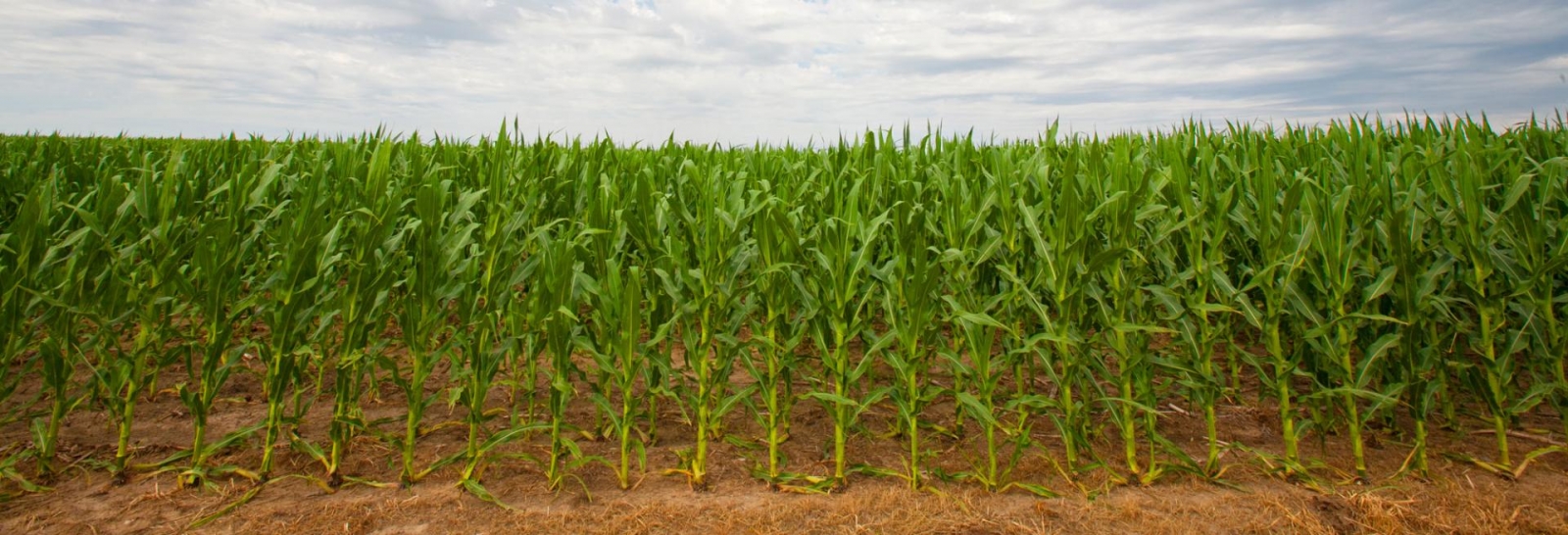
Corn is planted in 30-inch rows at 32,000–35,000 seeds/acre, similar to the population in organic fields without alfalfa (see Figure 5). Choosing a high-flex ear may be beneficial because it can adapt to more competitive conditions in the field. Corn can be planted immediately after stalking rows. Soil moisture should be regularly monitored as this system may need considerably more irrigation than corn planted alone, whether tilled or not. No other management is typically carried out as weeds are suppressed by alfalfa.
What about competition between alfalfa and corn? Does alfalfa also suppress the corn? Miller experimented with cutting alfalfa, tine weeding or flaming it to make it less aggressive but, in many situations, doing nothing was just as effective. However, in situations where alfalfa may outcompete corn, flaming or other management options could pay off. Providing corn with favorable growing conditions — including a weed- and alfalfa-free planting row, adequate irrigation and preplant manure — promotes vigorous corn growth and canopy closure (see Figure 6).
Once the corn canopy closes, alfalfa starts to go dormant. From mid-July to corn leaf drop, it can look dead, but it will regrow as corn starts to dry down in the fall. If a poor corn stand, hail damage or wind damage prevents the corn canopy from closing, alfalfa may green up quickly and compete with corn for water and nutrients, which can lead to smaller ears and yield reductions. However, maintaining alfalfa may still be more beneficial than leaving bare ground vulnerable to weed infestations in that situation.
Corn Yield and Profitability
The big question, of course, is how much corn the system will produce. Corn yields have been quite variable — in 2025, yields from 15 irrigated organic fields totaling 2,091 acres ranged from 40 to 214 bu/acre, for an acre-weighted average of 128 bu/acre. Corn also tends to mature later in this system, delaying harvest.
Over the years, Miller and his team observed the lowest corn yields in thin corn stands, mixed hay stands such as alfalfa-timothy, and dry ground. While yields of corn planted into living alfalfa tend to be lower than those of corn planted by itself, profitability can be greater as farmers make fewer passes across the field for weed control, use less diesel and apply less fertilizer.

Additional income may be generated from grazing the alfalfa after corn harvest, cattle producers may find the combination of alfalfa and cornstalks a valuable feed source.
If not grazing, raking and baling cornstalks and residue is recommended to ensure sunlight reaches the alfalfa canopy. When grazing or baling residue, avoid damaging the alfalfa and manage the field consistently to maintain an even stand.
The crop rotation in this system is flexible (see Figure 8). As the alfalfa regrows, assess its vigor and weed pressure. The following year, plant corn only if the alfalfa stand remains weed-free and uniform. In general, Miller does not plant corn into alfalfa for more than three consecutive years, as weeds become more prevalent and corn yields decrease with each additional year. Farmers have experimented with planting into older versus younger alfalfa stands; for now, it seems that quality of the stand — whether it is uniform and clear of weeds — is more important than its age. From Miller’s experience, proximity to a good hay market will influence whether producers plant corn into the alfalfa or cut it for hay.
University of Nebraska researchers and Clear Frontier team members are exploring opportunities to test the system under more controlled conditions, collect data and compare different management methods. We are especially interested in corn hybrids, seeding rates, and row spacing best suited for this system, and how to better manage weeds and alfalfa to reduce competition with corn. Farmers wishing to test this system in on-farm trials can contact the authors.

References
- Koehler-Cole, K., Brandle, J., Shapiro, C., Francis, C. Undersowing red clover into winter wheat as an N source for corn. March 11, 2020.